Addison's Disease

Addison’s disease, also known as primary adrenal insufficiency, is a rare but serious disorder where the adrenal glands fail to produce adequate levels of cortisol and aldosterone, two hormones essential for maintaining metabolism, blood pressure, and stress response. Without appropriate management, Addison’s disease can lead to severe health complications, including an adrenal crisis, which is a life-threatening emergency.
What Causes Addison’s Disease?
The condition occurs when the adrenal glands are damaged and unable to function properly. Common causes include:
- Autoimmune disorders (most common) – The body’s immune system mistakenly attacks the adrenal glands, destroying hormone-producing cells.
- Tuberculosis (TB) – An infection that can damage the adrenal glands.
- Fungal infections – Such as histoplasmosis, which can affect adrenal function.
- Adrenal hemorrhage or bleeding – Seen in severe infections or clotting disorders.
- Genetic conditions – Certain inherited disorders affect adrenal gland development and function.
- Long-term corticosteroid use – A sudden withdrawal of steroid medications can trigger adrenal insufficiency.
Signs and Symptoms of Addison’s Disease
Because Addison’s disease progresses slowly, symptoms may go unnoticed until a significant hormonal imbalance occurs. Common symptoms include:
- Chronic fatigue and muscle weakness
- Unintentional weight loss and reduced appetite
- Low blood pressure and dizziness
- Darkened skin (hyperpigmentation), especially on scars, joints, and skin folds
- Craving for salty foods (due to sodium loss)
- Nausea, vomiting, and abdominal pain
- Low blood glucose (hypoglycaemia), causing irritability and fainting episodes
- Joint and muscle pain
- Depression, mood swings, or anxiety
Diagnosing Addison’s Disease
To accurately diagnose Addison’s disease, Dr Kochhar employs a range of advanced diagnostic tests, including:
- Blood tests – To assess cortisol, ACTH (adrenocorticotropic hormone), sodium, and potassium levels.
- ACTH stimulation test – A key test that evaluates how well the adrenal glands respond to stimulation.
- Renin and aldosterone levels – To determine if aldosterone production is impaired.
- Autoimmune antibody testing – To detect adrenal-specific autoimmune disorders.
- Imaging studies (CT or MRI scans) – To assess adrenal gland size, structure, and rule out infections or tumors.
Personalised Treatment for Addison’s Disease
Since Addison’s disease is a chronic condition, lifelong hormone replacement therapy is essential.
Hormone Replacement Therapy
- Hydrocortisone, prednisolone, or dexamethasone to restore cortisol levels.
- Adjust doses during times of stress, illness, or surgery to prevent adrenal crises.
- Fludrocortisone acetate to maintain sodium, potassium, and blood pressure balance.
Emergency Preparedness for Adrenal Crisis
An adrenal crisis is a life-threatening condition requiring immediate medical attention. Symptoms include:
- Severe dehydration and low blood pressure
- Severe vomiting and diarrhea
- Confusion and unconsciousness
To prevent adrenal crises, Dr Kochhar educates patients on stress dosing and when to seek urgent care.
Lifestyle and Long-Term Management
- Dietary modifications – Adequate salt intake, hydration, and nutrient-rich meals.
- Medical alert identification – Patients are advised to wear medical alert bracelets.
- Regular endocrinology check-ups – Ongoing monitoring to adjust medications and prevent complications.
Why Choose Dr Rupinder Kochhar for Addison’s Disease Management?
- Expertise in adrenal disorders and endocrine health
- Comprehensive hormone testing and imaging
- Personalised treatment and emergency action plans
- Ongoing monitoring and compassionate patient care

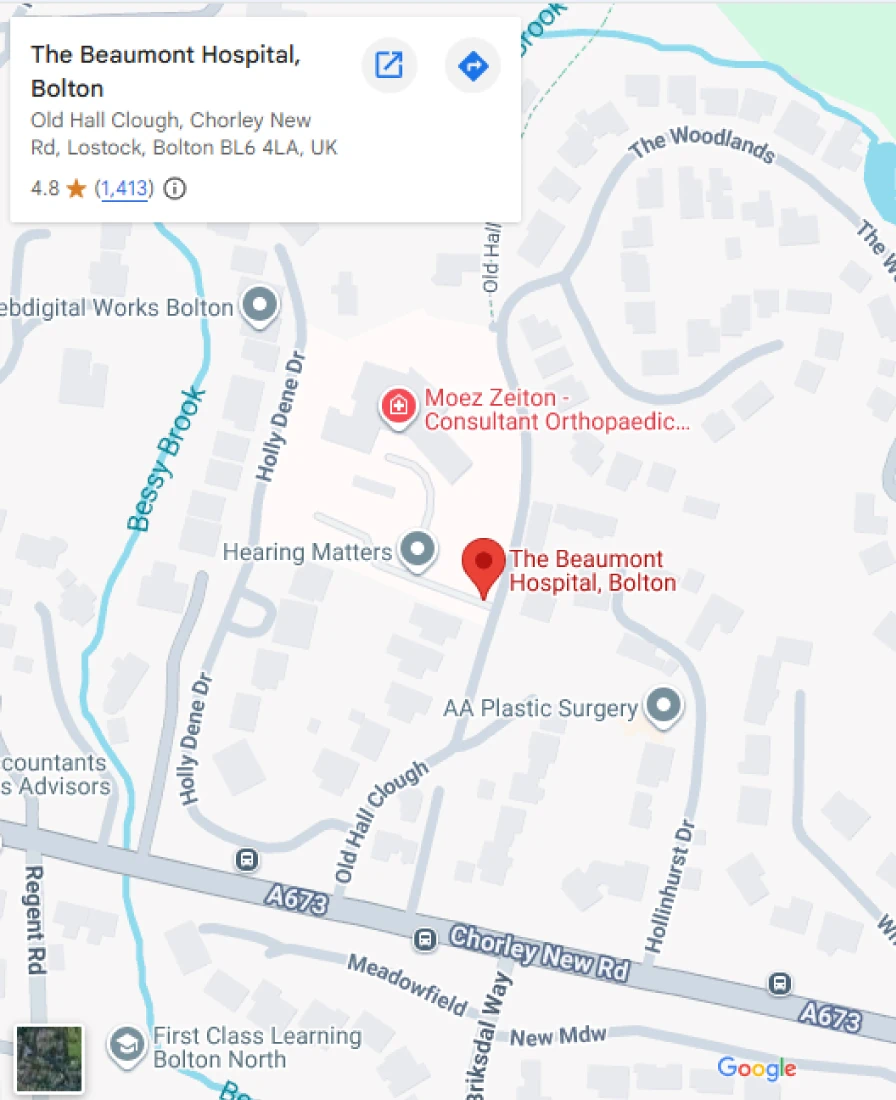
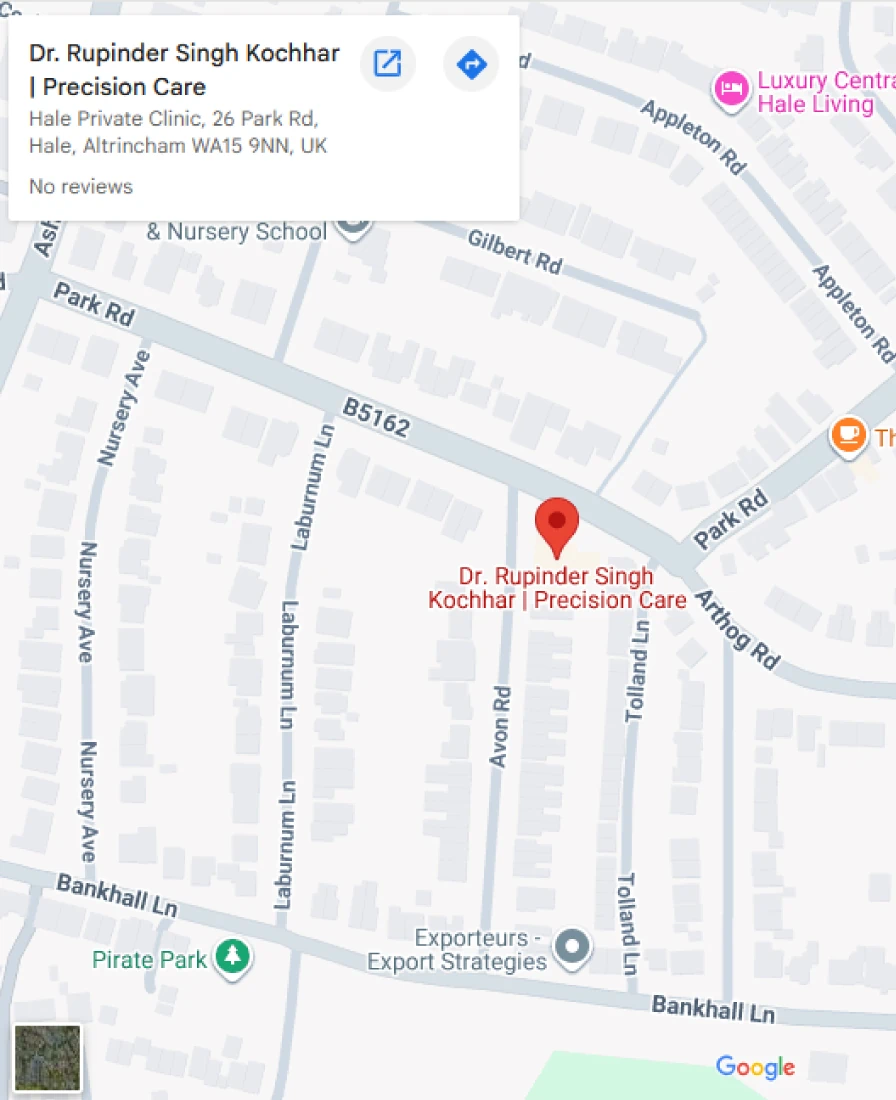
Find Us Here
Trusted specialists dedicated to your long-term health.
Your Care Journey Begins Here


The Beaumont Hospital, Old Hall Clough, Chorley New Rd, Lostock, Bolton BL6 4LA, United Kingdom
Phone No: +44 1204404404
Timings:
Saturday: 8:30 AM - 12:30 PM
Hale Private Clinic, 26 Park Rd, Hale, Altrincham WA15 9NN, United Kingdom
Phone: +44 1613598889
Timings:
Friday: 1:00 PM - 3:00 PM
Patients may call the general office number to schedule appointments Monday through Friday, from 9:00 AM to 6:00 PM.

Specialised support for hormonal balance and diabetes to help you thrive.

© 2026 Precision Care. All rights reserved. | Privacy Policy | Website Design by Remedo