Blood Glucose Monitoring
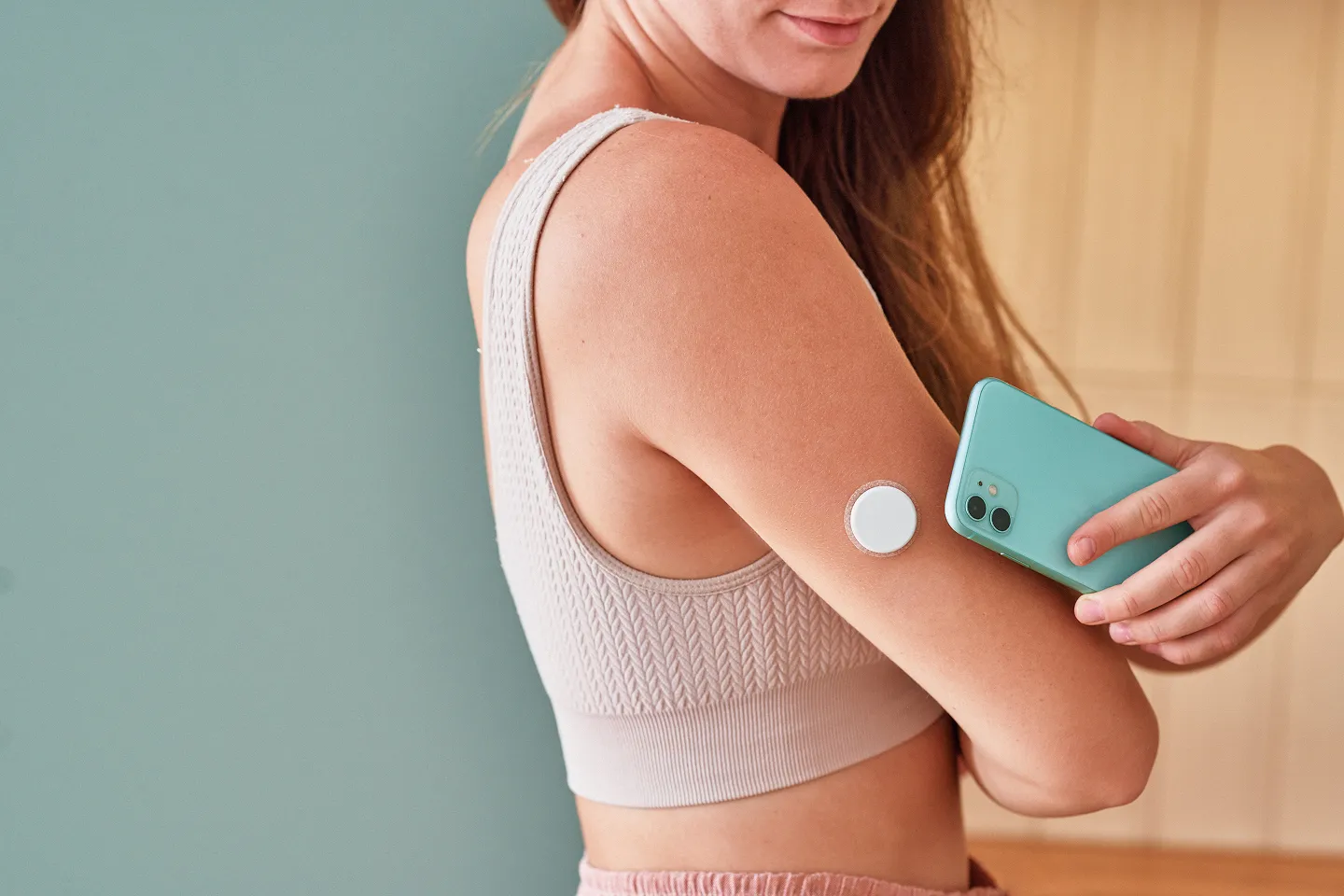
Blood glucose monitoring is essential for managing diabetes and maintaining overall health. Whether you have type 1 diabetes, type 2 diabetes, prediabetes, or simply want to track your blood glucose levels, regular monitoring can help prevent complications and improve your quality of life.
What is Blood Glucose Monitoring?
Blood glucose monitoring involves measuring the amount of glucose in the bloodstream. Glucose is the body's primary source of energy, and maintaining stable levels is crucial for overall health.
For people with diabetes, keeping blood glucose levels within a target range helps prevent complications such as nerve damage, heart disease, kidney problems, and vision loss.
Why is Blood Glucose Monitoring Important?
- Helps in Managing Diabetes: Monitoring blood glucose regularly allows adjustments to diet, medication, and physical activity to keep levels stable.
- Prevents High and Low Blood Glucose: Hyperglycaemia (high blood glucose) can cause fatigue, excessive thirst, and blurred vision, while hypoglycaemia (low blood glucose) can lead to dizziness, confusion, and even unconsciousness if untreated.
- Identifies Patterns: Tracking glucose levels over time helps identify how different factors like food, stress, and exercise affect blood glucose.
- Provides Real-Time Feedback: Frequent monitoring enables immediate adjustments to reduce the risk of severe complications.
Methods of Blood Glucose Monitoring
Finger-Prick Testing (Traditional Method)
This method uses a blood glucose meter (glucometer) and test strips. A small drop of blood from the fingertip is placed on the strip, and the meter displays the blood glucose level.
- Affordable and widely available
- Requires frequent finger pricking
- May not provide continuous data
Continuous Glucose Monitoring (CGM)
CGM devices use a small sensor inserted under the skin to measure interstitial glucose levels in real time. The sensor transmits data to a device or smartphone app, providing continuous monitoring.
- Reduces the need for finger-pricks.
- Provides real-time data and alerts for high or low blood glucose.
- More expensive and requires sensor replacement every few days.
How to Check Your Blood Glucose Levels Correctly
- Wash your hands before testing to avoid inaccurate readings.
- Use a lancet device to prick the side of your fingertip, which is less painful than the center.
- Apply the blood drop to the test strip and wait for the reading.
- Record your results in a diary or a diabetes management app for tracking.
Understanding Your Blood Glucose Readings
- Fasting (before meals): 5.0–7.0 mmol/L
- Two Hours After Meals: Less than 10.0 mmol/L
- Food Choices: Carbohydrates increase blood glucose, while fibre and protein help stabilise it.
- Physical Activity: Exercise can lower blood glucose, but intense workouts may sometimes cause spikes.
- Stress: Raises cortisol levels, leading to higher blood glucose.
- Medications: Insulin and oral diabetes drugs regulate blood glucose, while some medications can cause fluctuations.
- Illness: Infections and fevers can increase blood glucose levels.
- Sleep Patterns: Poor sleep can lead to insulin resistance and higher glucose levels.
- Check blood glucose at consistent times each day to track trends.
- Keep a log of readings along with food intake, exercise, and medications.
- Adjust diet and lifestyle by reducing sugary foods, eating balanced meals, and staying active.
- Stay hydrated to help regulate blood glucose levels.
- Consult a doctor regularly to discuss any unusual trends in readings.
Factors Affecting Blood Glucose Levels
Tips for Effective Blood Glucose Monitoring
Final Thoughts
Blood glucose monitoring is an essential part of diabetes care and overall health management. By tracking levels, making necessary lifestyle adjustments, and consulting with healthcare professionals, individuals can maintain better control over blood glucose and reduce the risk of complications.
For those with diabetes or at risk, starting a monitoring routine can be a crucial step toward better health.

Find Us Here
Trusted specialists dedicated to your long-term health.
Your Care Journey Begins Here


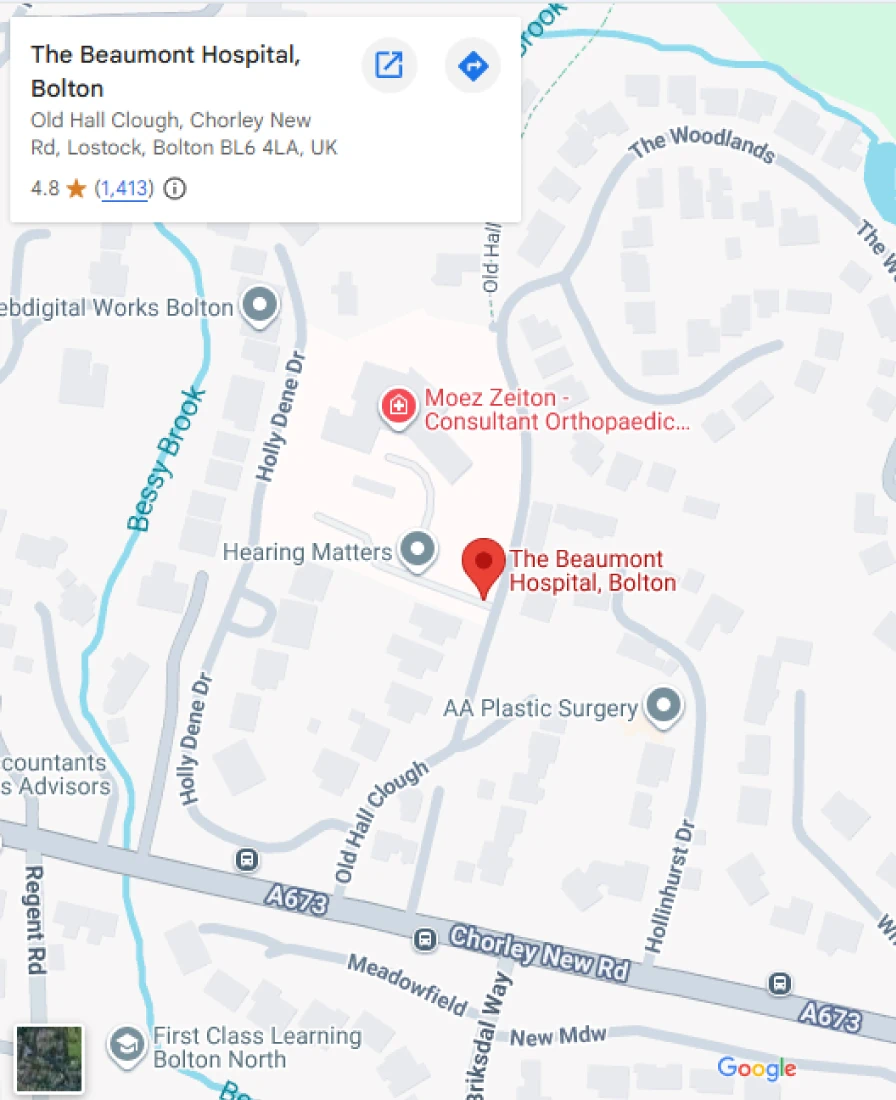
The Beaumont Hospital, Old Hall Clough, Chorley New Rd, Lostock, Bolton BL6 4LA, United Kingdom
Phone No: +44 1204404404
Timings:
Saturday: 8:30 AM - 12:30 PM
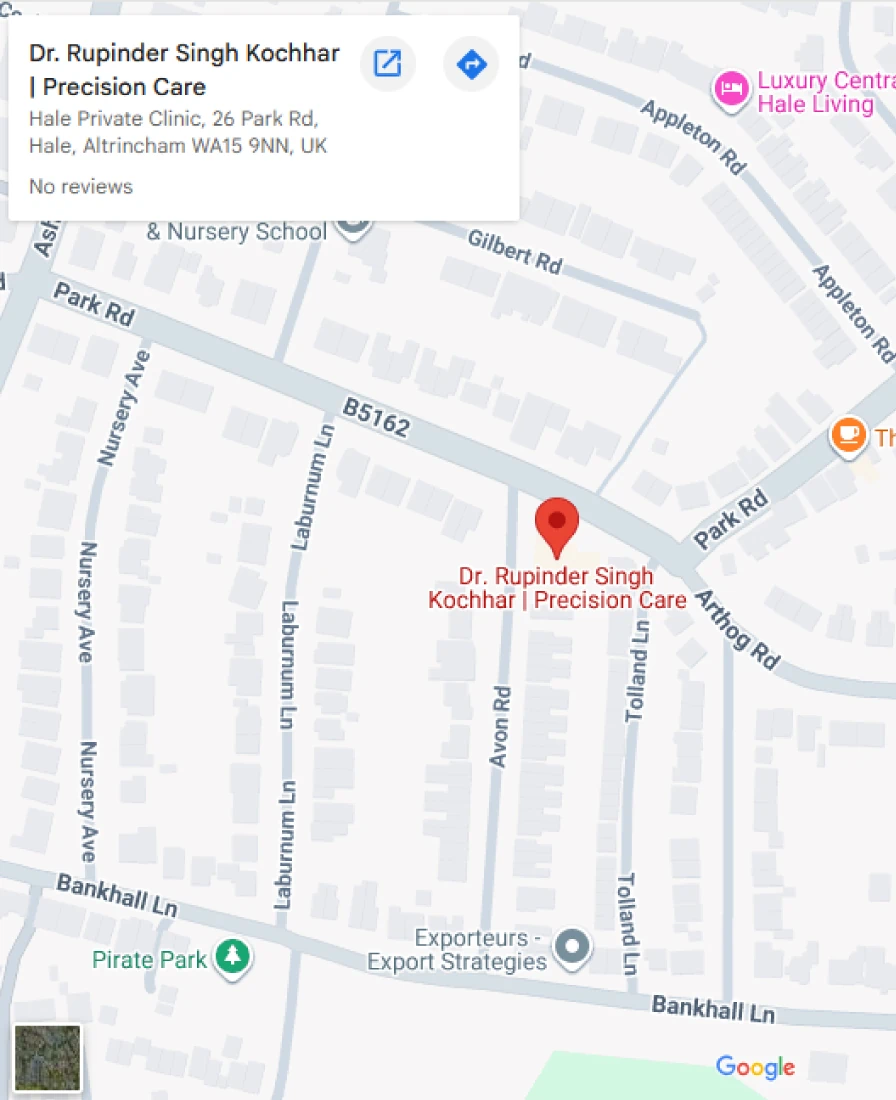
Hale Private Clinic, 26 Park Rd, Hale, Altrincham WA15 9NN, United Kingdom
Phone: +44 1613598889
Timings:
Friday: 1:00 PM - 3:00 PM
Patients may call the general office number to schedule appointments Monday through Friday, from 9:00 AM to 6:00 PM.

Specialised support for hormonal balance and diabetes to help you thrive.

© 2026 Precision Care. All rights reserved. | Privacy Policy | Website Design by Remedo