Testosterone Replacement Therapy
Testosterone is a vital hormone in men’s health, playing a crucial role in muscle mass, bone density, red blood cell production, and sexual function. As men age, testosterone levels naturally decline, sometimes leading to symptoms that affect their quality of life.Testosterone Replacement Therapy (TRT) is a treatment designed to restore testosterone levels in men with low testosterone, also known as hypogonadism.
Understanding Low Testosterone
Low testosterone, or hypogonadism, can result from aging, medical conditions, or lifestyle factors. Common symptoms include:
- Fatigue and low energy levels
- Reduced libido and erectile dysfunction
- Loss of muscle mass and increased body fat
- Depression, irritability, or mood swings
- Difficulty concentrating and memory issues
When these symptoms significantly impact daily life, TRT may be an option to consider.
Types of Testosterone Replacement Therapy
TRT can be administered in various forms, including:
- Injections – Testosterone esters administered subcutaneously every 1-3 weeks or intramuscularly every 12 weeks depending on the preparation.
- Gels and Patches – Applied daily on the skin to maintain steady testosterone levels.
The choice of TRT depends on patient preference, lifestyle, and medical advice.
Benefits of Testosterone Replacement Therapy
TRT can help alleviate symptoms of low testosterone and provide the following benefits:
- Improved Energy Levels – Many men report feeling more energetic and alert.
- Enhanced Muscle Mass and Strength – TRT can promote lean muscle growth and fat loss.
- Better Sexual Health – Increased libido and improved erectile function.
- Mood Stabilisation – Reduction in irritability, depression, and anxiety.
- Stronger Bones – Increased bone density reduces the risk of osteoporosis.
- Cognitive Benefits – Some studies suggest better memory and mental clarity.
Potential Risks and Side Effects
While TRT has many benefits, it’s essential to be aware of possible risks:
- Increased risk of blood clots and cardiovascular issues.
- Possible growth of prostate tissue, leading to urinary issues.
- Acne and skin reactions, particularly with gels or patches.
- Sleep apnea may worsen in some individuals.
- Testicular shrinkage and reduced sperm production, affecting fertility.
Regular monitoring by a healthcare professional can help manage risks and adjust treatment as needed.
Who Should Consider TRT?
TRT is ideal for men diagnosed with clinically low testosterone through blood tests and experiencing significant symptoms. However, it may not be suitable for individuals with:
- A history of prostate or breast cancer
- Severe cardiovascular disease
- Untreated sleep apnea
- Plans for future fertility
The TRT Process: What to Expect
- Initial Consultation – A doctor evaluates symptoms and orders blood tests.
- Treatment Plan – If diagnosed with low testosterone, the best TRT method is chosen.
- Monitoring and Adjustments – Regular follow-ups assess effectiveness and side effects.
- Long-Term Management – Adjustments may be made to optimise benefits and minimise risks.
Conclusion
Testosterone replacement therapy can be a life-changing treatment for men with low testosterone. However, it’s essential to weigh the benefits and risks with a healthcare provider before starting therapy. With proper medical supervision, TRT can help restore vitality, improve quality of life, and enhance overall well-being.

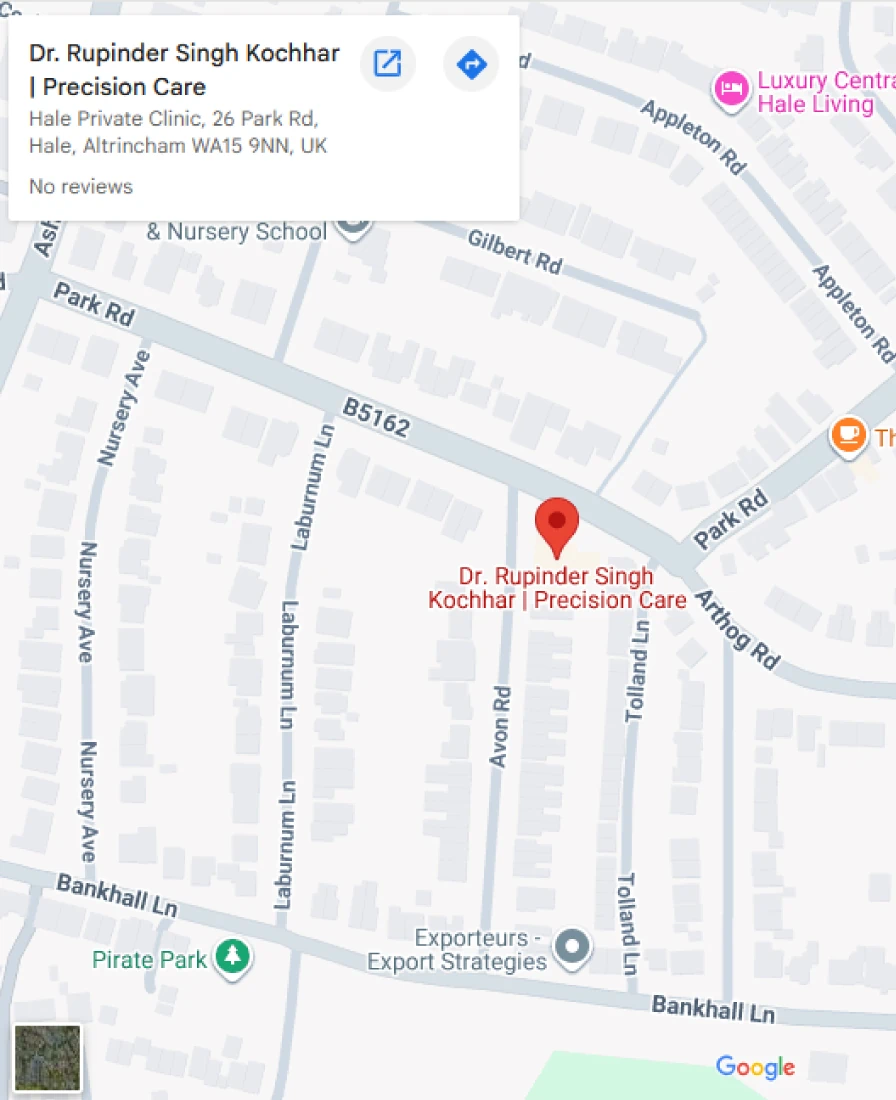
Find Us Here
Trusted specialists dedicated to your long-term health.

Your Care Journey Begins Here


The Beaumont Hospital, Old Hall Clough, Chorley New Rd, Lostock, Bolton BL6 4LA, United Kingdom
Phone No: +44 1204404404
Timings:
Saturday: 8:30 AM - 12:30 PM
Hale Private Clinic, 26 Park Rd, Hale, Altrincham WA15 9NN, United Kingdom
Phone: +44 1613598889
Timings:
Friday: 1:00 PM - 3:00 PM
Patients may call the general office number to schedule appointments Monday through Friday, from 9:00 AM to 6:00 PM.

Specialised support for hormonal balance and diabetes to help you thrive.

© 2026 Precision Care. All rights reserved. | Privacy Policy | Website Design by Remedo