Adrenal Disease
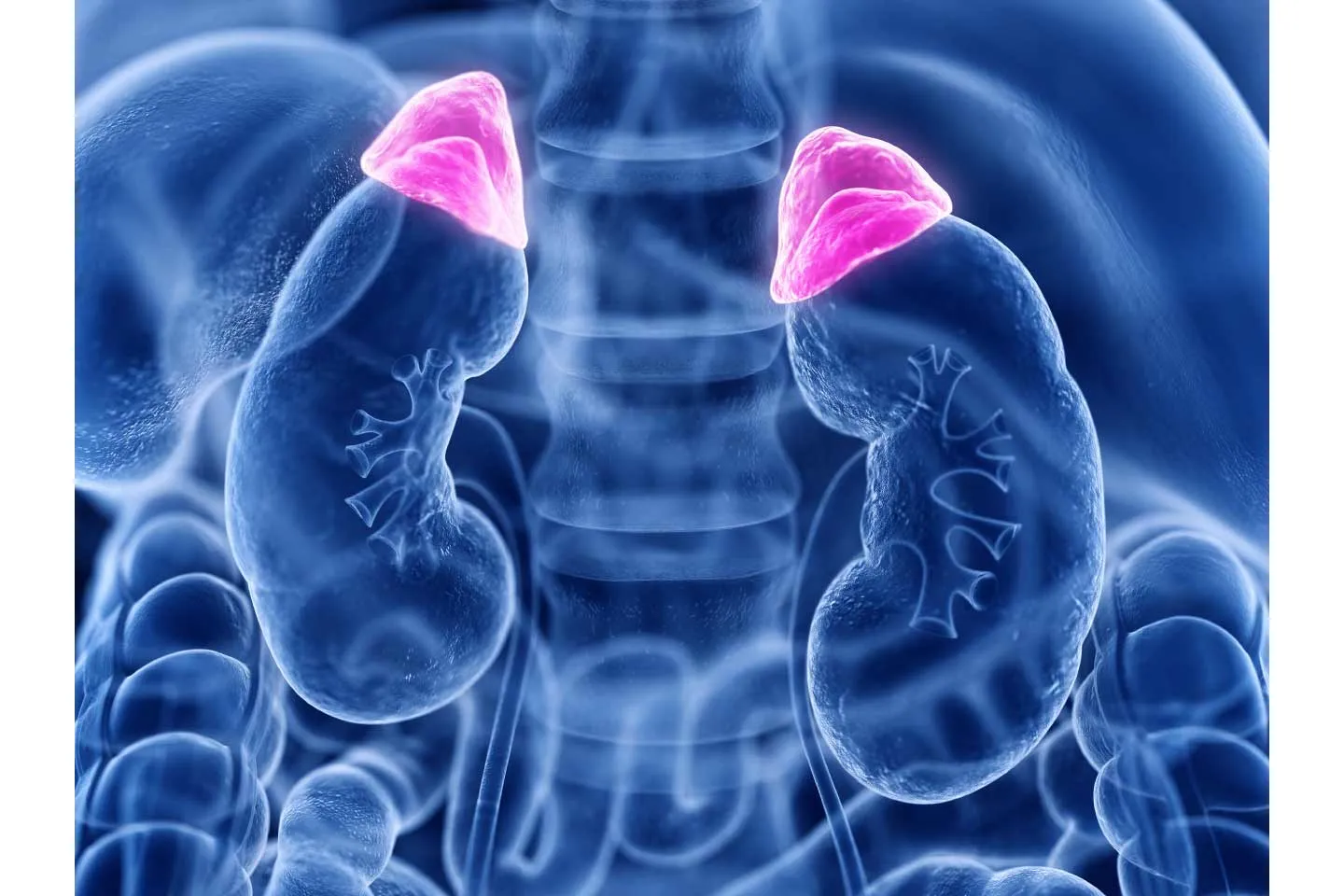
The adrenal glands are small, triangular-shaped glands located on top of the kidneys. They play a crucial role in producing hormones that regulate metabolism, immune response, blood pressure, and stress management. When the adrenal glands do not function properly, it can lead to adrenal disease, affecting overall health and well-being.
Common Adrenal Disorders
There are several types of adrenal gland disorders, including:
- Adrenal Insufficiency (Addison’s Disease): A condition where the adrenal glands do not produce enough cortisol and aldosterone, leading to fatigue, weight loss, and low blood pressure.
- Cushing’s Syndrome: Excess production of cortisol, often resulting in weight gain, high blood pressure, and muscle weakness.
- Adrenal Tumors: Benign or malignant growths that can affect hormone production and adrenal function.
- Congenital Adrenal Hyperplasia (CAH): A genetic disorder affecting cortisol and androgen production, which can impact development and metabolism.
- Pheochromocytoma: A rare tumor of the adrenal gland that can cause high blood pressure and excessive adrenaline production.
Signs and Symptoms of Adrenal Disorders
The symptoms of adrenal disease vary based on the specific disorder but may include:
- Chronic fatigue and weakness
- Unexplained weight changes
- High or low blood pressure
- Skin darkening (hyperpigmentation) in some cases
- Muscle and joint pain
- Mood swings, anxiety, or depression
- Increased thirst and urination
Potential Health Risks
If left untreated, adrenal disorders can lead to severe complications, including:
- Adrenal crisis: A life-threatening condition caused by a sudden drop in cortisol levels.
- Cardiovascular issues: High blood pressure and an increased risk of heart disease.
- Metabolic disturbances: Blood glucose imbalances, weight gain, or severe fatigue.
- Osteoporosis: Weak bones due to prolonged cortisol excess or deficiency.
Diagnostic Approach
At Precision Care: Endocrinology & Diabetes, we use advanced diagnostic tools to assess adrenal function, including:
- Blood tests to measure cortisol, aldosterone, and adrenal hormone levels.
- ACTH stimulation test to evaluate adrenal insufficiency.
- 24-hour urine tests to assess hormone over-production.
- Dexamethasone suppression test to check for overproduction of cortisol.
- Plasma Metanephrines: to measure adrenaline and noradrenaline levels.
- Imaging studies (CT/MRI scans) to detect adrenal tumors or abnormalities.
Why Choose Us?
At Precision Care: Endocrinology & Diabetes, we offer:
- Comprehensive evaluation of adrenal health
- Cutting-edge diagnostic tools for accurate assessments
- A patient-focused approach to managing adrenal disorders
- Ongoing support to optimise hormonal balance and well-being
If you experience symptoms of adrenal disease, early diagnosis and management are key to maintaining good health. Contact us today to schedule a consultation.

Find Us Here
Trusted specialists dedicated to your long-term health.
Your Care Journey Begins Here


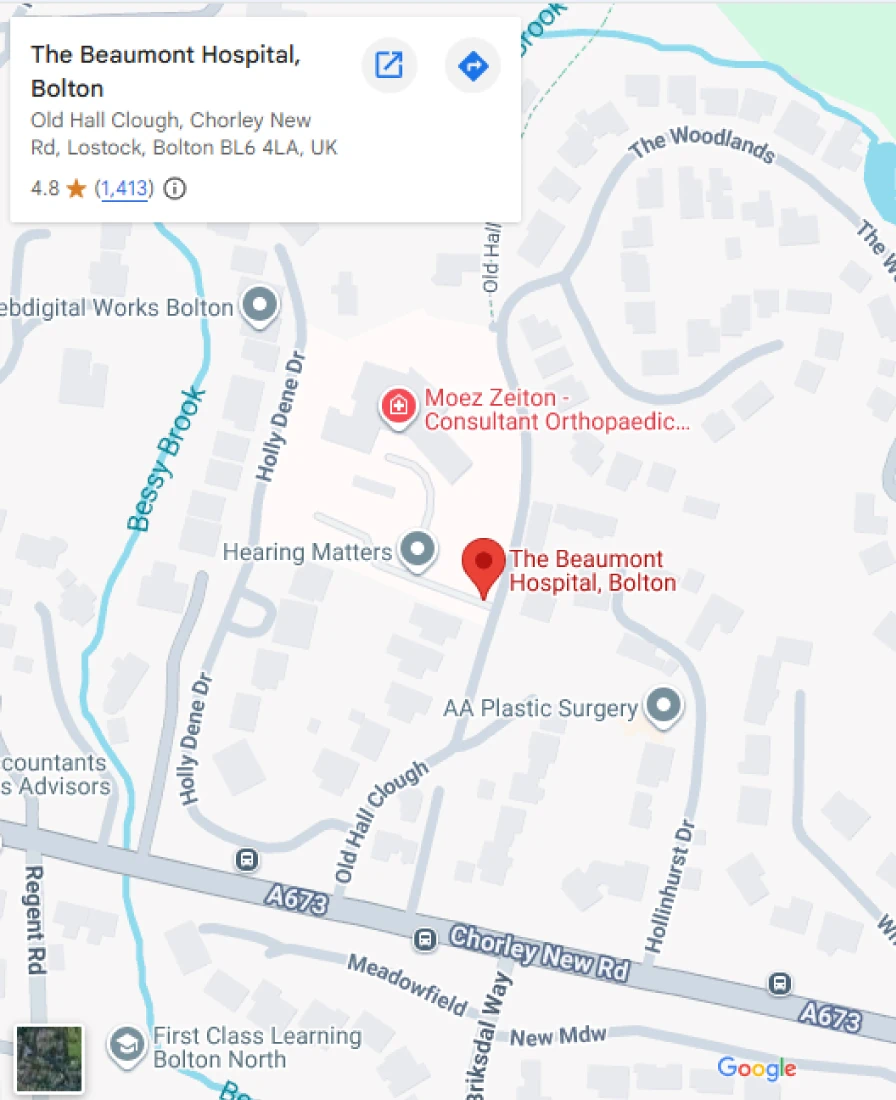
The Beaumont Hospital, Old Hall Clough, Chorley New Rd, Lostock, Bolton BL6 4LA, United Kingdom
Phone No: +44 1204404404
Timings:
Saturday: 8:30 AM - 12:30 PM
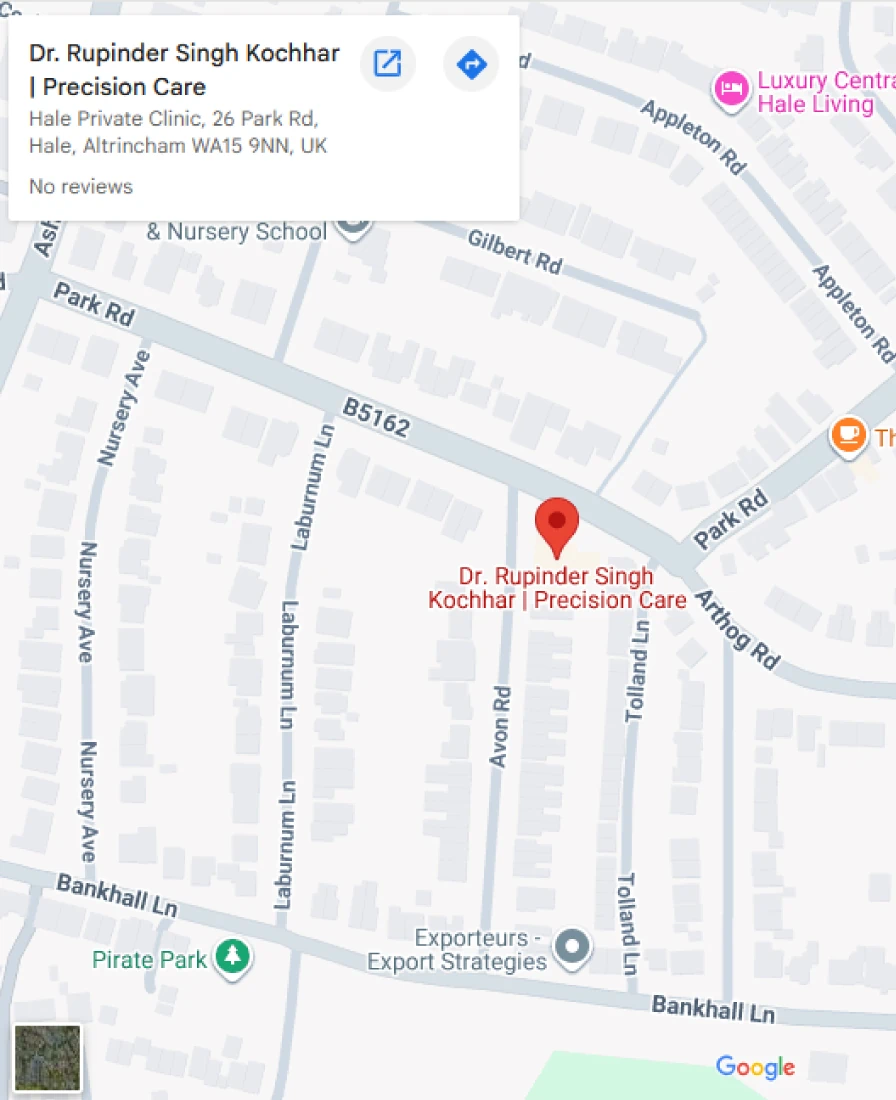
Hale Private Clinic, 26 Park Rd, Hale, Altrincham WA15 9NN, United Kingdom
Phone: +44 1613598889
Timings:
Friday: 1:00 PM - 3:00 PM
Patients may call the general office number to schedule appointments Monday through Friday, from 9:00 AM to 6:00 PM.

Specialised support for hormonal balance and diabetes to help you thrive.

© 2026 Precision Care. All rights reserved. | Privacy Policy | Website Design by Remedo