Disorders of Bone Metabolism
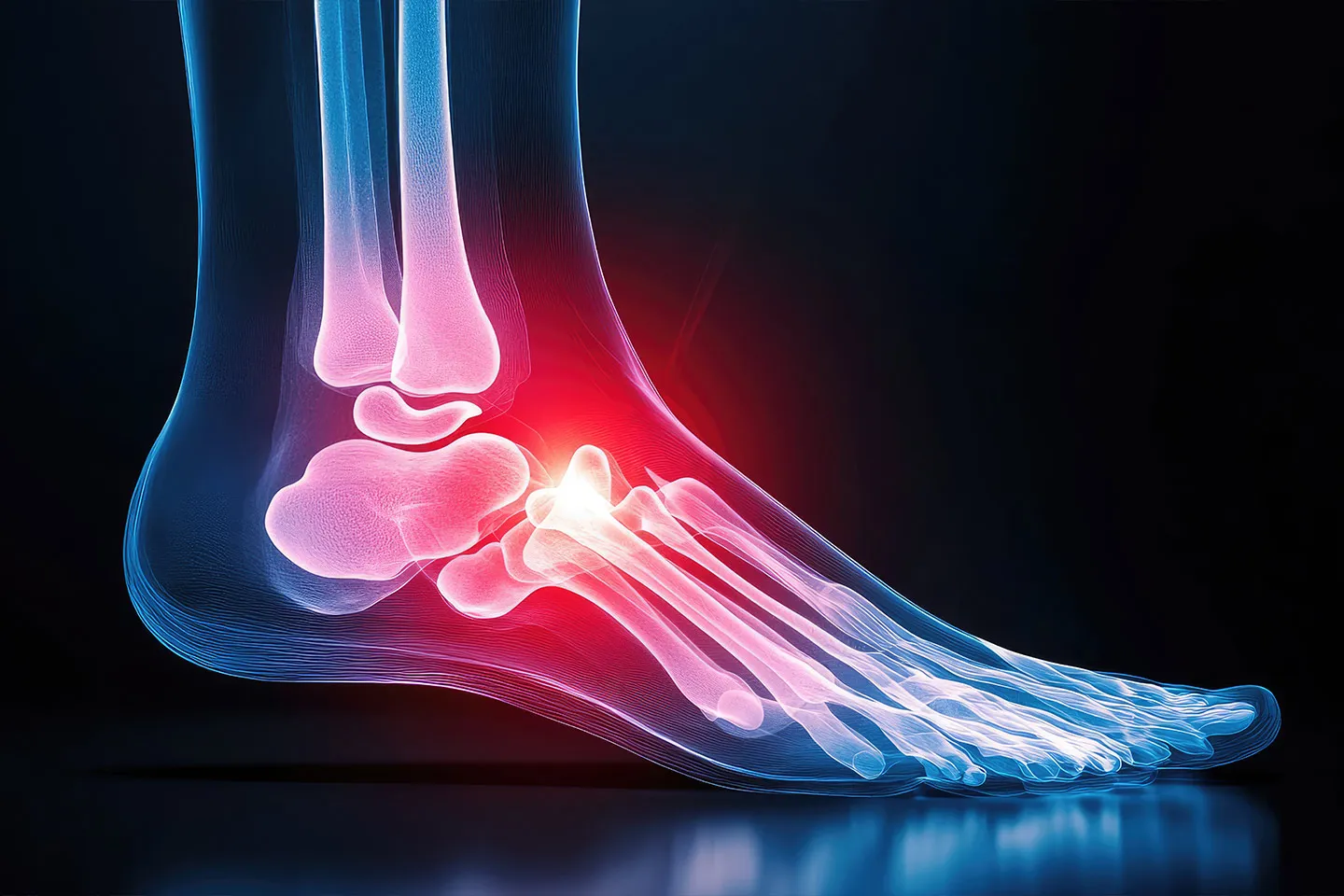
Bone metabolism disorders occur when the natural balance of bone formation and resorption is disrupted. These conditions can weaken bones, leading to fractures, deformities, and chronic pain.
Common Bone Metabolism Disorders
Some of the most prevalent conditions include:
- Osteoporosis: Reduced bone density, increasing fracture risk
- Osteomalacia: Softening of bones due to vitamin D deficiency
- Paget’s disease: Abnormal bone remodelling leading to deformities
- Hyperparathyroidism: Excess parathyroid hormone causing bone loss
- Hypoparathyroidism: Low parathyroid hormone resulting in brittle bones
Symptoms to Watch for
Depending on the condition, symptoms may include the following:
- Frequent fractures
- Bone pain or tenderness
- Muscle weakness
- Spinal deformities
- Joint pain or stiffness
Early detection and management are essential to prevent complications and improve quality of life.
Comprehensive Diagnostic Approach
At Precision Care: Endocrinology & Diabetes, we use state-of-the-art diagnostic tools, including:
- Bone Density Scans (DEXA scans): To assess bone strength
- Blood Tests: To evaluate calcium, vitamin D, and hormone levels
- X-rays and Imaging: To detect bone deformities and fractures
- Genetic Testing: In cases of inherited bone disorders
A thorough evaluation helps us develop a precise treatment plan for each patient.
Personalised Treatment Options
Treatment strategies vary based on the specific bone metabolism disorder and may include:
- Medications: Bisphosphonates, hormone therapy, or vitamin D supplements
- Dietary Modifications: Calcium and vitamin D-rich nutrition plans
- Physical Therapy: To strengthen bones and improve mobility
- Surgical Intervention: In cases of severe bone deformities by referring to surgical colleagues
Our goal is to restore bone health and prevent further complications through tailored treatment plans.
Lifestyle and Long-Term Management
Maintaining bone health requires ongoing care and preventive measures. Our experts provide guidance on:
- Regular Weight-Bearing Exercises: Such as walking, strength training, and yoga
- Balanced Nutrition: Adequate calcium, vitamin D, and protein intake
- Fall Prevention Strategies: To reduce fracture risk
- Routine Monitoring: To track bone health over time
If you are experiencing symptoms related to bone metabolism disorders, contact us today to schedule a consultation. Early intervention is key to maintaining strong and healthy bones.

Find Us Here
Trusted specialists dedicated to your long-term health.
Your Care Journey Begins Here


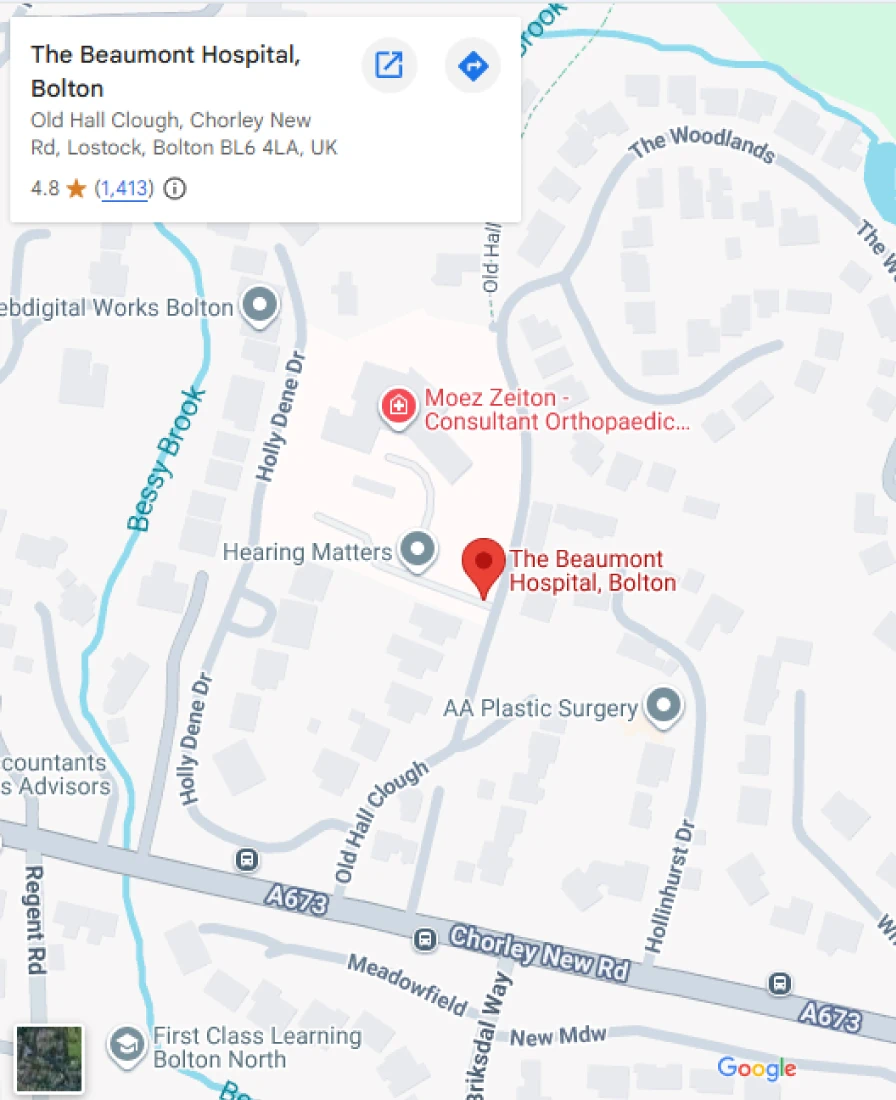
The Beaumont Hospital, Old Hall Clough, Chorley New Rd, Lostock, Bolton BL6 4LA, United Kingdom
Phone No: +44 1204404404
Timings:
Saturday: 8:30 AM - 12:30 PM
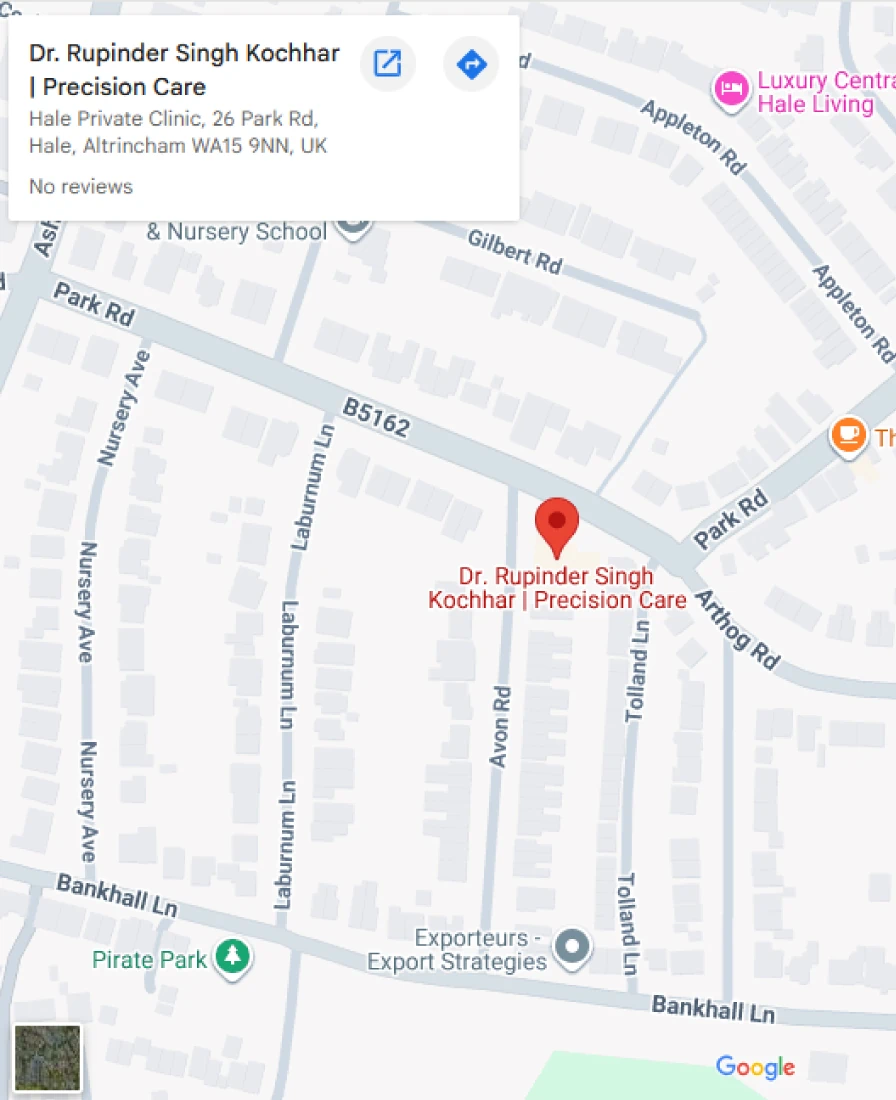
Hale Private Clinic, 26 Park Rd, Hale, Altrincham WA15 9NN, United Kingdom
Phone: +44 1613598889
Timings:
Friday: 1:00 PM - 3:00 PM
Patients may call the general office number to schedule appointments Monday through Friday, from 9:00 AM to 6:00 PM.
Specialised support for hormonal balance and diabetes to help you thrive.

© 2026 Precision Care. All rights reserved. | Privacy Policy | Website Design by Remedo