Goitre

Goitre is an abnormal enlargement of the thyroid gland, a butterfly-shaped organ located at the base of the neck. While goitre is often harmless, it can sometimes indicate underlying thyroid disorders. This condition can affect people of all ages and genders, but it is more common in women. Understanding the causes, symptoms, and treatment options for goitre is essential for proper management and prevention.
What is Goitre?
Goitre refers to a swelling of the thyroid gland, which may or may not be associated with abnormal thyroid hormone levels.
Causes of Goitre
Goitre can develop due to various factors, including:
- Iodine Deficiency: Iodine is essential for thyroid hormone production. A lack of iodine in the diet leads to thyroid enlargement as the gland tries to compensate for hormone deficiency. Common in areas where iodine intake is low.
- Hyperthyroidism (Overactive Thyroid): Conditions like Graves' disease cause the thyroid to produce excessive hormones, leading to gland enlargement.
- Hypothyroidism (Underactive Thyroid): When the thyroid gland produces insufficient hormones (as seen in Hashimoto's thyroiditis), the pituitary gland signals the thyroid to enlarge to compensate.
- Thyroid Nodules: Benign or malignant nodules may develop in the thyroid, leading to a nodular goitre.
- Thyroid Cancer: Although rare, thyroid malignancies can cause significant swelling.
- Pregnancy: Hormonal changes during pregnancy may affect the thyroid, leading to temporary enlargement.
- Genetic Factors: A family history of thyroid disorders increases the risk of developing goitre.
Symptoms of Goitre
The severity of symptoms varies depending on the size and cause of the goitre. Common symptoms include:
- Visible swelling at the base of the neck
- Difficulty swallowing or breathing (if the goitre is large)
- Hoarseness or voice changes
- Coughing or throat tightness
Symptoms related to thyroid dysfunction may include:
- Hyperthyroidism – Weight loss, increased heart rate, anxiety, and excessive sweating.
- Hypothyroidism – Fatigue, weight gain, depression, and cold intolerance.
Treatment Options for Goitre
The treatment of goitre depends on its size, symptoms, and underlying cause.
- Observation: Small, asymptomatic goitres may not require treatment but should be monitored regularly.
- Iodine Supplementation: In cases of iodine deficiency, increasing dietary iodine intake (through iodised salt, seafood, and dairy) can help reduce goitre size.
- Medications
- Levothyroxine for hypothyroidism.
- Antithyroid drugs like methimazole for hyperthyroidism.
- Beta-blockers to control symptoms of hyperthyroidism.
- Radioactive Iodine Therapy: Used to shrink an overactive thyroid gland commonly in cases of hyperthyroidism and occasionally used even with normal thyroid function.
- Surgery (Thyroidectomy): Recommended for large goitres causing breathing/swallowing difficulties or if cancer is suspected.
Prevention of Goitre
While not all cases of goitre can be prevented, the following steps can help reduce the risk:
- Ensure adequate iodine intake through diet or supplements.
- Regular thyroid screenings if you have a family history of thyroid disorders.
- Manage autoimmune conditions to prevent thyroid dysfunction.
- Avoid excessive iodine consumption, which can also lead to thyroid problems.
Conclusion
Goitre is a common thyroid condition that can be caused by iodine deficiency, hormonal imbalances, or underlying thyroid diseases. While many cases are harmless, some require medical intervention. Early diagnosis and appropriate treatment are crucial for preventing complications and maintaining thyroid health. If you notice swelling in your neck or experience symptoms of thyroid dysfunction, consult a healthcare professional for evaluation and management.
Enlarged thyroid? Get care for goitre at Precision Care: Endocrinology & Diabetes. Schedule your consultation today!

Find Us Here
Trusted specialists dedicated to your long-term health.
Your Care Journey Begins Here


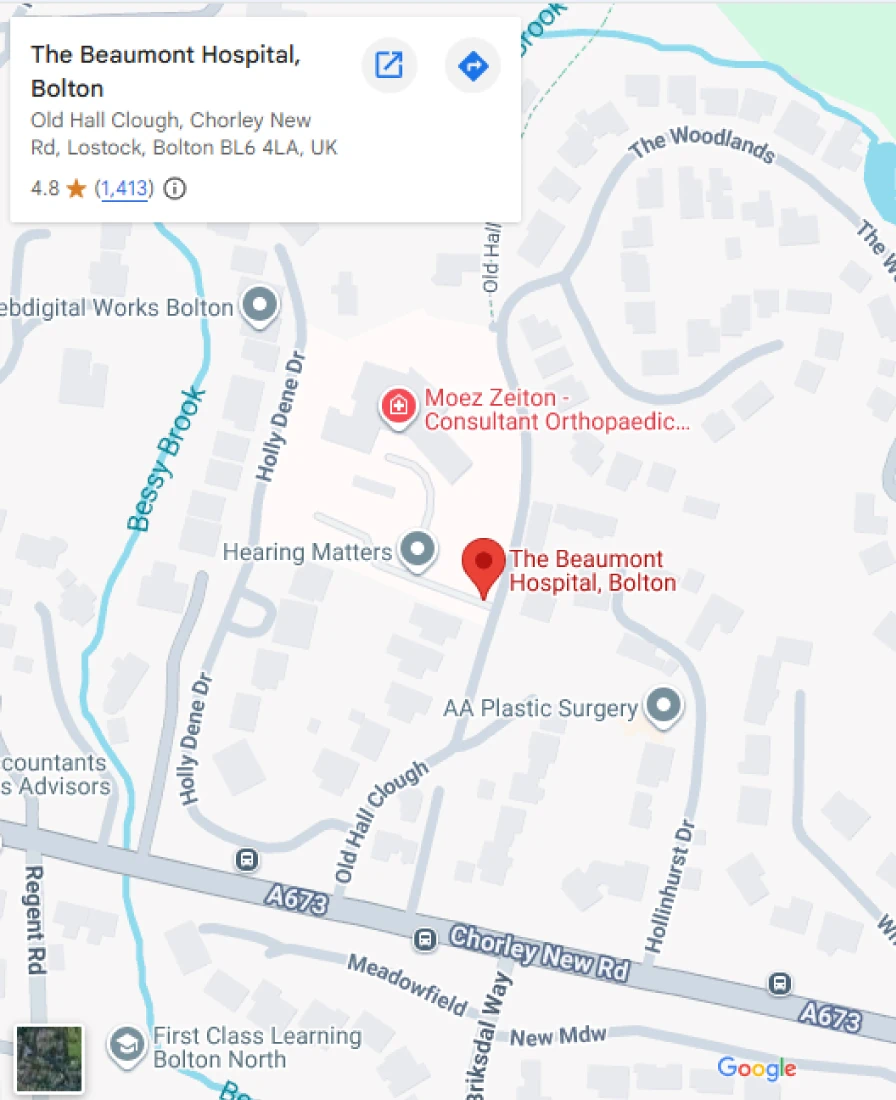
The Beaumont Hospital, Old Hall Clough, Chorley New Rd, Lostock, Bolton BL6 4LA, United Kingdom
Phone No: +44 1204404404
Timings:
Saturday: 8:30 AM - 12:30 PM
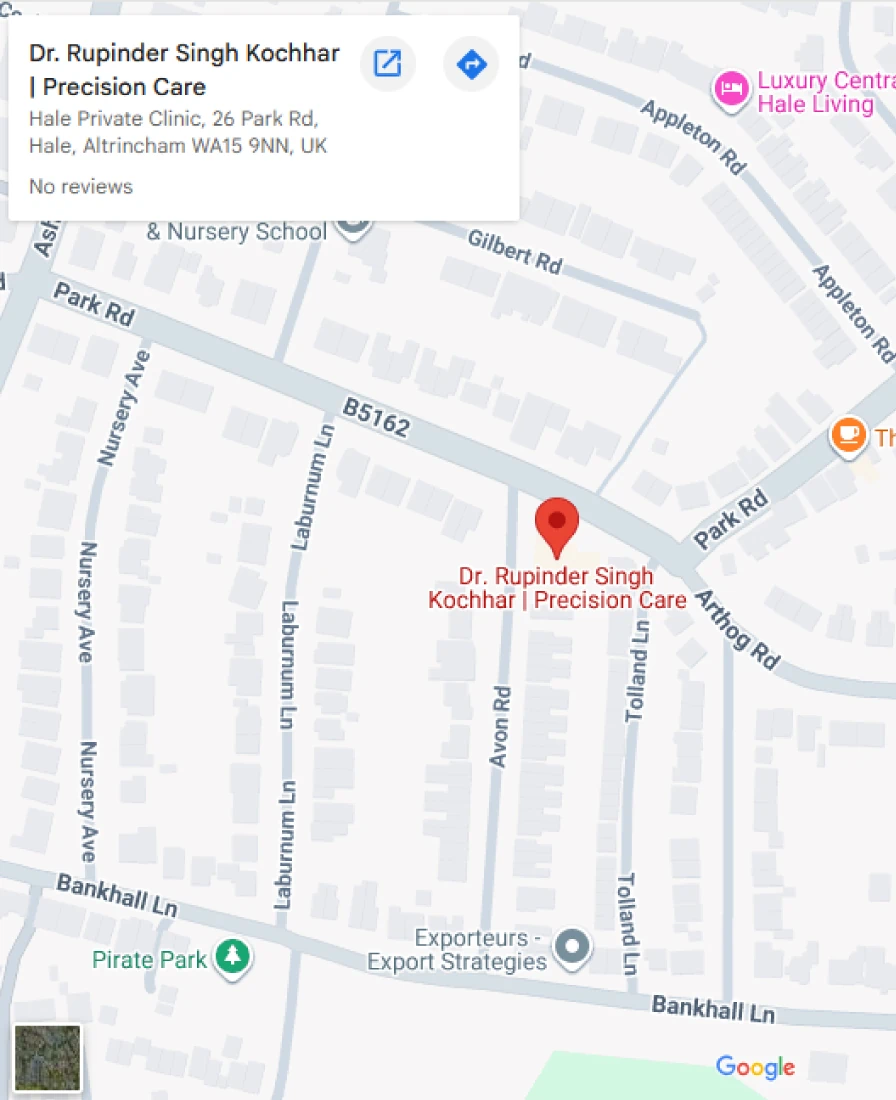
Hale Private Clinic, 26 Park Rd, Hale, Altrincham WA15 9NN, United Kingdom
Phone: +44 1613598889
Timings:
Friday: 1:00 PM - 3:00 PM
Patients may call the general office number to schedule appointments Monday through Friday, from 9:00 AM to 6:00 PM.

Specialised support for hormonal balance and diabetes to help you thrive.

© 2026 Precision Care. All rights reserved. | Privacy Policy | Website Design by Remedo