Hashimoto's Thyroiditis
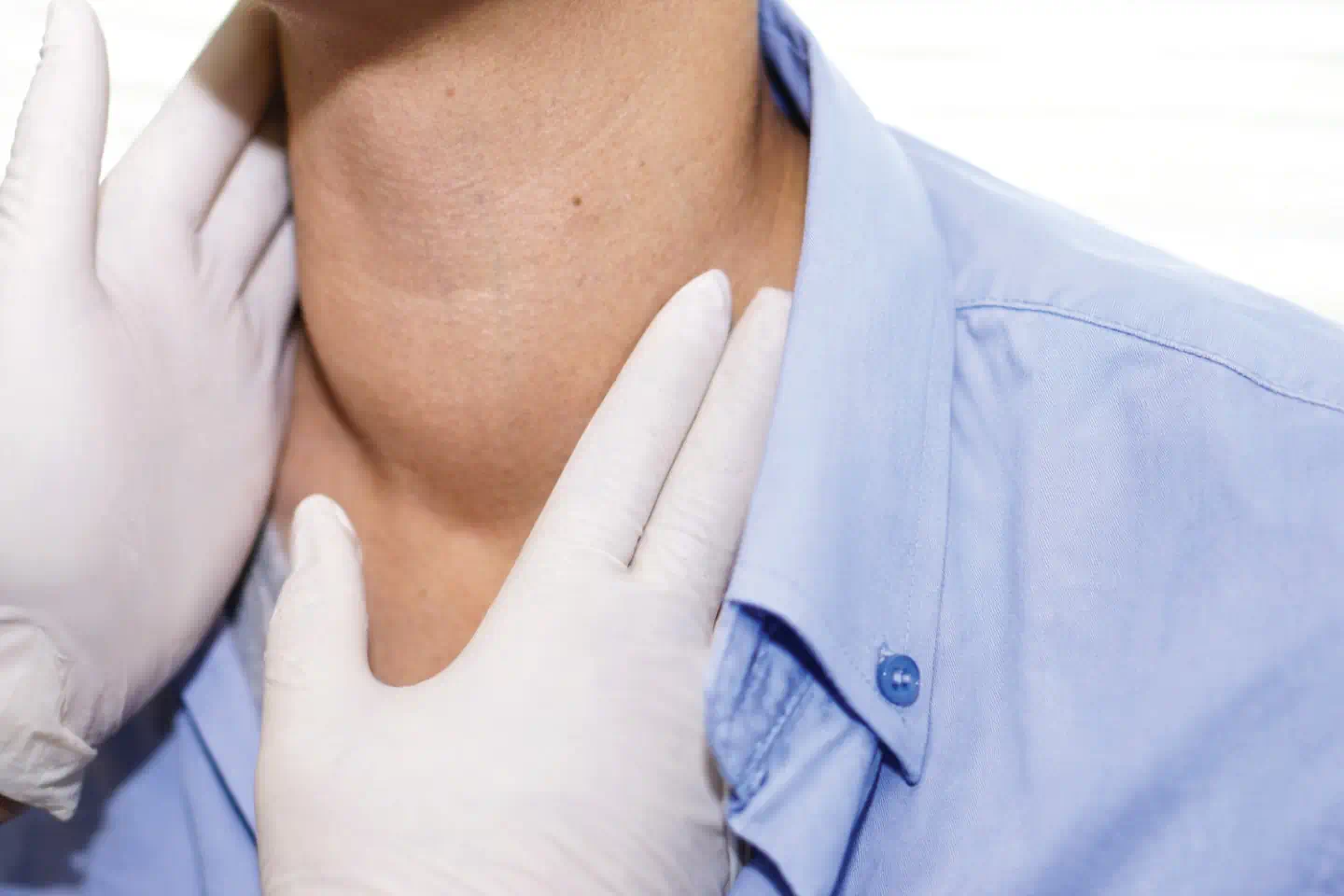
Hashimoto’s thyroiditis is an autoimmune disorder in which the immune system attacks the thyroid gland, leading to inflammation and gradual destruction of thyroid tissue. Over time, this results in hypothyroidism (underactive thyroid), where the thyroid fails to produce enough hormones. It is the most common cause of hypothyroidism and primarily affects women.
Causes of Hashimoto’s Thyroiditis
The exact cause is unknown, but several factors contribute to the development of Hashimoto’s thyroiditis:
- Genetics: A family history of thyroid disease increases the risk.
- Hormonal Influence: More common in women, with fluctuations during pregnancy and menopause triggering the condition.
- Environmental Triggers: Excess iodine, radiation exposure, and viral infections may contribute.
- Other Autoimmune Disorders: Individuals with type 1 diabetes, lupus, or rheumatoid arthritis have a higher risk.
Symptoms of Hashimoto’s Thyroiditis
Symptoms develop gradually and may go unnoticed in the early stages. As thyroid function declines, common symptoms include:
- Fatigue, sluggishness, and weight gain
- Sensitivity to cold and dry skin
- Hair thinning and brittle nails
- Joint and muscle pain
- Depression, brain fog, and memory issues
- Constipation and slow heart rate
- Heavy or irregular menstrual cycles
In some cases, the thyroid gland enlarges, forming a goitre, which may cause swelling in the neck and difficulty swallowing.
Diagnosis of Hashimoto’s Thyroiditis
Doctors diagnose Hashimoto’s using:
- Blood Tests: Elevated TSH, low free T3 and T4, and the presence of anti-thyroid peroxidase (TPO) antibodies.
- Ultrasound: Assesses thyroid size and detects nodules.
- Biopsy (rarely needed): Performed if nodules are present.
Treatment of Hashimoto’s Thyroiditis
There is no cure, but treatment focuses on managing symptoms and restoring hormone levels.
- Thyroid Hormone Replacement Therapy: Levothyroxine (T4) is prescribed to maintain normal thyroid function.
- Diet and Lifestyle: A balanced diet with adequate iodine, selenium, and vitamin D can support thyroid health. Regular exercise and stress management are also beneficial.
- Monitoring: Regular thyroid function tests ensure proper hormone levels.
Conclusion
Hashimoto’s thyroiditis is a lifelong condition but can be effectively managed with medication and lifestyle changes. Early diagnosis and treatment prevent complications such as heart disease, infertility, and severe hypothyroidism. If you are concerned or experience symptoms, consult Dr Rupinder Kochhar for evaluation and management.

Find Us Here
Trusted specialists dedicated to your long-term health.
Your Care Journey Begins Here


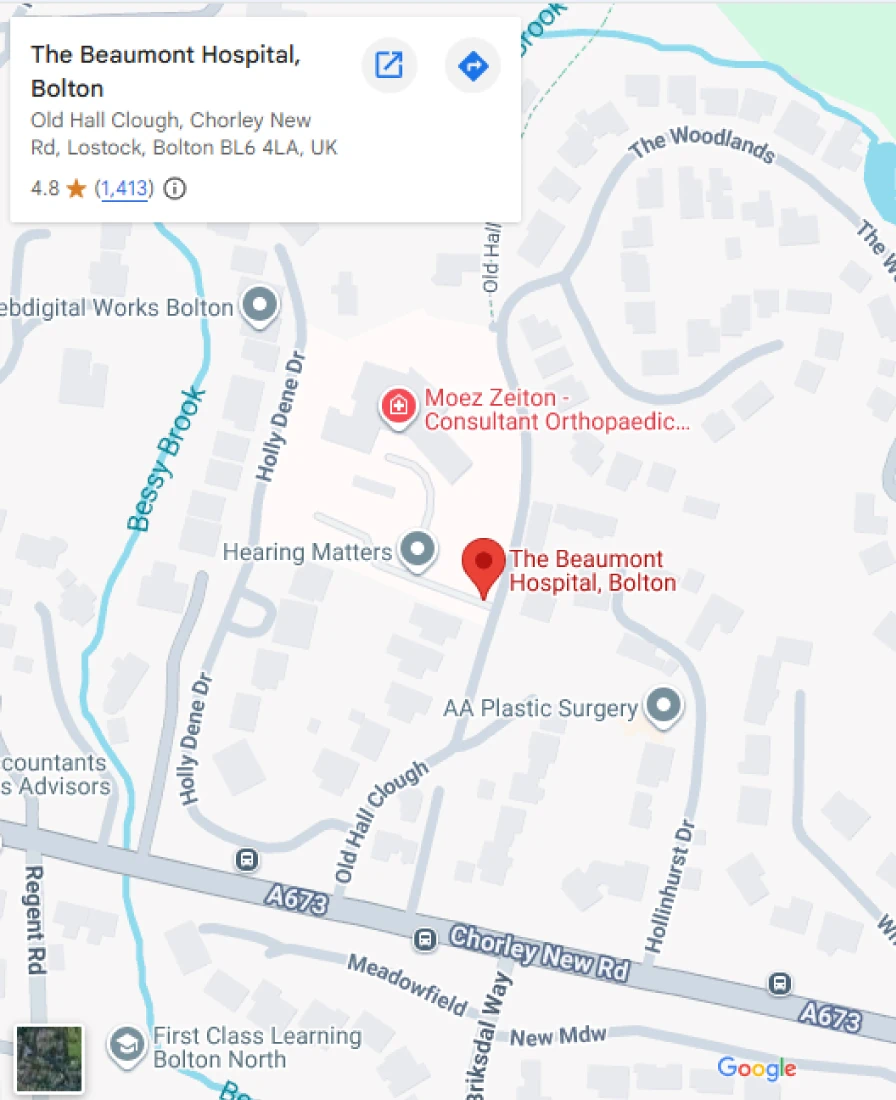
The Beaumont Hospital, Old Hall Clough, Chorley New Rd, Lostock, Bolton BL6 4LA, United Kingdom
Phone No: +44 1204404404
Timings:
Saturday: 8:30 AM - 12:30 PM
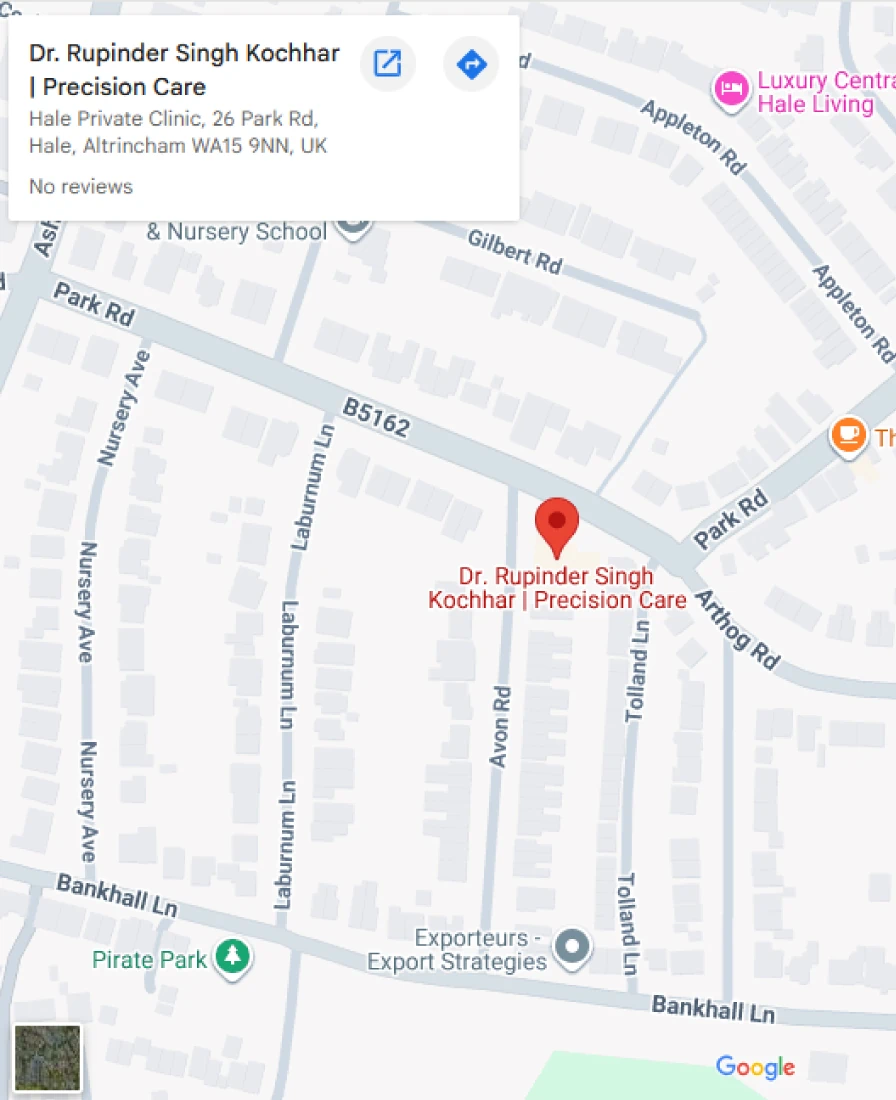
Hale Private Clinic, 26 Park Rd, Hale, Altrincham WA15 9NN, United Kingdom
Phone: +44 1613598889
Timings:
Friday: 1:00 PM - 3:00 PM
Patients may call the general office number to schedule appointments Monday through Friday, from 9:00 AM to 6:00 PM.
Specialised support for hormonal balance and diabetes to help you thrive.

© 2026 Precision Care. All rights reserved. | Privacy Policy | Website Design by Remedo