High Blood Pressure
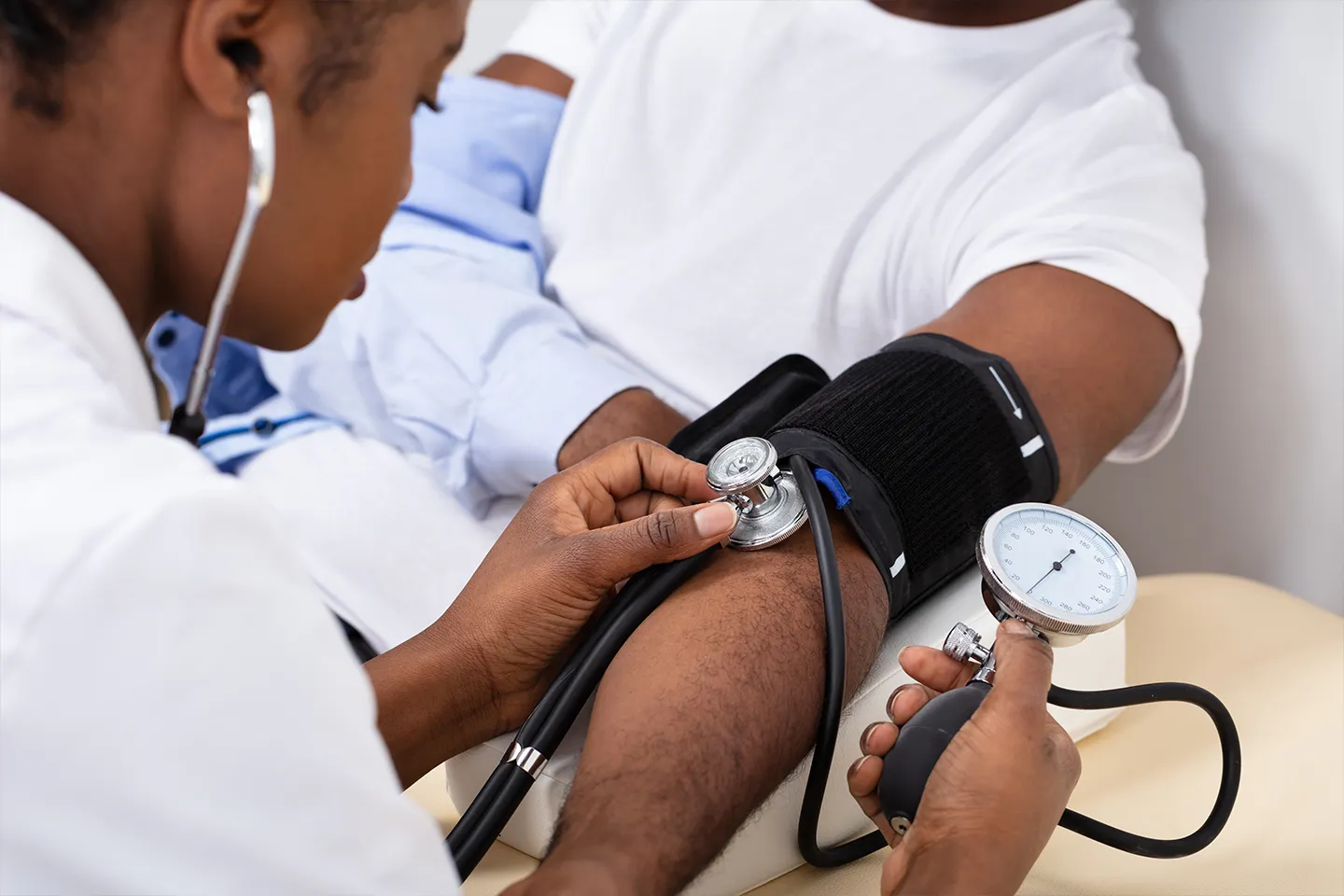
High blood pressure, or hypertension, is a condition where the force of blood against artery walls remains consistently too high. If left untreated, it can increase the risk of heart disease, stroke, kidney damage, and other serious health complications. Often called the "silent killer," hypertension may not cause noticeable symptoms but can have long-term effects on the body.
Causes of High Blood Pressure
Hypertension can be classified into two main types:
1. Primary (Essential) Hypertension
- Develops gradually over time without an identifiable cause.
- Linked to genetics, ageing, poor diet, and lack of exercise.
2. Secondary Hypertension
- Caused by underlying medical conditions such as:
- Kidney disease
- Hormonal disorders (e.g., thyroid problems)
- Obstructive sleep apnoea
- Certain medications (e.g., birth control pills, decongestants)
Risk Factors
Several factors increase the likelihood of developing hypertension:
- Age: Risk increases with age.
- Family History: Genetic predisposition plays a role.
- Unhealthy Diet: High sodium, low potassium, and excessive processed foods contribute.
- Lack of Physical Activity: Leads to weight gain and poor heart health.
- Smoking and Alcohol Consumption: Damage blood vessels and raise blood pressure.
- Chronic Stress: Can cause temporary spikes in blood pressure.
Symptoms of High Blood Pressure
Hypertension is often asymptomatic in the early stages, which is why regular monitoring is important. However, in severe cases, symptoms may include:
- Headaches
- Dizziness
- Blurred vision
- Shortness of breath
- Chest pain
- Nosebleeds
If blood pressure reaches dangerously high levels (hypertensive crisis), it may cause confusion, severe headaches, or even stroke.
Diagnosis of High Blood Pressure
Doctors and staff diagnose hypertension using blood pressure readings:
- Normal: Below 120/80 mmHg
- Elevated: 120-129/80 mmHg
- Hypertension (Stage 1): 130-139/80-89 mmHg
- Hypertension (Stage 2): 140/90 mmHg or higher
- Hypertensive Crisis: Above 180/120 mmHg (requires emergency care)
Additional tests such as blood tests, urine tests, and ECGs may be performed to assess organ health.
Treatment of High Blood Pressure
Lifestyle Changes
- Healthy Diet: Follow the DASH (Dietary Approaches to Stop Hypertension) diet, which emphasises fruits, vegetables, whole grains, and low-fat dairy.
- Exercise Regularly: At least 30 minutes of moderate activity most days.
- Limit Salt Intake: Reduce processed foods and avoid adding extra salt to meals.
- Maintain a Healthy Weight: Obesity increases hypertension risk.
- Quit Smoking and Reduce Alcohol Consumption: Both can raise blood pressure levels.
- Manage Stress: Meditation, yoga, and breathing exercises can help.
Medications
If lifestyle changes are not enough, doctors may prescribe:
- Diuretics: Help the body remove excess sodium and water.
- Beta-Blockers: Slow heart rate and reduce blood pressure.
- ACE Inhibitors & ARBs: Relax blood vessels for better circulation.
- Calcium Channel Blockers: Help arteries relax and improve blood flow.
Complications of Uncontrolled Hypertension
If left untreated, high blood pressure can lead to severe health problems:
- Heart Disease & Stroke: Increased risk of heart attacks and strokes.
- Kidney Damage: Hypertension can cause kidney failure.
- Vision Loss: Damage to blood vessels in the eyes.
- Cognitive Decline: Higher risk of dementia and memory problems.
Conclusion
High blood pressure is a serious yet manageable condition. Regular monitoring, healthy lifestyle choices, and, if necessary, medication can keep blood pressure under control and prevent complications. If you have risk factors or symptoms, consult a healthcare provider for proper evaluation and treatment.
Take control of your blood pressure with personalised care at Precision Care. Your heart health matters, schedule a visit today!

Find Us Here
Trusted specialists dedicated to your long-term health.
Your Care Journey Begins Here


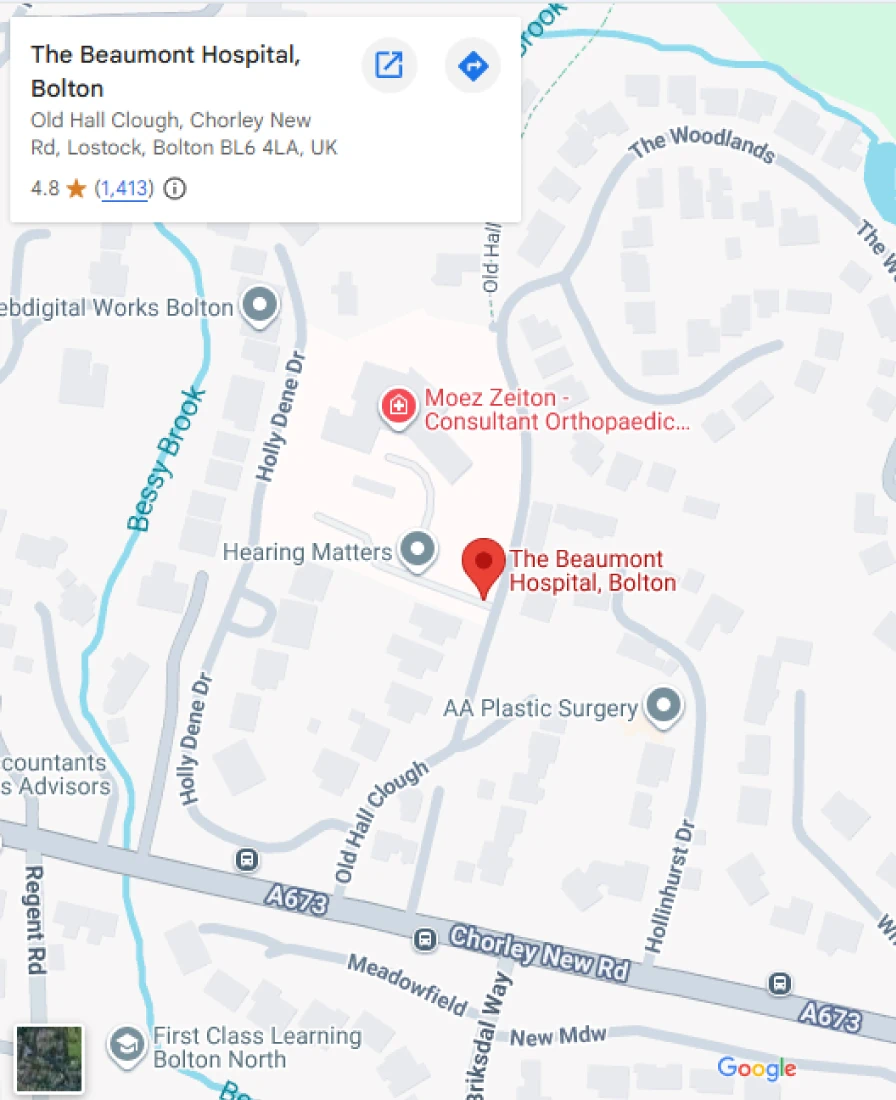
The Beaumont Hospital, Old Hall Clough, Chorley New Rd, Lostock, Bolton BL6 4LA, United Kingdom
Phone No: +44 1204404404
Timings:
Saturday: 8:30 AM - 12:30 PM
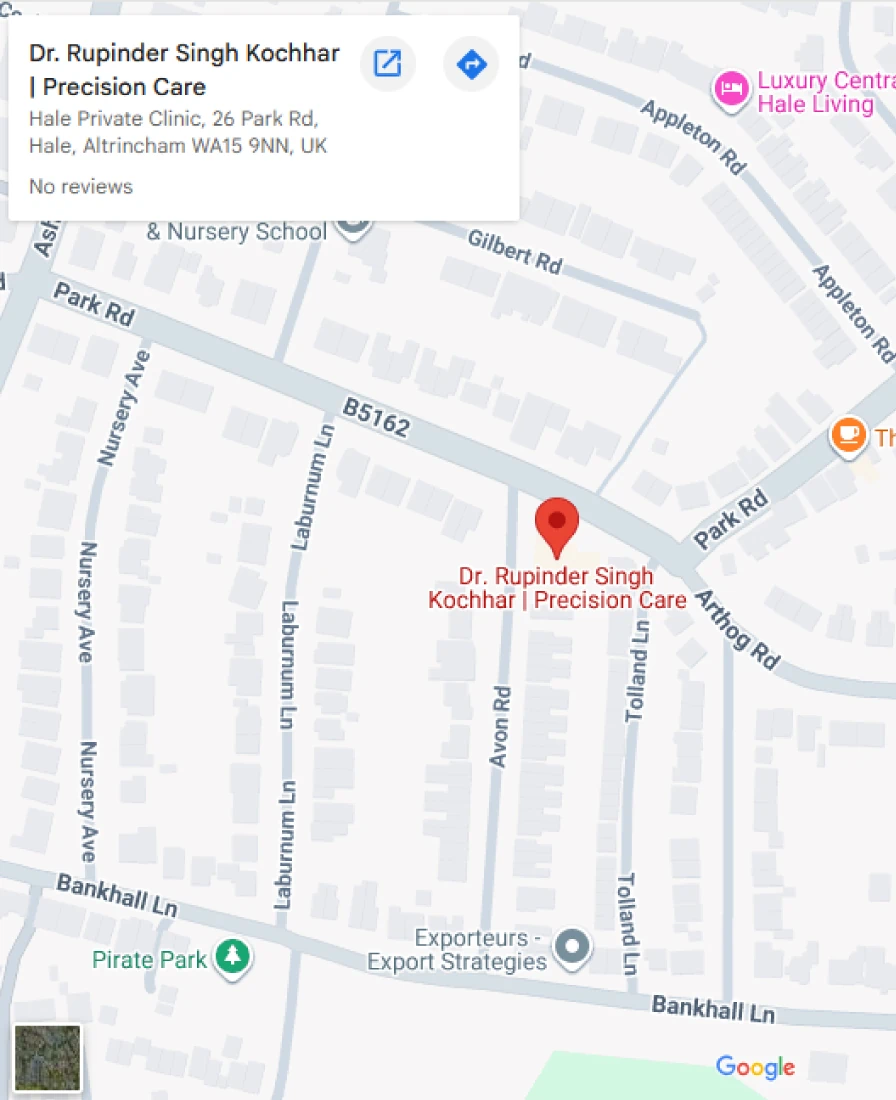
Hale Private Clinic, 26 Park Rd, Hale, Altrincham WA15 9NN, United Kingdom
Phone: +44 1613598889
Timings:
Friday: 1:00 PM - 3:00 PM
Patients may call the general office number to schedule appointments Monday through Friday, from 9:00 AM to 6:00 PM.
Specialised support for hormonal balance and diabetes to help you thrive.

© 2026 Precision Care. All rights reserved. | Privacy Policy | Website Design by Remedo