Lipids

Lipids are chemical compounds in the body that help with essential functions such as energy storage, hormone production, and cell structure. These fatty or waxy substances do not dissolve in water.
Types of Lipids
Lipids include different types of fats, each serving a distinct function:
- Cholesterol: A key component of cell membranes that helps in fat absorption, hormone production, and vitamin intake.
- Triglycerides: The main form of stored fat used for energy.
- Phospholipids: Essential for building cell membranes and regulating what enters and exits cells.
- Steroid hormones: Includes cortisol, estrogen, and testosterone, which regulate various bodily functions.
- Bile salts: Derived from cholesterol, they help digest fats.
Lipoproteins: Transporting Lipids in the Body
Since lipids do not dissolve in water, they combine with proteins to form lipoproteins, which allow them to travel through the bloodstream:
- HDL (High-Density Lipoproteins): Known as “good” cholesterol, HDL helps remove excess cholesterol from the bloodstream.
- LDL (Low-Density Lipoproteins): Known as “bad” cholesterol, LDL can build up in artery walls and increase the risk of cardiovascular disease.
- VLDL (Very Low-Density Lipoproteins): Carries triglycerides from the liver to other cells and can contribute to plaque formation in arteries.
Functions of Lipids in the Body
Lipids are involved in many physiological processes, including:
- Energy storage and transport: Triglycerides store energy for later use.
- Hormone production: Steroid hormones send signals within the body.
- Cell membrane structure: Phospholipids and cholesterol maintain cell integrity.
- Fat digestion: Bile salts break down fats for absorption.
- Brain function and nerve signaling: Lipids play a role in cognitive health and nerve communication.
Lipid Disorders and Their Health Impact
An imbalance in lipid levels can lead to various health concerns, including:
- Hyperlipidaemia: High levels of cholesterol and triglycerides, increasing the risk of heart disease.
- Atherosclerosis: Fatty deposits in the arteries, leading to reduced blood flow.
- Coronary artery disease: A result of cholesterol buildup in heart arteries.
- Hypertriglyceridaemia: Elevated triglycerides, which increase the risk of cardiovascular disease.
Comprehensive Diagnostic Approach
At Precision Care: Endocrinology & Diabetes, we use advanced tests to assess lipid levels and overall metabolic health:
- Lipid panel (cholesterol test): Measures total cholesterol, LDL, HDL, and triglycerides.
If you have concerns about your lipid levels, contact us today for a consultation. Proper management of lipids is key to maintaining cardiovascular and metabolic health.

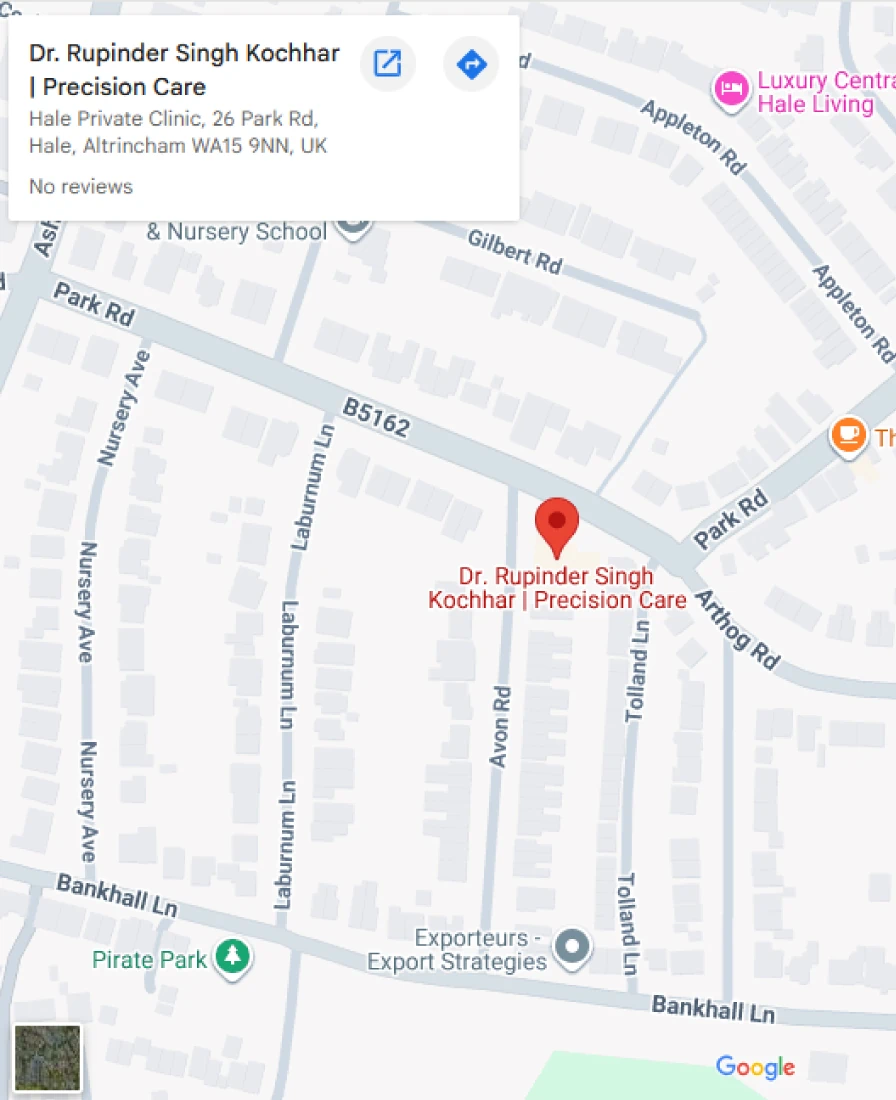
Find Us Here
Trusted specialists dedicated to your long-term health.

Your Care Journey Begins Here


The Beaumont Hospital, Old Hall Clough, Chorley New Rd, Lostock, Bolton BL6 4LA, United Kingdom
Phone No: +44 1204404404
Timings:
Saturday: 8:30 AM - 12:30 PM
Hale Private Clinic, 26 Park Rd, Hale, Altrincham WA15 9NN, United Kingdom
Phone: +44 1613598889
Timings:
Friday: 1:00 PM - 3:00 PM
Patients may call the general office number to schedule appointments Monday through Friday, from 9:00 AM to 6:00 PM.

Specialised support for hormonal balance and diabetes to help you thrive.

© 2026 Precision Care. All rights reserved. | Privacy Policy | Website Design by Remedo