Menopause
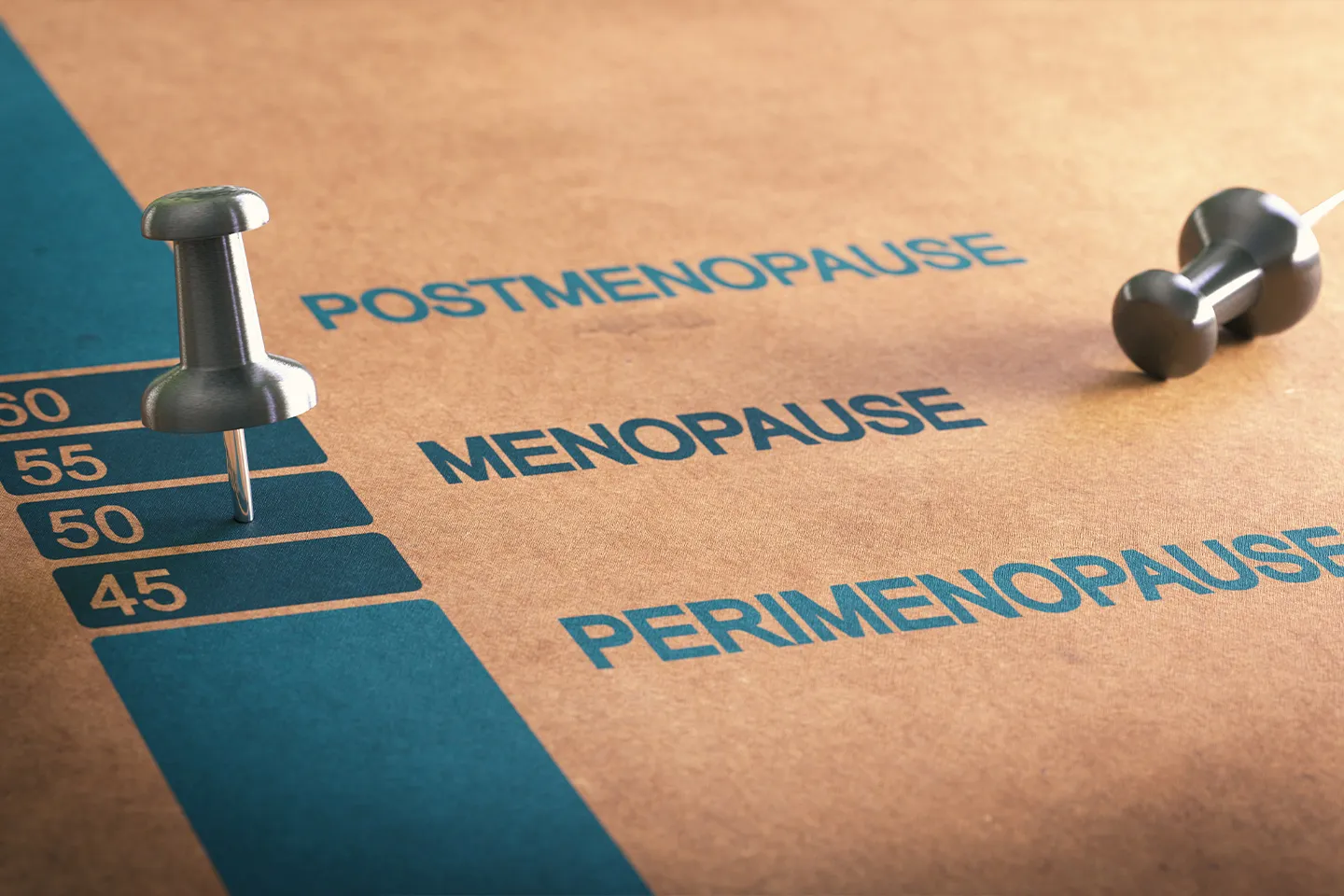
Menopause is a natural biological process that marks the end of a woman’s reproductive years. It occurs when the ovaries stop producing eggs, leading to a decline in hormone levels, particularly oestrogen and progesterone. Menopause is officially diagnosed when a woman has gone 12 consecutive months without a menstrual period. While it is a normal stage of life, menopause can bring various physical and emotional changes that affect overall well-being.
Stages of Menopause
Menopause occurs in three stages:
- Perimenopause: The transition phase before menopause when hormone levels fluctuate, leading to irregular periods and early symptoms.
- Menopause: The point when menstruation stops completely due to the decline in ovarian function.
- Postmenopause: The years after menopause when symptoms may persist, and certain health risks, such as osteoporosis and heart disease, increase.
Common Symptoms of Menopause
Every woman experiences menopause differently, but common symptoms include:
- Hot flashes and night sweats
- Irregular periods leading to cessation of menstruation
- Mood swings, anxiety, and depression
- Sleep disturbances and fatigue
- Weight gain and changes in metabolism
- Vaginal dryness and discomfort
- Decreased libido
- Memory and concentration difficulties
Health Risks Associated with Menopause
As hormone levels decline, menopause can increase the risk of certain health conditions, including:
- Osteoporosis: Reduced oestrogen levels can lead to bone loss, increasing the risk of fractures.
- Cardiovascular disease: Changes in cholesterol levels and blood pressure may raise the risk of heart disease.
- Metabolic changes: Weight gain and insulin resistance can develop, increasing the risk of type 2 diabetes.
- Urogenital issues: Vaginal dryness and urinary incontinence can affect quality of life.
Diagnostic Approach
At Precision Care: Endocrinology & Diabetes, we use the following methods to assess and monitor menopause:
- Hormone blood tests to measure oestrogen, progesterone, and follicle-stimulating hormone (FSH) levels.
- Bone density scans to evaluate osteoporosis risk.
- Cardiovascular assessments to monitor heart health.
Why Choose Us?
At Precision Care: Endocrinology & Diabetes, we provide:
- Personalised care for managing menopause symptoms
- Comprehensive evaluations and diagnostic support
- Guidance on maintaining bone, heart, and metabolic health
- A patient-centred approach tailored to individual needs
Menopause is a significant life transition, but with the right support, it can be managed effectively. If you are experiencing menopausal symptoms or want to learn more about maintaining your health during this stage, contact us today for expert care. In certain complex situations, managing menopause may involve a multidisciplinary approach with review by a gynaecologist as well.

Find Us Here
Trusted specialists dedicated to your long-term health.
Your Care Journey Begins Here


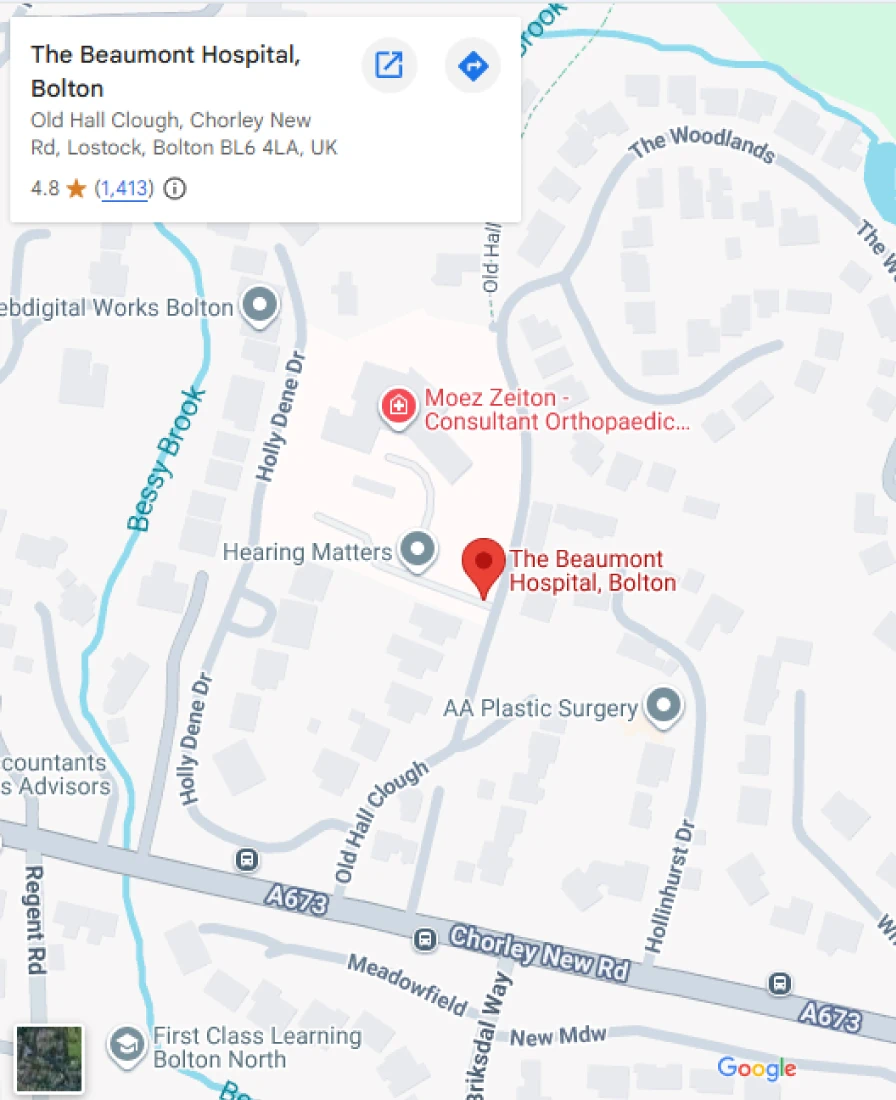
The Beaumont Hospital, Old Hall Clough, Chorley New Rd, Lostock, Bolton BL6 4LA, United Kingdom
Phone No: +44 1204404404
Timings:
Saturday: 8:30 AM - 12:30 PM
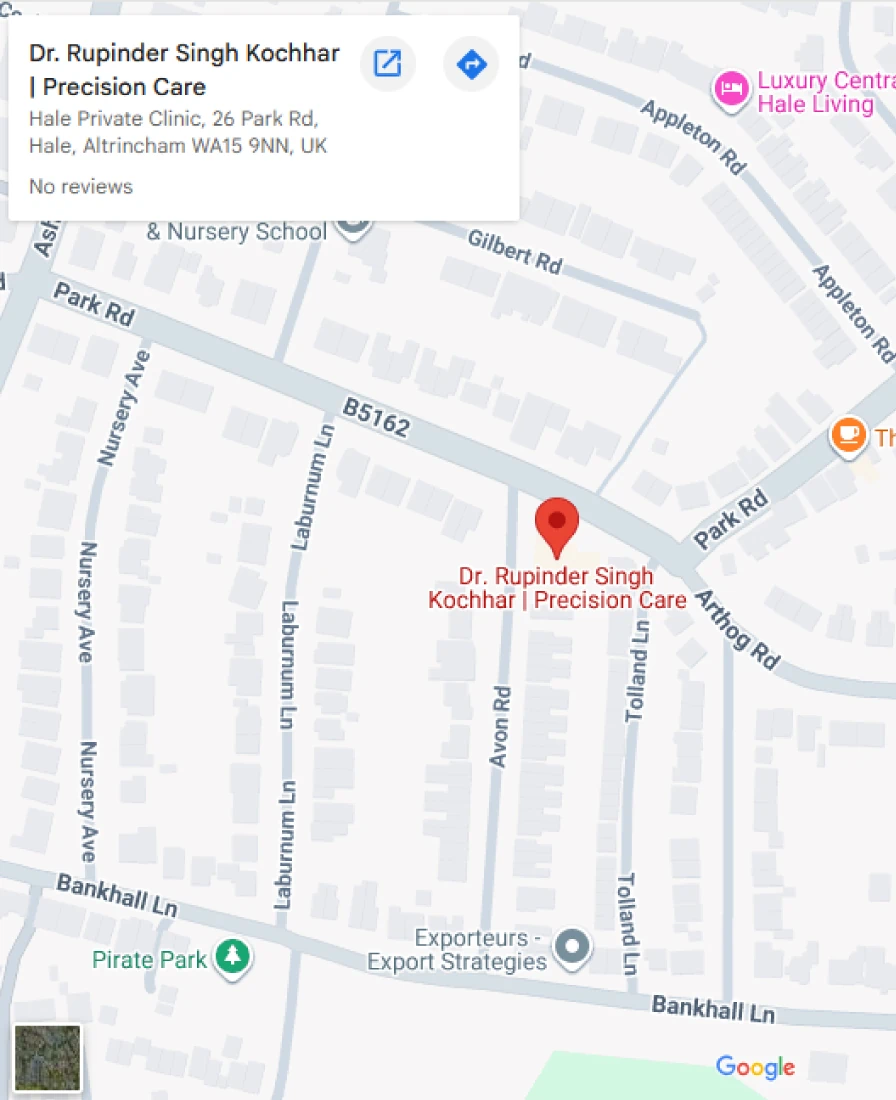
Hale Private Clinic, 26 Park Rd, Hale, Altrincham WA15 9NN, United Kingdom
Phone: +44 1613598889
Timings:
Friday: 1:00 PM - 3:00 PM
Patients may call the general office number to schedule appointments Monday through Friday, from 9:00 AM to 6:00 PM.
Specialised support for hormonal balance and diabetes to help you thrive.

© 2026 Precision Care. All rights reserved. | Privacy Policy | Website Design by Remedo