Osteoporosis
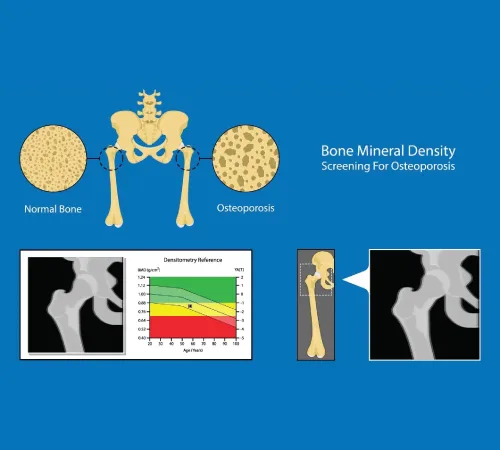
Osteoporosis is a condition characterised by weak and brittle bones, making them more prone to fractures. It occurs when the body loses too much bone, makes too little bone, or both. Osteoporosis often progresses silently until a bone fracture occurs, typically in the hip, spine, or wrist. It is more common in older adults, especially postmenopausal women, but can affect men as well.
Causes and Risk Factors
Bone is a living tissue that constantly breaks down and rebuilds. Osteoporosis develops when bone loss occurs faster than bone formation. Several factors contribute to this imbalance.
Non-Modifiable Risk Factors
- Age: Bone density naturally decreases with age, increasing fracture risk.
- Gender: Women, particularly postmenopausal women, are at higher risk due to lower estrogen levels.
- Genetics: A family history of osteoporosis increases the likelihood of developing the condition.
- Body Size: Small, thin individuals have a higher risk because they have less bone mass to begin with.
Modifiable Risk Factors
- Calcium and Vitamin D Deficiency: These nutrients are essential for strong bones.
- Sedentary Lifestyle: Lack of weight-bearing exercise weakens bones over time.
- Smoking and Excessive Alcohol Consumption: Both contribute to bone loss and reduced calcium absorption.
- Certain Medical Conditions: Rheumatoid arthritis, hyperthyroidism, hyperparathyroidism and chronic kidney disease increase the risk.
- Long-Term Use of Corticosteroids: These medications can weaken bones over time.
Signs and Symptoms
Osteoporosis is often called a "silent disease" because it does not cause symptoms until a fracture occurs. However, warning signs may include:
- Loss of height over time due to spinal compression fractures
- Back pain caused by fractured or collapsed vertebrae
- Stooped posture or hunched back (kyphosis)
- Fragile bones that break easily, even from minor falls or sudden movements
Diagnosis
Osteoporosis is diagnosed using a bone mineral density (BMD) test, most commonly the Dual-Energy X-ray Absorptiometry (DEXA) scan. This test measures bone density at the hip and spine and provides a T-score:
- Normal bone density: T-score of -1.0 or higher
- Osteopenia (low bone density, precursor to osteoporosis): T-score between -1.0 and -2.5
- Osteoporosis: T-score of -2.5 or lower
Other blood and urine tests may be done to rule out underlying conditions affecting bone health.
Treatment and Management
Lifestyle Modifications
Managing osteoporosis involves lifestyle changes to slow bone loss and strengthen bones:
- Adequate Calcium and Vitamin D Intake:
- Calcium: 1,000 mg per day (for men under 70 and women under 50), 1,200 mg per day (for older adults)
- Vitamin D: 800–1,200 IU per day to enhance calcium absorption
- Weight-Bearing and Strength Training Exercises: Activities like walking, jogging, weightlifting, and resistance exercises help maintain bone mass.
- Fall Prevention: Reducing fall risks at home, wearing proper footwear, and improving balance through yoga or tai chi can prevent fractures.
- Quit Smoking and Limit Alcohol: Both negatively impact bone density and increase fracture risk.
Medications
If lifestyle changes are not enough, doctors may prescribe medications to slow bone loss and promote bone formation:
- Bisphosphonates: First-line treatment to reduce fracture risk (e.g., alendronate, risedronate, zoledronic acid)
- Denosumab: A medication that reduces bone breakdown, given as an injection every six months
- Hormone Therapy: Estrogen replacement therapy for postmenopausal women to help maintain bone density
- Anabolic Agents (e.g., Teriparatide, Romosozumab): Promote new bone growth in severe cases of osteoporosis
Complications of Osteoporosis
If left untreated, osteoporosis can lead to:
- Frequent fractures, particularly in the spine, hips, and wrists
- Chronic pain and disability, especially from spinal fractures
- Loss of independence, as severe fractures can impair mobility
- Increased mortality risk, especially from hip fractures in older adults
Conclusion
Osteoporosis is a serious but manageable condition. Early detection, a healthy lifestyle, and appropriate treatment can significantly reduce the risk of fractures and maintain bone strength. Regular bone density screenings, especially for high-risk individuals, are essential for preventing complications.
Strong bones matter! Book your bone health assessment today.

Find Us Here
Trusted specialists dedicated to your long-term health.
Your Care Journey Begins Here


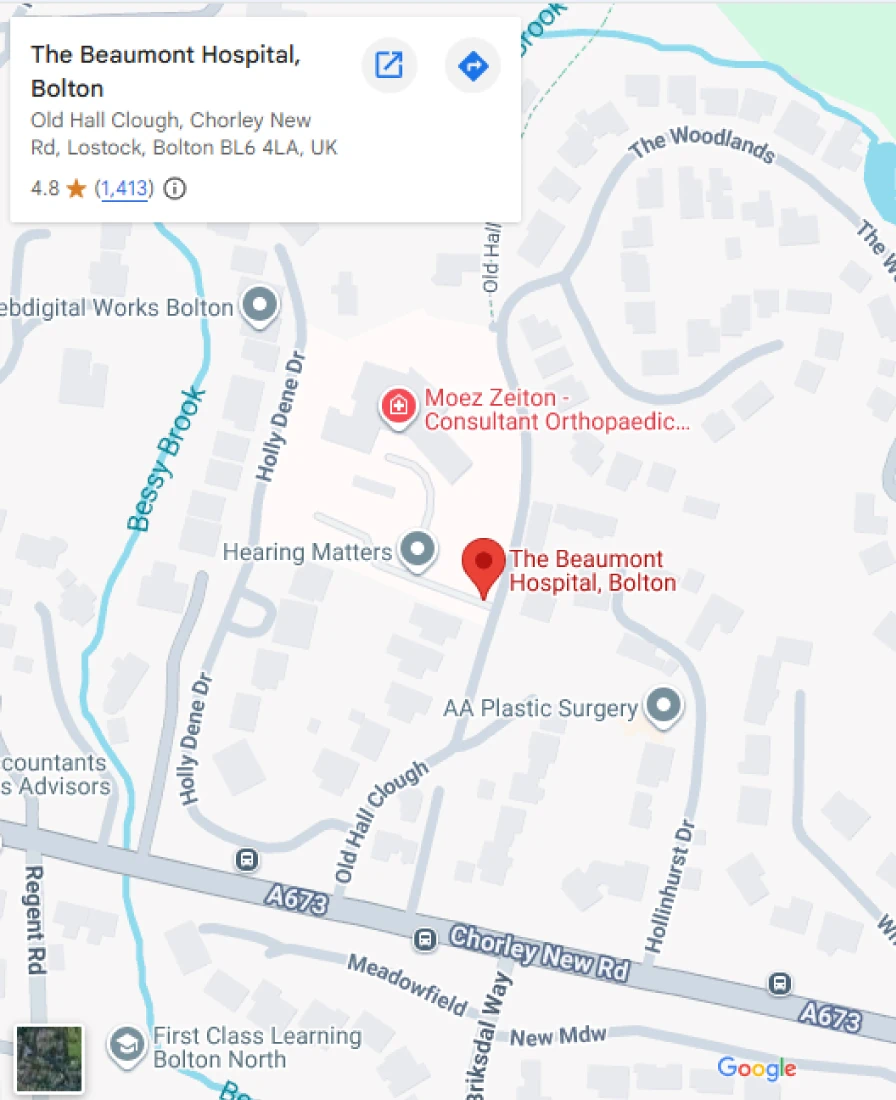
The Beaumont Hospital, Old Hall Clough, Chorley New Rd, Lostock, Bolton BL6 4LA, United Kingdom
Phone No: +44 1204404404
Timings:
Saturday: 8:30 AM - 12:30 PM
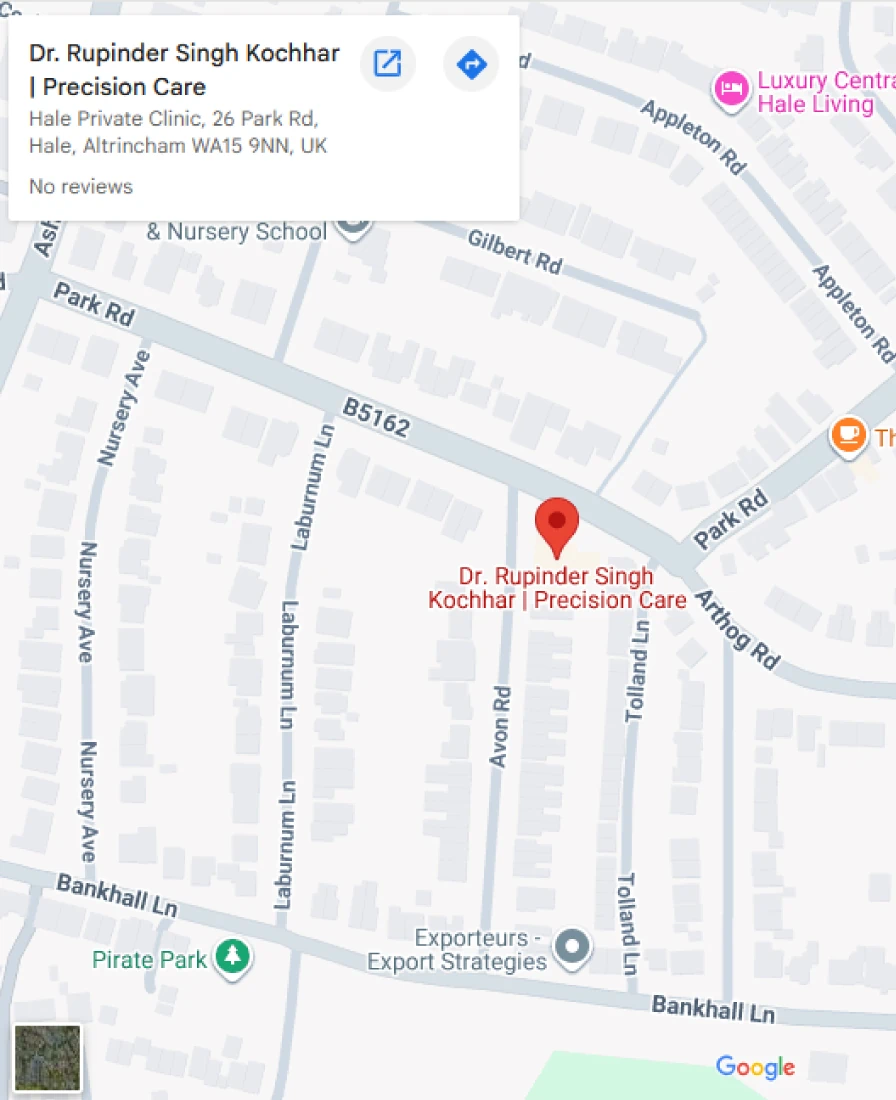
Hale Private Clinic, 26 Park Rd, Hale, Altrincham WA15 9NN, United Kingdom
Phone: +44 1613598889
Timings:
Friday: 1:00 PM - 3:00 PM
Patients may call the general office number to schedule appointments Monday through Friday, from 9:00 AM to 6:00 PM.
Specialised support for hormonal balance and diabetes to help you thrive.

© 2026 Precision Care. All rights reserved. | Privacy Policy | Website Design by Remedo