Parathyroid Disease
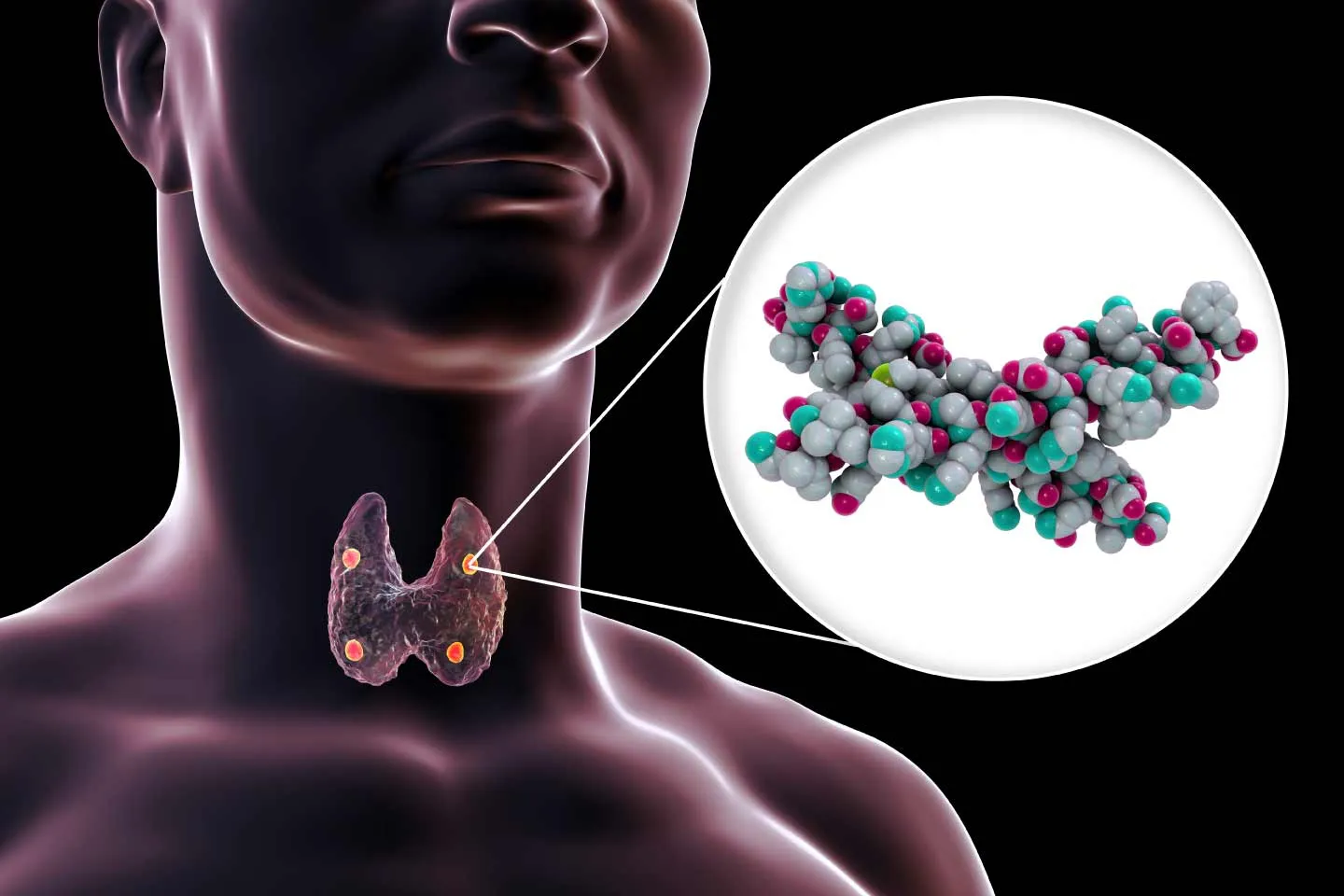
The parathyroid glands play a crucial role in maintaining the body's calcium levels, which are essential for nerve function, muscle contraction, and bone health. When these glands malfunction, it can lead to parathyroid disease, affecting calcium balance and causing various health issues.
What Are the Parathyroid Glands?
Despite their name, the parathyroid glands are not related to the thyroid gland. These four small glands are located behind the thyroid in the neck and are responsible for producing parathyroid hormone (PTH), which regulates calcium and phosphorus levels in the blood.
When the parathyroid glands become overactive or underactive, it can lead to parathyroid disease, which impacts various organs and bodily functions.
Types of Parathyroid Disease
There are three main types of parathyroid disease:
Hyperparathyroidism
This condition occurs when the parathyroid glands produce too much PTH, leading to high calcium levels (hypercalcemia). It can be classified into:
- Primary Hyperparathyroidism: Caused by a benign tumor (adenoma) on one or more parathyroid glands or gland enlargement.
- Secondary Hyperparathyroidism: Results from conditions like chronic kidney disease or vitamin D deficiency, which cause low calcium levels and overstimulation of the parathyroid glands.
- Tertiary Hyperparathyroidism: Occurs when the parathyroid glands continue to produce excess PTH even after the underlying cause has been addressed (often seen in long-term kidney disease patients).
Hypoparathyroidism
This occurs when the parathyroid glands produce too little PTH, leading to low calcium levels (hypocalcemia). It may be caused by:
- Autoimmune disorders
- Surgical removal or damage to the parathyroid glands
- Genetic conditions
Parathyroid Cancer
A rare condition where cancerous cells form in one or more parathyroid glands, leading to excessive PTH production and severe hypercalcemia.
Causes and Risk Factors of Parathyroid Disease
The causes of parathyroid disease depend on the specific condition:
Hyperparathyroidism Causes:
- Benign parathyroid tumors (adenomas)
- Parathyroid gland enlargement (hyperplasia)
- Genetic disorders (e.g., multiple endocrine neoplasia)
- Chronic kidney disease or vitamin D deficiency (secondary hyperparathyroidism)
Hypoparathyroidism Causes:
- Autoimmune diseases
- Surgical removal of the parathyroid glands (common in thyroid surgery)
- Low magnesium levels (which interfere with PTH production)
- Genetic mutations affecting parathyroid function
Parathyroid Cancer Causes:
- Genetic mutations (e.g., HRPT2 gene mutations)
- Exposure to radiation
- Unknown factors (since it is extremely rare)
Symptoms of Parathyroid Disease
The symptoms vary depending on whether the condition involves high or low calcium levels.
Symptoms of Hyperparathyroidism (High Calcium Levels):
- Fatigue and weakness
- Bone pain or fractures (osteoporosis)
- Kidney stones
- Frequent urination
- Nausea, vomiting, and loss of appetite
- Depression, confusion, or memory issues
- Muscle weakness
Symptoms of Hypoparathyroidism (Low Calcium Levels):
- Muscle cramps or spasms
- Tingling or numbness in the fingers, toes, and lips
- Seizures
- Brittle nails and dry skin
- Anxiety or mood changes
- Cataracts (in severe cases)
How Is Parathyroid Disease Diagnosed?
Blood Tests
Doctors check calcium, PTH, phosphate, and vitamin D levels. High calcium and PTH levels indicate hyperparathyroidism, while low calcium and PTH levels suggest hypoparathyroidism.
Urine Tests
A 24-hour urine test measures calcium levels to assess kidney function and calcium excretion.
Imaging Tests
- Neck Ultrasound: Identifies enlarged parathyroid glands.
- Sestamibi Scan: Uses a radioactive tracer to detect overactive glands.
- CT Scan or MRI: Helps locate abnormal parathyroid tissue or tumors.
Preventing Parathyroid Disease
While some causes of parathyroid disease, such as genetic factors, cannot be prevented, there are steps to support parathyroid health:
- Maintain adequate calcium and vitamin D intake.
- Get regular blood tests if you have risk factors (e.g., kidney disease or family history).
- Avoid smoking and excessive alcohol consumption.
- Stay active to promote bone health.
Conclusion
Parathyroid disease can significantly impact calcium levels, affecting bones, kidneys, nerves, and overall health. Early diagnosis and proper treatment, whether through medication, lifestyle changes, or surgery, can help manage symptoms and prevent complications.
Unbalanced calcium levels? Dr Kochhar specialises in parathyroid disorders. Get expert care at Precision Care, book an appointment for assessment!

Find Us Here
Trusted specialists dedicated to your long-term health.
Your Care Journey Begins Here


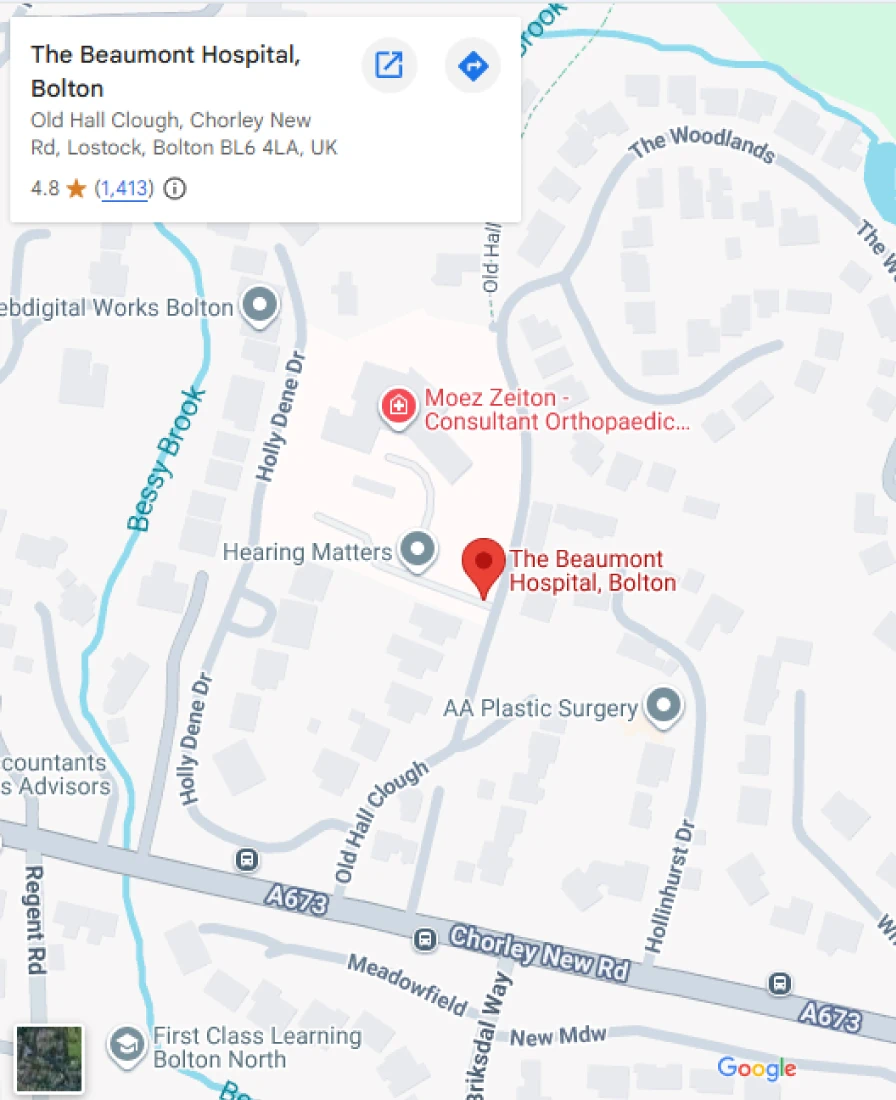
The Beaumont Hospital, Old Hall Clough, Chorley New Rd, Lostock, Bolton BL6 4LA, United Kingdom
Phone No: +44 1204404404
Timings:
Saturday: 8:30 AM - 12:30 PM
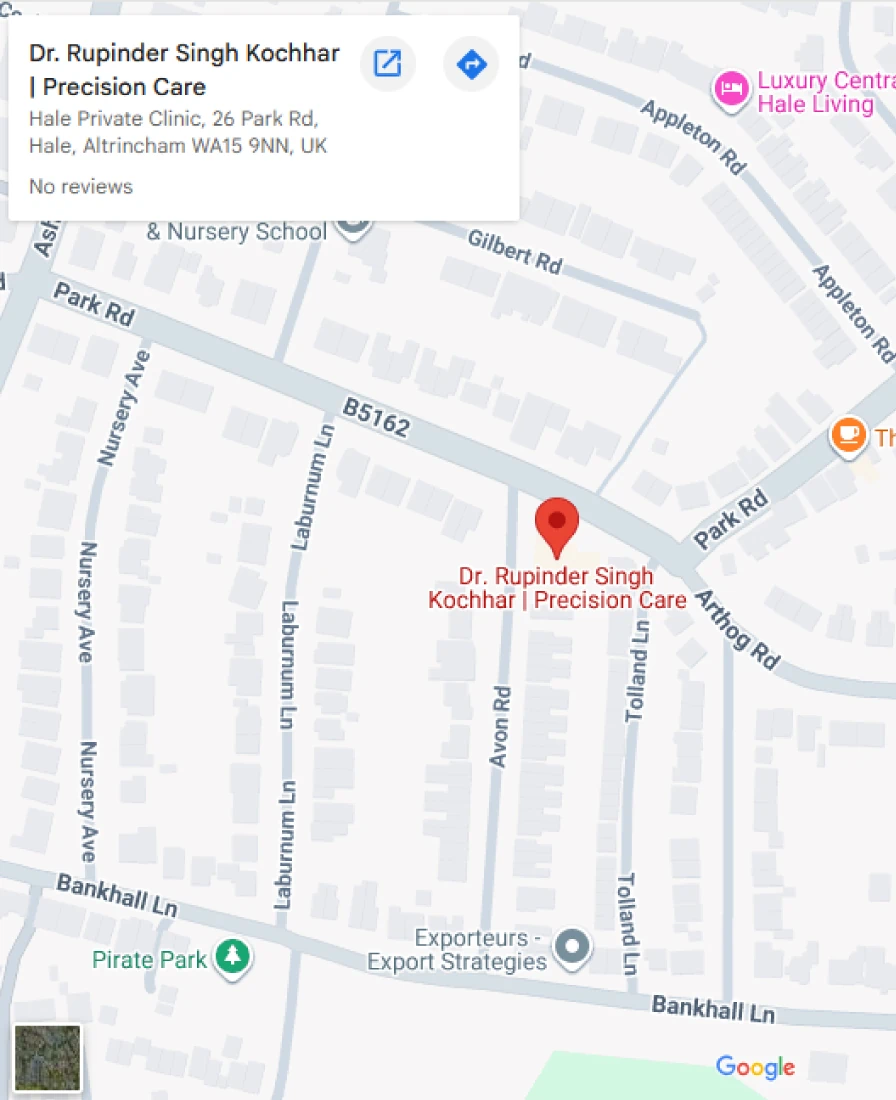
Hale Private Clinic, 26 Park Rd, Hale, Altrincham WA15 9NN, United Kingdom
Phone: +44 1613598889
Timings:
Friday: 1:00 PM - 3:00 PM
Patients may call the general office number to schedule appointments Monday through Friday, from 9:00 AM to 6:00 PM.
Specialised support for hormonal balance and diabetes to help you thrive.

© 2026 Precision Care. All rights reserved. | Privacy Policy | Website Design by Remedo