Polycystic Ovary Syndrome (PCOS)
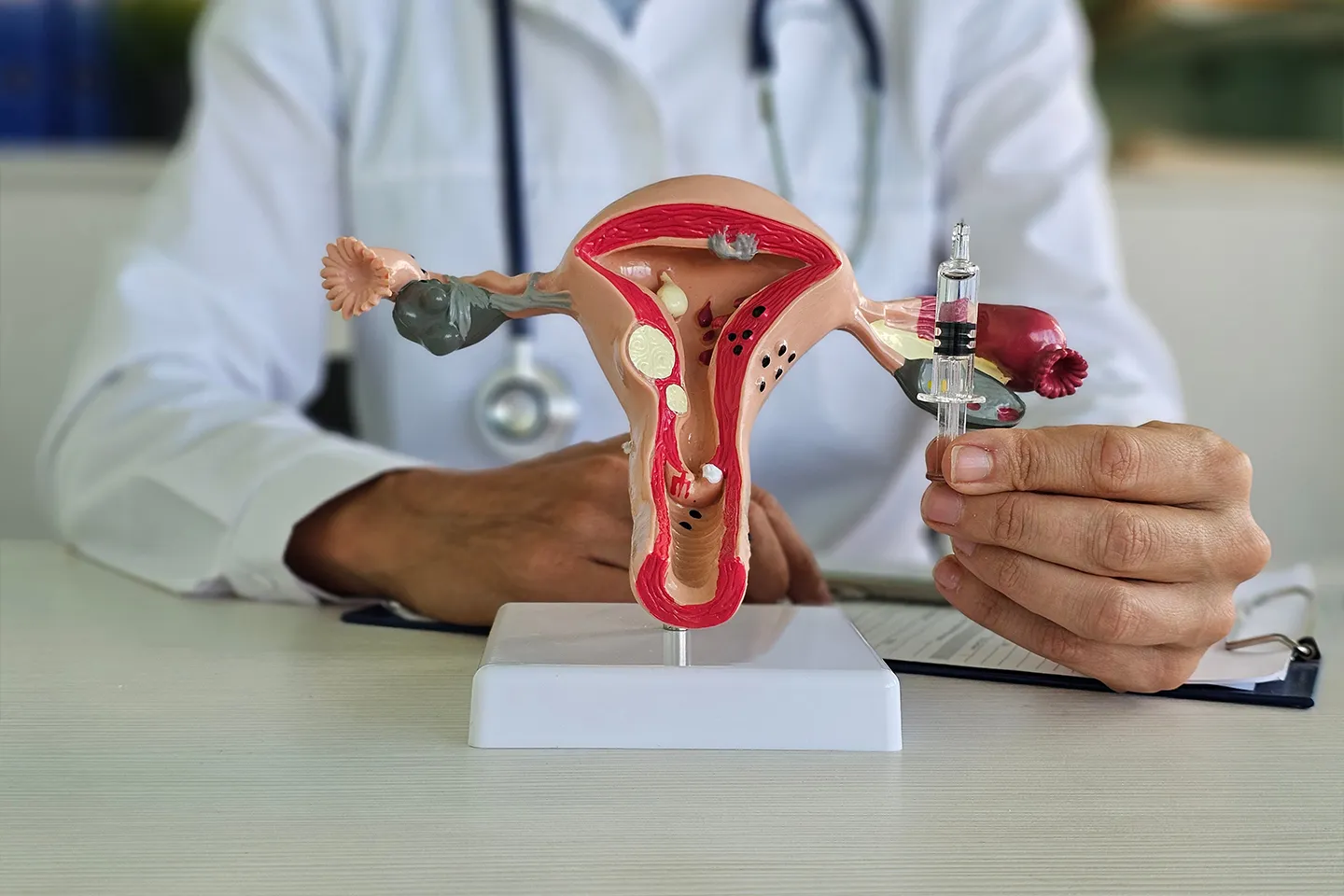
Polycystic Ovary Syndrome (PCOS) is one of the most common hormonal disorders affecting women of reproductive age. It can cause a range of symptoms, from irregular menstrual cycles to infertility and metabolic issues. Despite its prevalence, many women remain undiagnosed and unaware of its potential impact on their health.
What Is Polycystic Ovary Syndrome (PCOS)?
PCOS is a hormonal disorder that affects how the ovaries function. Women with PCOS often experience:
- Irregular or absent periods
- Elevated levels of male hormones (androgens)
- Small fluid-filled sacs (cysts) on the ovaries
These hormonal imbalances can lead to fertility problems, weight gain, acne, excessive hair growth, and metabolic issues.
Causes and Risk Factors of PCOS
The exact cause of PCOS is unknown, but several factors contribute to its development.
- Insulin Resistance: Many women with PCOS have insulin resistance, meaning their bodies do not respond properly to insulin. This leads to high insulin levels, which stimulate the ovaries to produce more androgens (male hormones), contributing to PCOS symptoms.
- Hormonal Imbalance: Women with PCOS have higher-than-normal levels of androgens (such as testosterone). This can cause irregular ovulation, excessive hair growth, and acne.
- Genetic Factors: PCOS often runs in families, suggesting a genetic link. If your mother or sister has PCOS, you may be at a higher risk.
- Chronic Inflammation: Women with PCOS often have low-grade inflammation, which may trigger excessive androgen production, worsening symptoms.
Common Symptoms of PCOS
PCOS symptoms vary from woman to woman, but the most common signs include:
- Irregular Menstrual Cycles – Missed, infrequent, or prolonged periods
- Excessive Hair Growth (Hirsutism) – Thick hair on the face, chest, or back
- Acne and Oily Skin – Due to increased androgen levels
- Thinning Hair or Hair Loss (Female Pattern Baldness)
- Weight Gain and Difficulty Losing Weight – Often linked to insulin resistance
- Dark Patches on the Skin (Acanthosis Nigricans) – Especially on the neck, armpits, or groin
- Polycystic Ovaries – Ovaries may appear enlarged with many small cysts, visible on an ultrasound
- Infertility or Difficulty Getting Pregnant – Due to irregular ovulation
Health Risks Associated with PCOS
If left untreated, PCOS can lead to several long-term health complications, including:
- Type 2 Diabetes – Due to insulin resistance
- High Blood Pressure and Heart Disease – Increased risk of cardiovascular problems
- Endometrial Cancer – Due to irregular periods and lack of ovulation
- Obesity – Worsens symptoms and increases other health risks
- Depression and Anxiety – Emotional stress caused by hormonal imbalances and body image issues
How Is PCOS Diagnosed?
There is no single test for PCOS. Diagnosis is based on a combination of medical history, physical examination, and laboratory tests, including:
- Medical History & Symptom Assessment – Evaluating menstrual cycles, weight changes, and signs of excess androgens
- Blood Tests – To check hormone levels, blood glucose, and cholesterol
- Ultrasound (Transvaginal Scan) – To examine the ovaries for cysts and check for irregular ovulation
A woman is typically diagnosed with PCOS if she meets at least two of the three following criteria:
- Irregular periods or absence of ovulation
- High androgen levels (confirmed by blood tests or physical symptoms like excessive hair growth or acne)
- Polycystic ovaries on ultrasound
PCOS and Mental Health
Many women with PCOS experience depression, anxiety, and body image issues due to hormonal imbalances and physical symptoms. Seeking support from a therapist, joining a support group, or practicing self-care and mindfulness can be helpful.
Conclusion
PCOS is a complex hormonal disorder that affects millions of women worldwide. While there is no cure, early diagnosis, lifestyle changes, and appropriate treatments can help manage symptoms effectively.
Get expert hormonal care at Precision Care. Book your consultation today!

Find Us Here
Trusted specialists dedicated to your long-term health.
Your Care Journey Begins Here


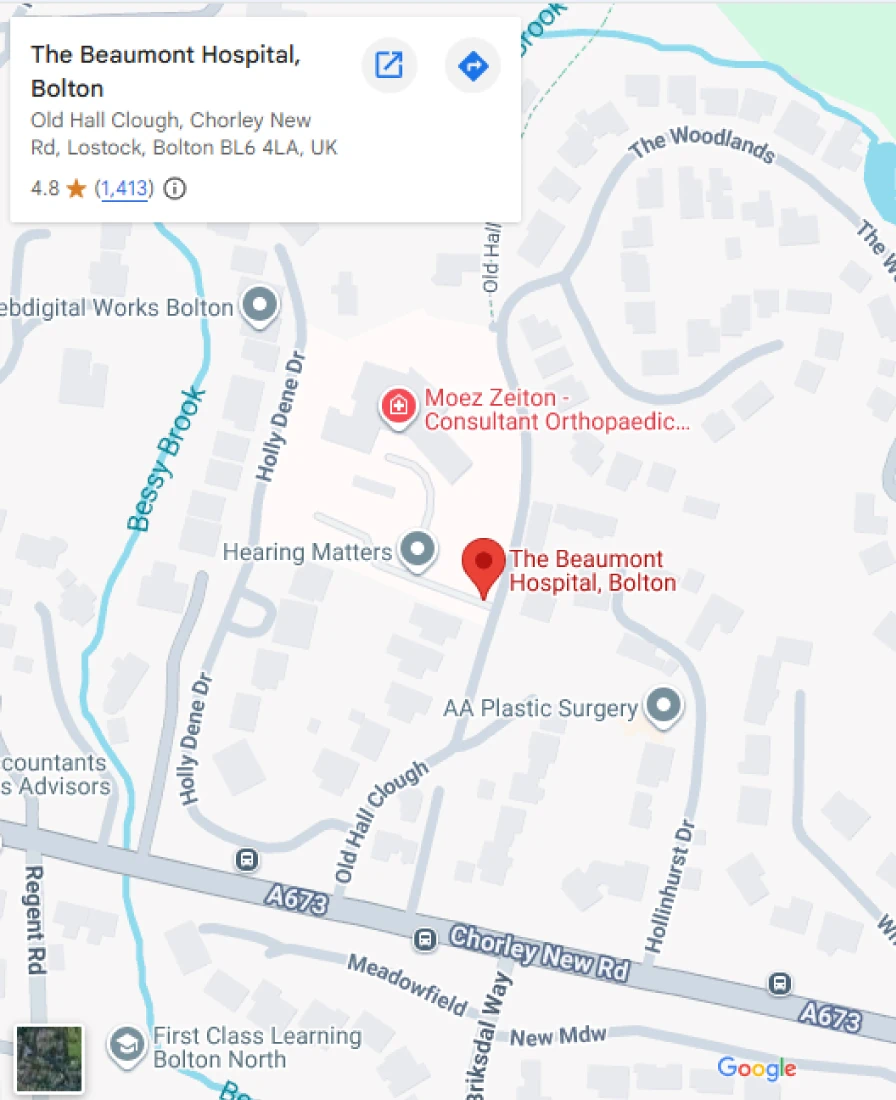
The Beaumont Hospital, Old Hall Clough, Chorley New Rd, Lostock, Bolton BL6 4LA, United Kingdom
Phone No: +44 1204404404
Timings:
Saturday: 8:30 AM - 12:30 PM
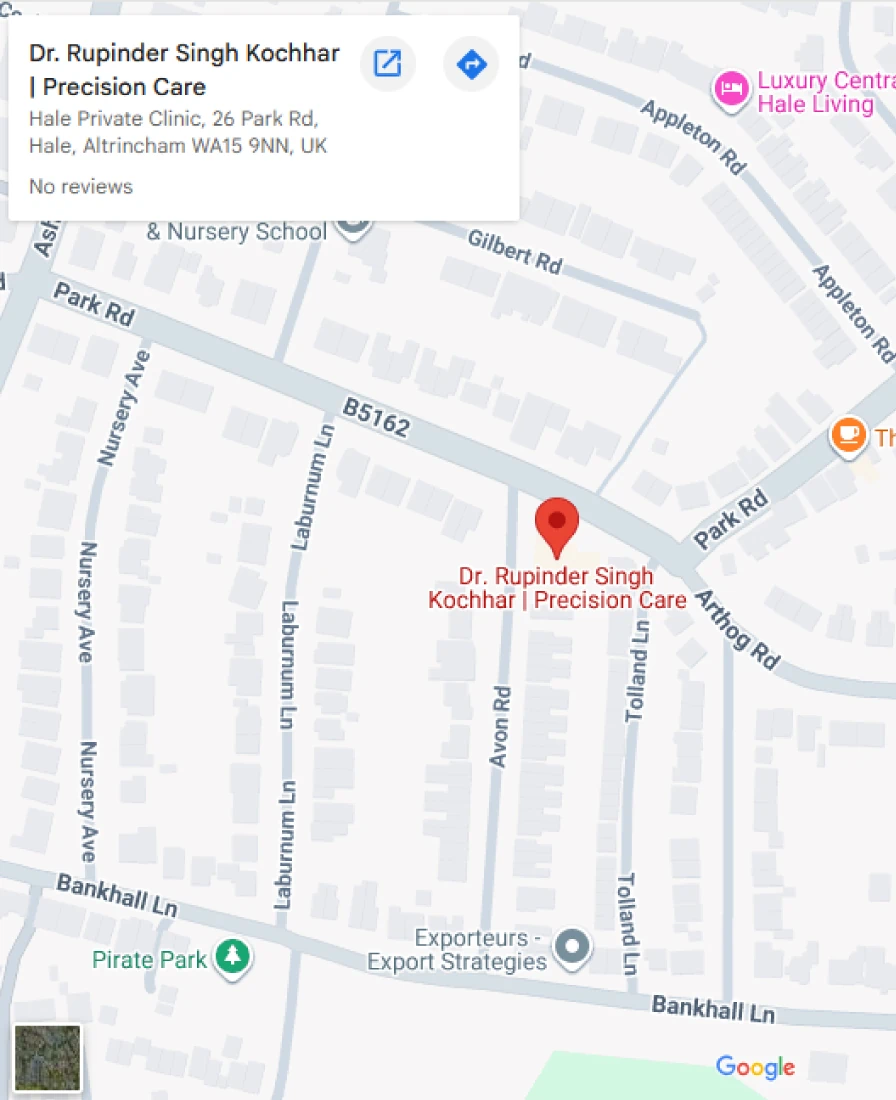
Hale Private Clinic, 26 Park Rd, Hale, Altrincham WA15 9NN, United Kingdom
Phone: +44 1613598889
Timings:
Friday: 1:00 PM - 3:00 PM
Patients may call the general office number to schedule appointments Monday through Friday, from 9:00 AM to 6:00 PM.
Specialised support for hormonal balance and diabetes to help you thrive.

© 2026 Precision Care. All rights reserved. | Privacy Policy | Website Design by Remedo