Hyperprolactinaemia & Prolactinoma
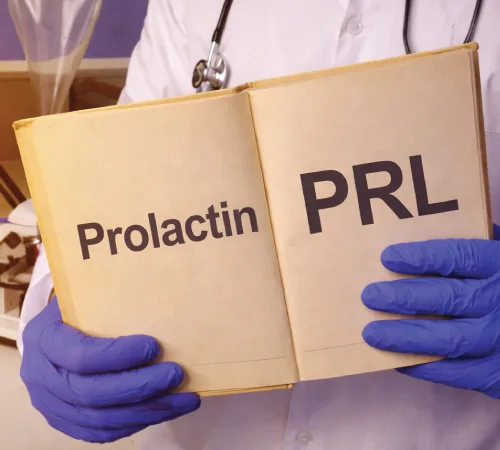
A prolactinoma is a noncancerous tumour (adenoma) of the pituitary gland that causes excessive production of prolactin, the hormone responsible for milk production. This hormonal imbalance can lead to disruptions in reproductive and metabolic functions, affecting both men and women.
While prolactinomas are usually benign and slow-growing, they can cause significant health issues if left untreated.
What Is a Prolactinoma?
A prolactinoma is a type of pituitary adenoma that overproduces prolactin. The pituitary gland, a small gland at the base of the brain, controls hormone production in the body.
Excess prolactin disrupts the normal function of sex hormones (estrogen and testosterone), leading to symptoms related to reproduction, metabolism and bone health.
Prolactinomas are categorised based on size:
- Microprolactinomas – Smaller than 10 mm in diameter.
- Macroprolactinomas – Larger than 10 mm, more likely to cause pressure-related symptoms.
Other Causes of Hyperprolactinemia
- Genetic predisposition – Conditions like Multiple Endocrine Neoplasia Type 1 (MEN1) can increase risk.
- Hypothyroidism (underactive thyroid) – Can cause elevated prolactin levels.
- Medications – Some drugs, such as antipsychotics and antidepressants, can increase prolactin levels.
Symptoms
The symptoms of prolactinoma depend on prolactin levels, tumour size, and gender.
Symptoms in Women:
- Irregular or absent menstrual cycles (amenorrhea)
- Unexplained breast milk production (galactorrhoea) without pregnancy or breastfeeding
- Infertility due to disrupted ovulation
- Decreased libido
- Vaginal dryness, leading to pain during intercourse
- Headaches and vision problems (if tumour is large)
Symptoms in Men:
- Reduced testosterone levels
- Erectile dysfunction and decreased libido.
- Infertility (low sperm count).
- Enlarged breast tissue (gynaecomastia).
- Loss of muscle mass and energy levels.
- Headaches and vision problems (due to tumour pressure on optic nerves).
Symptoms Due to Tumour Pressure (Large Tumours):
- Persistent headaches
- Vision disturbances (blurred vision or loss of peripheral vision).
- Nausea and vomiting (if tumour affects surrounding brain structures).
Complications
If left untreated, it can cause:
- Infertility – Disrupts ovulation and sperm production.
- Osteoporosis (bone loss) – Low estrogen or testosterone levels can weaken bones.
- Compression of the optic nerve – leading to vision loss.
- Pituitary insufficiency (hypopituitarism) – A large tumour may impair other pituitary hormones.
How Is Prolactinoma Diagnosed?
- Blood Tests: A prolactin blood test is the first step in diagnosis. High levels of prolactin suggest a prolactinoma, but other conditions (pregnancy, hypothyroidism, kidney disease) can also raise prolactin levels.
- MRI or CT scan: An MRI scan provides a detailed image of the pituitary gland, confirming tumour size and location. A CT scan is used when MRI is unavailable.
- Vision Tests: A visual field test checks for vision loss if a macroprolactinoma is pressing on the optic nerves.
- Hormone tests: Doctors may also check other pituitary hormones (thyroid hormones, cortisol, testosterone/estrogen) to assess pituitary function.
Lifestyle and Natural Remedies
While medications (Cabergoline, Bromocriptine & Quinagolide) are the primary treatment, certain lifestyle changes can support overall hormonal balance.
- Healthy diet – A diet rich in calcium and vitamin D supports bone health; avoid excessive sugar and processed foods.
- Regular exercise – Helps regulate hormones and reduces stress.
- Manage stress – Yoga, meditation and deep breathing can help balance dopamine levels.
- Get enough sleep – Proper rest helps maintain hormone balance.
Prolactinoma and Pregnancy
Women with prolactinoma who want to conceive should consult an endocrinologist. Key points to consider:
- Dopamine agonists can restore fertility but they may need to be stopped once pregnancy is confirmed.
- Regular monitoring is required as the tumour may grow due to pregnancy-related hormonal changes.
- Large prolactinomas may require continued medication or close observation during pregnancy.
Conclusion
Prolactinoma is a treatable condition and most patients respond well to medication, surgery or radiation. Early diagnosis and treatment can help prevent complications and restore normal hormone function.
If you experience irregular periods, unexplained lactation, or symptoms of low testosterone, seek medical evaluation. Proper management can significantly improve quality of life and overall wellbeing. Prolactin imbalance? Take the first step toward recovery, schedule your visit now!

Find Us Here
Trusted specialists dedicated to your long-term health.
Your Care Journey Begins Here


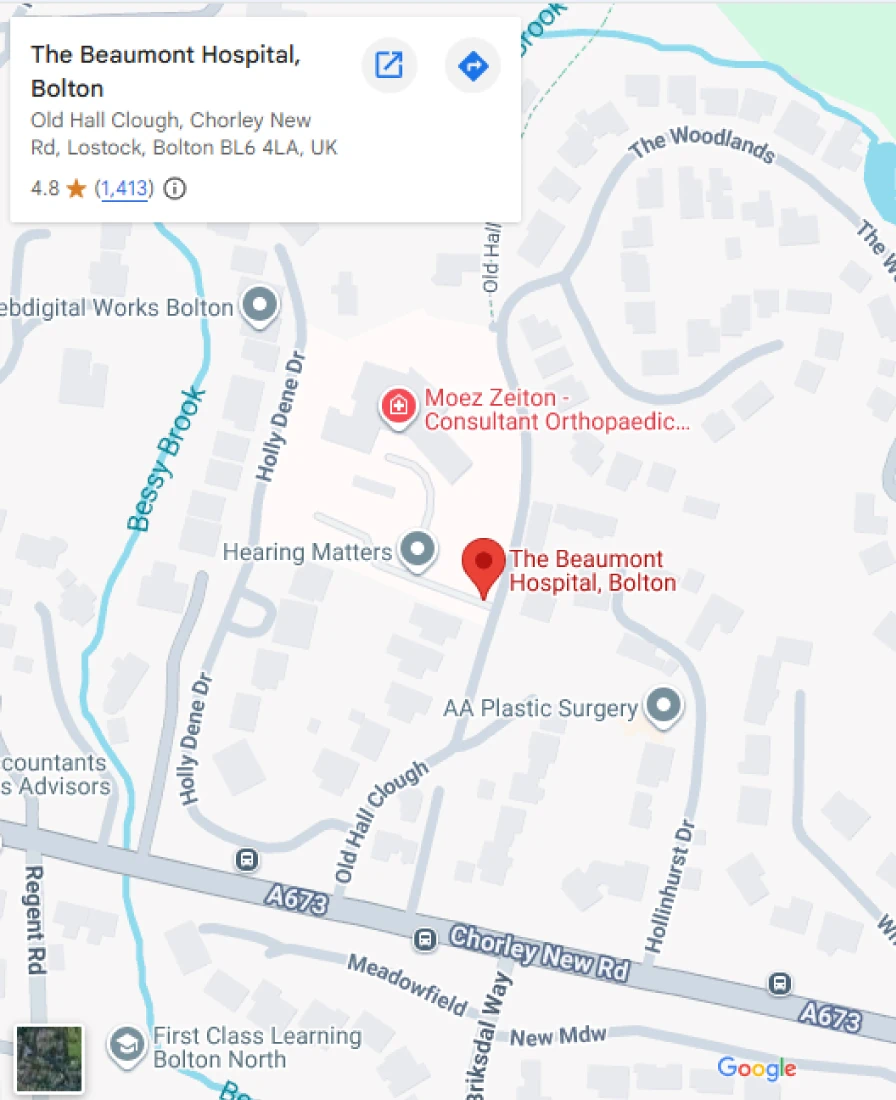
The Beaumont Hospital, Old Hall Clough, Chorley New Rd, Lostock, Bolton BL6 4LA, United Kingdom
Phone No: +44 1204404404
Timings:
Saturday: 8:30 AM - 12:30 PM
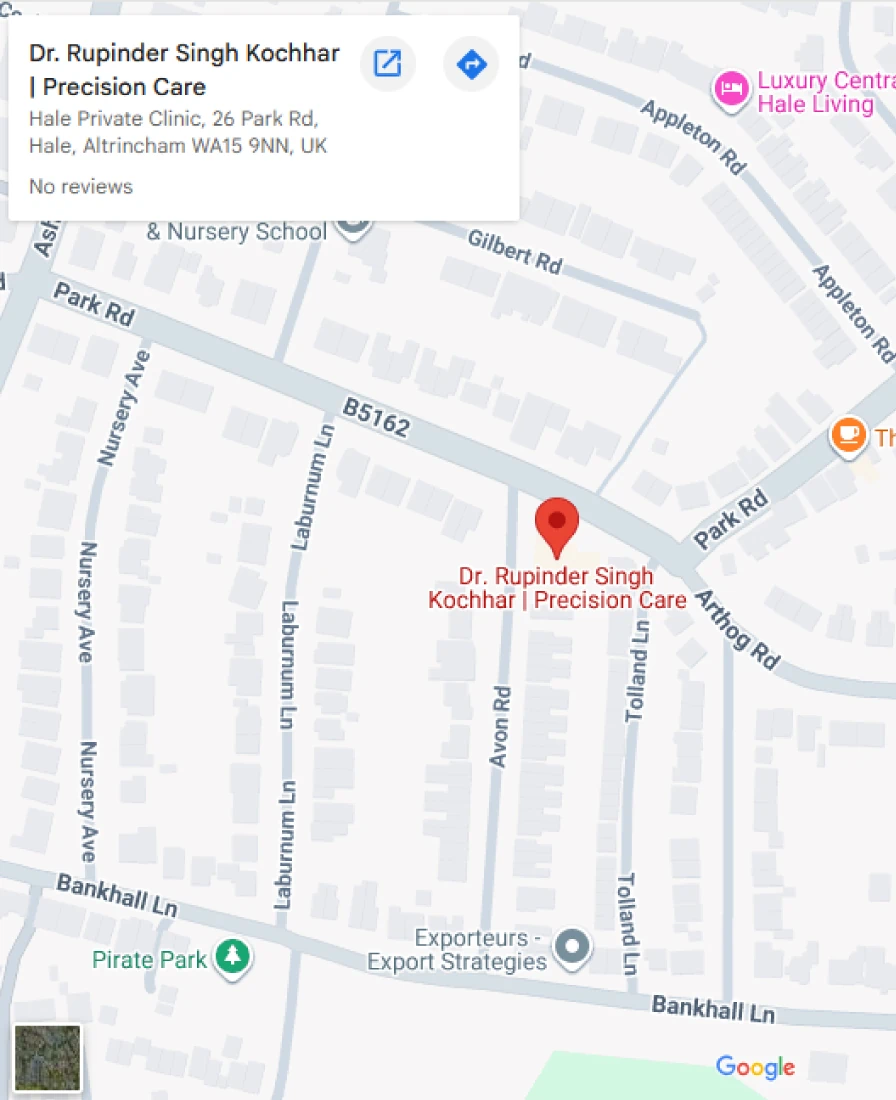
Hale Private Clinic, 26 Park Rd, Hale, Altrincham WA15 9NN, United Kingdom
Phone: +44 1613598889
Timings:
Friday: 1:00 PM - 3:00 PM
Patients may call the general office number to schedule appointments Monday through Friday, from 9:00 AM to 6:00 PM.

Specialised support for hormonal balance and diabetes to help you thrive.

© 2026 Precision Care. All rights reserved. | Privacy Policy | Website Design by Remedo