Testosterone Deficiency
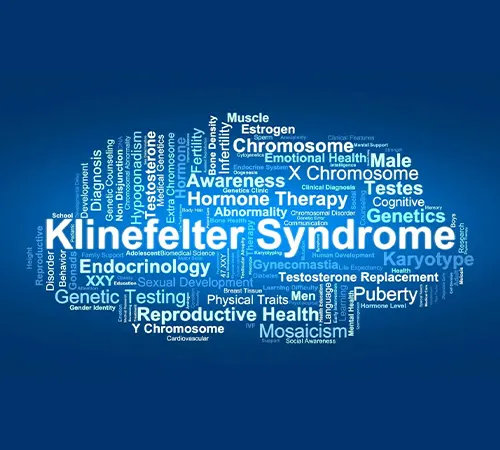
Testosterone is a key male hormone responsible for muscle mass, bone density, fat distribution, red blood cell production, and sexual function. Although it is primarily associated with men, women also produce small amounts. Testosterone deficiency occurs when the body produces insufficient levels of this hormone. It can affect energy levels, mood, libido, and overall health. Understanding the causes, symptoms, and treatment options can help manage the condition effectively.
Causes of Testosterone Deficiency
Testosterone levels naturally decline with age, but other factors can contribute to low levels, including the following:
1. Aging
Testosterone levels typically decrease by about 1% per year after the age of 30. While this is a natural process, a significant drop can lead to noticeable symptoms.
2. Medical Conditions
- Hypogonadism – A condition where the testes or pituitary gland fail to produce sufficient testosterone.
- Type 2 Diabetes and Obesity – Increased body fat can lead to hormone imbalances, reducing testosterone production.
- Chronic Illnesses – Conditions like kidney disease, liver disease, and HIV/AIDS can contribute to testosterone deficiency.
- Autoimmune Disorders – Diseases such as rheumatoid arthritis and lupus may impact hormone production.
3. Lifestyle Factors
- Poor Diet and Malnutrition – A diet low in essential nutrients, such as zinc and vitamin D, can affect testosterone production.
- Lack of Exercise – A sedentary lifestyle leads to increased body fat, which may reduce testosterone levels.
- Excessive Alcohol and Drug Use – Alcohol and certain drugs, including opioids and steroids, can suppress testosterone production.
- Chronic Stress – Elevated cortisol (stress hormone) levels can interfere with testosterone production.
4. Hormonal Imbalances and Pituitary Disorders
The pituitary gland controls testosterone production by releasing luteinizing hormone (LH). Any dysfunction in the pituitary gland can reduce testosterone levels.
Signs and Symptoms of Testosterone Deficiency
Low testosterone can lead to a wide range of physical, emotional, and cognitive symptoms, including:
1. Physical Symptoms
- Decreased muscle mass and strength – Reduced testosterone can make it harder to build and maintain muscle.
- Increased body fat – Especially around the abdomen, sometimes leading to gynecomastia (enlarged breast tissue).
- Reduced bone density – Increases the risk of osteoporosis and fractures.
- Fatigue and low energy levels – Persistent tiredness and reduced stamina.
- Hair loss – Thinning hair on the scalp and body.
2. Sexual and Reproductive Symptoms
- Reduced libido (sex drive) – A decline in sexual desire and performance.
- Erectile dysfunction – Difficulty achieving or maintaining erections.
- Reduced sperm production and fertility issues – Low testosterone can affect sperm count and quality.
3. Mental and Emotional Symptoms
- Depression, irritability, and mood swings – Hormonal imbalances can impact mental health.
- Difficulty concentrating and memory problems – Often referred to as "brain fog."
- Lack of motivation and reduced confidence – Can affect daily activities and personal relationships.
Diagnosis of Testosterone Deficiency
Since symptoms of low testosterone can overlap with other conditions, proper diagnosis is essential.
1. Medical History and Physical Examination
A doctor will assess your symptoms, lifestyle habits, and underlying medical conditions that may contribute to testosterone deficiency.
2. Blood Tests
- Total Testosterone Test – Measures the overall testosterone level in the bloodstream.
- Free Testosterone Test – Determines the amount of testosterone available for use in the body.
- Luteinizing Hormone (LH) Test – Helps identify if the problem is due to testicular failure or pituitary dysfunction.
- Prolactin Levels – High prolactin may indicate a pituitary tumor affecting hormone production.
3. Additional Tests (If Needed)
- Bone Density Scan – Checks for osteoporosis if testosterone deficiency is suspected to affect bone health.
- Semen Analysis – Assesses fertility in men experiencing reproductive issues.
Treatment and Management
The treatment approach depends on the severity of symptoms, underlying causes, and patient preferences.
1. Lifestyle Modifications
- Regular Exercise – Strength training and high-intensity workouts can naturally boost testosterone levels.
- Healthy Diet – Foods rich in zinc (oysters, nuts, seeds), vitamin D (fatty fish, eggs, sunlight), and healthy fats (avocados, olive oil), support testosterone production.
- Weight Management – Losing excess weight, especially belly fat, can improve testosterone levels.
- Stress Reduction – Meditation, yoga, and sufficient sleep help lower cortisol levels, which can support testosterone production.
2. Testosterone Replacement Therapy (TRT)
For men with significantly low testosterone levels, TRT can help restore hormone balance. Common methods include:
- Injections – Given every few weeks to months depending on the preparation to maintain stable testosterone levels.
- Gels – Absorbed through the skin, providing a steady hormone supply.
Note: TRT should only be used under medical supervision, as it may have side effects such as acne, fluid retention, blood clots, and prostate enlargement.
3. Treatment of Underlying Conditions
If testosterone deficiency is caused by diabetes, thyroid disorders or pituitary gland dysfunction, treating the root cause can help restore hormone balance.
Conclusion
Testosterone deficiency can significantly affect physical health, mental wellbeing and quality of life. While aging naturally lowers testosterone levels, medical conditions and lifestyle factors can accelerate the decline. Early diagnosis, lifestyle changes, and medical interventions can help manage symptoms and restore hormonal balance. If you experience symptoms of low testosterone, consulting a doctor for proper evaluation and treatment is essential.
Is low testosterone impacting your energy and well-being? Get personalised treatment today. Schedule your appointment now!

Find Us Here
Trusted specialists dedicated to your long-term health.
Your Care Journey Begins Here


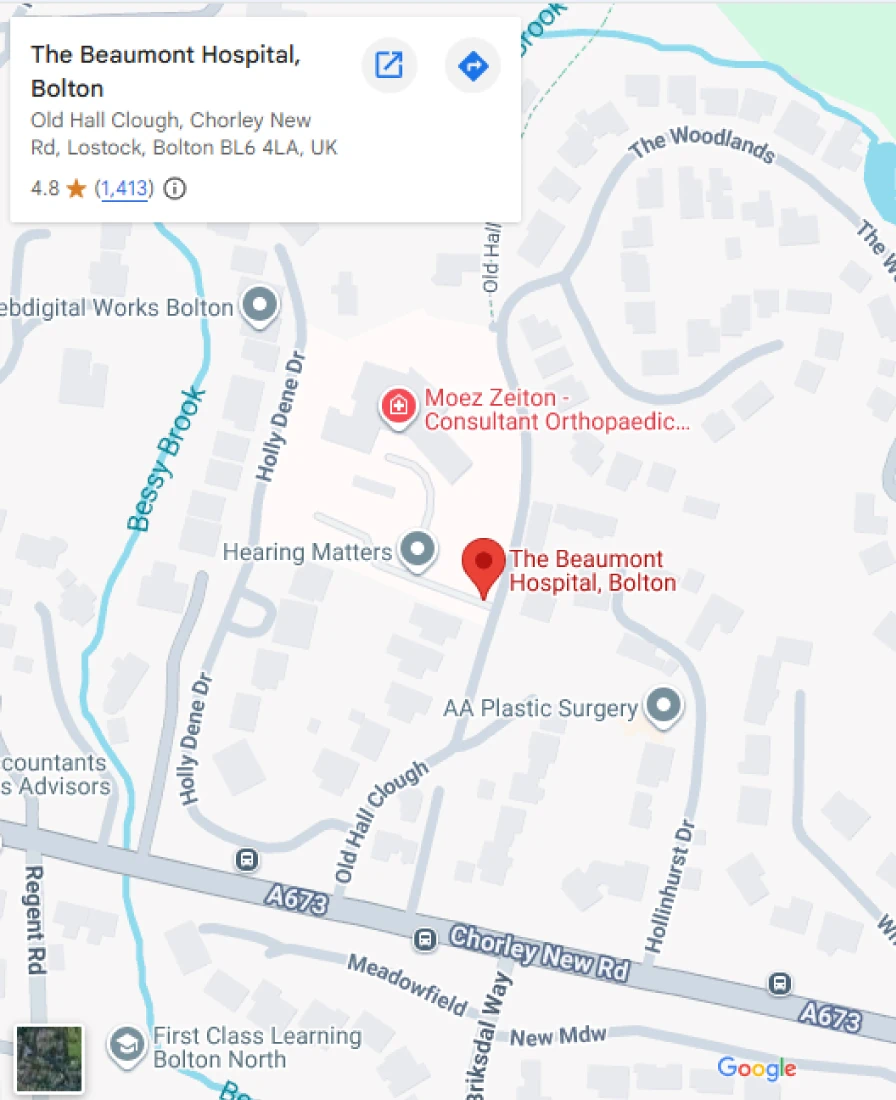
The Beaumont Hospital, Old Hall Clough, Chorley New Rd, Lostock, Bolton BL6 4LA, United Kingdom
Phone No: +44 1204404404
Timings:
Saturday: 8:30 AM - 12:30 PM
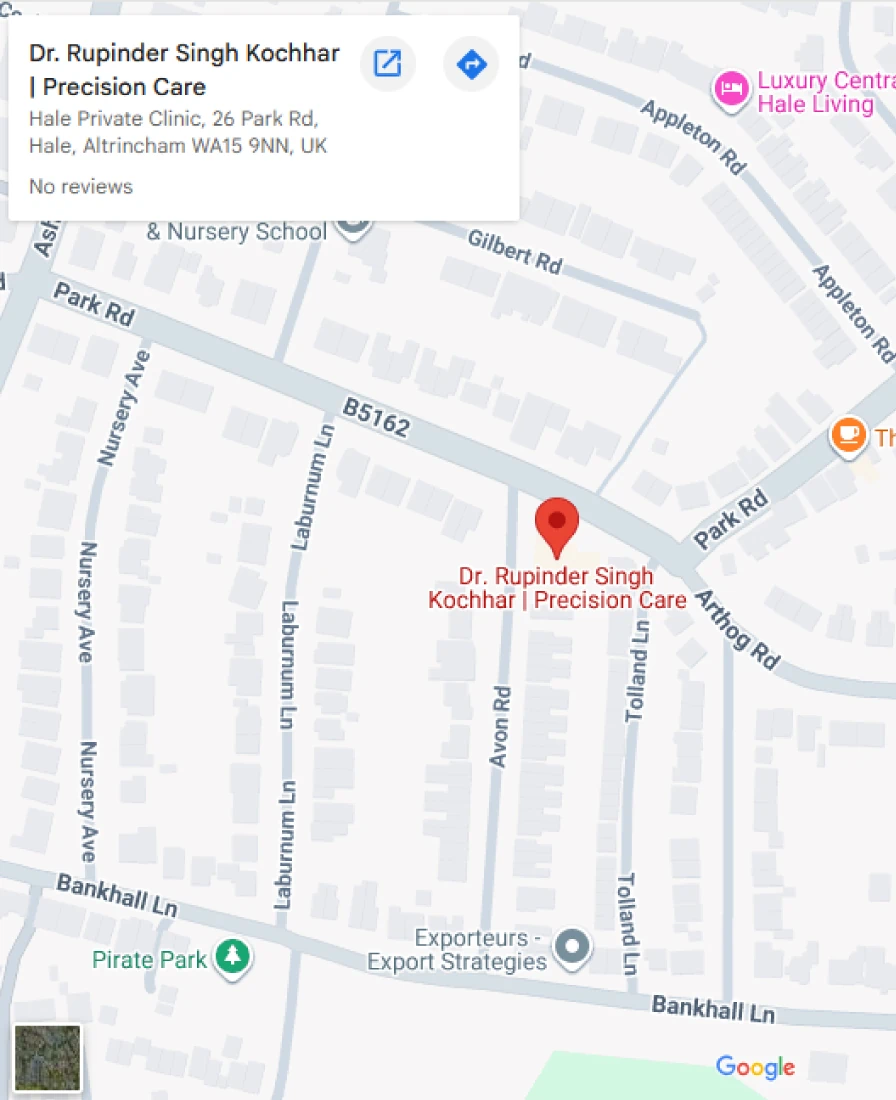
Hale Private Clinic, 26 Park Rd, Hale, Altrincham WA15 9NN, United Kingdom
Phone: +44 1613598889
Timings:
Friday: 1:00 PM - 3:00 PM
Patients may call the general office number to schedule appointments Monday through Friday, from 9:00 AM to 6:00 PM.

Specialised support for hormonal balance and diabetes to help you thrive.

© 2026 Precision Care. All rights reserved. | Privacy Policy | Website Design by Remedo