Type 1 Diabetes

Type 1 diabetes is a chronic autoimmune condition in which the immune system mistakenly attacks the insulin-producing beta cells in the pancreas. This leads to little or no insulin production, causing high blood glucose levels. Effective management is essential to prevent complications and maintain a healthy life.
Causes of Type 1 Diabetes
Type 1 diabetes occurs when the immune system destroys insulin-producing cells in the pancreas. While the exact cause is unknown, several factors contribute to its development:
- Autoimmune Reaction: The body’s immune system mistakenly attacks the pancreatic beta cells responsible for producing insulin. This process can occur over months or years before symptoms appear.
- Genetic Factors: A family history of Type 1 diabetes increases the risk. Certain genetic markers, particularly variations in the HLA (human leukocyte antigen) genes, are linked to a higher likelihood of developing the condition.
- Environmental Triggers: Certain viral infections, such as enteroviruses or coxsackievirus, may trigger the autoimmune response leading to Type 1 diabetes in genetically predisposed individuals. Other environmental factors, like early exposure to cow’s milk or lack of vitamin D, are being studied for possible links.
Signs and Symptoms of Type 1 Diabetes
Type 1 diabetes symptoms often develop suddenly and rapidly over a few weeks. Common signs include:
- Excessive thirst and frequent urination – High blood glucose levels cause the kidneys to work harder, leading to increased urination and dehydration.
- Extreme hunger and unintended weight loss – Since the body cannot use glucose for energy, it breaks down fat and muscle, leading to weight loss despite increased appetite.
- Fatigue and weakness – The lack of insulin prevents glucose from entering cells, causing low energy levels.
- Blurred vision – High blood glucose can cause swelling in the eye’s lens, leading to temporary vision problems.
- Slow-healing wounds and frequent infections – High glucose levels weaken the immune system, making it harder for the body to fight infections and heal wounds.
- Fruity-smelling breath, nausea, and vomiting – These symptoms may indicate diabetic ketoacidosis (DKA), a life-threatening complication that occurs when the body starts breaking down fat for energy due to a lack of insulin.
Diagnosis of Type 1 Diabetes
Doctors use several tests to diagnose Type 1 diabetes, including:
- Fasting Blood Glucose Sugar Test – Measures blood glucose levels after an overnight fast. A result of 7.0 mmol/L or higher suggests diabetes.
- Random Blood Glucose Test – A blood sample taken at any time showing 11.1 mmol/L or higher, along with symptoms, indicates diabetes.
- HbA1c Test – Measures average blood glucose levels over 2–3 months. A result of 48 mmol/mol or higher confirms diabetes.
- Autoantibody Testing – Detects immune system markers that indicate an autoimmune attack on the pancreas.
- Ketone Test – Checks for ketones in urine or blood, which may signal diabetic ketoacidosis.
Treatment and Management
1. Insulin Therapy
Since people with Type 1 diabetes produce little or no insulin, they require lifelong insulin therapy. Insulin can be administered through:
- Multiple daily injections (MDI) – A combination of long-acting and rapid-acting insulin to maintain stable blood glucose levels.
- Insulin pumps and hybrid closed-loop therapy – A device that delivers insulin continuously throughout the day and makes automatic adjustments to insulin delivery based on real time glucose changes.
2. Blood Glucose Monitoring
Frequent monitoring helps maintain stable glucose levels and prevent complications. Methods include:
- Fingerstick tests using a glucose meter
- Continuous Glucose Monitoring (CGM) systems that track blood glucose levels in real-time
3. Diet and Nutrition
A well-balanced diet helps regulate blood glucose levels. Key recommendations include:
- Carbohydrate counting to determine insulin doses
- Consuming fibre-rich foods, such as vegetables, whole grains, and legumes, to slow glucose absorption
- Limiting sugary and processed foods to prevent blood glucose spikes
4. Regular Physical Activity
Exercise helps improve insulin sensitivity and overall health. However, individuals with Type 1 diabetes must monitor blood glucose before, during, and after exercise to avoid hypoglycaemia (low blood glucose).
5. Managing Hypoglycaemia and Hyperglycaemia
- Hypoglycaemia (low blood glucose) – Symptoms include dizziness, sweating, shakiness, and confusion. It can be treated with fast-acting glucose, such as fruit juice or glucose tablets.
- Hyperglycaemia (high blood glucose) – Symptoms include thirst, frequent urination, and fatigue. Adjusting insulin dosage, staying hydrated, and exercising can help manage high blood glucose levels.
Complications of Untreated Type 1 Diabetes
If not properly managed, Type 1 diabetes can lead to serious long-term complications, including:
- Diabetic Ketoacidosis (DKA) – A medical emergency where the body produces high levels of ketones, leading to dehydration and acid buildup in the blood.
- Neuropathy (nerve damage) – Persistent high blood glucose can damage nerves, causing numbness, tingling, and pain, especially in the feet.
- Retinopathy (eye damage) – High blood glucose can affect blood vessels in the eyes, potentially leading to vision loss.
- Kidney Disease (Diabetic Nephropathy) – Damage to the kidneys can lead to kidney failure over time.
- Cardiovascular Disease – People with diabetes have a higher risk of heart disease, high blood pressure, and stroke.
Conclusion
Type 1 diabetes is a lifelong condition that requires careful management through insulin therapy, blood glucose monitoring, a healthy diet and regular exercise. Early diagnosis and proper treatment can help prevent complications and improve quality of life. With the right care, individuals with Type 1 diabetes can lead full and active lives.

Find Us Here
Trusted specialists dedicated to your long-term health.
Your Care Journey Begins Here


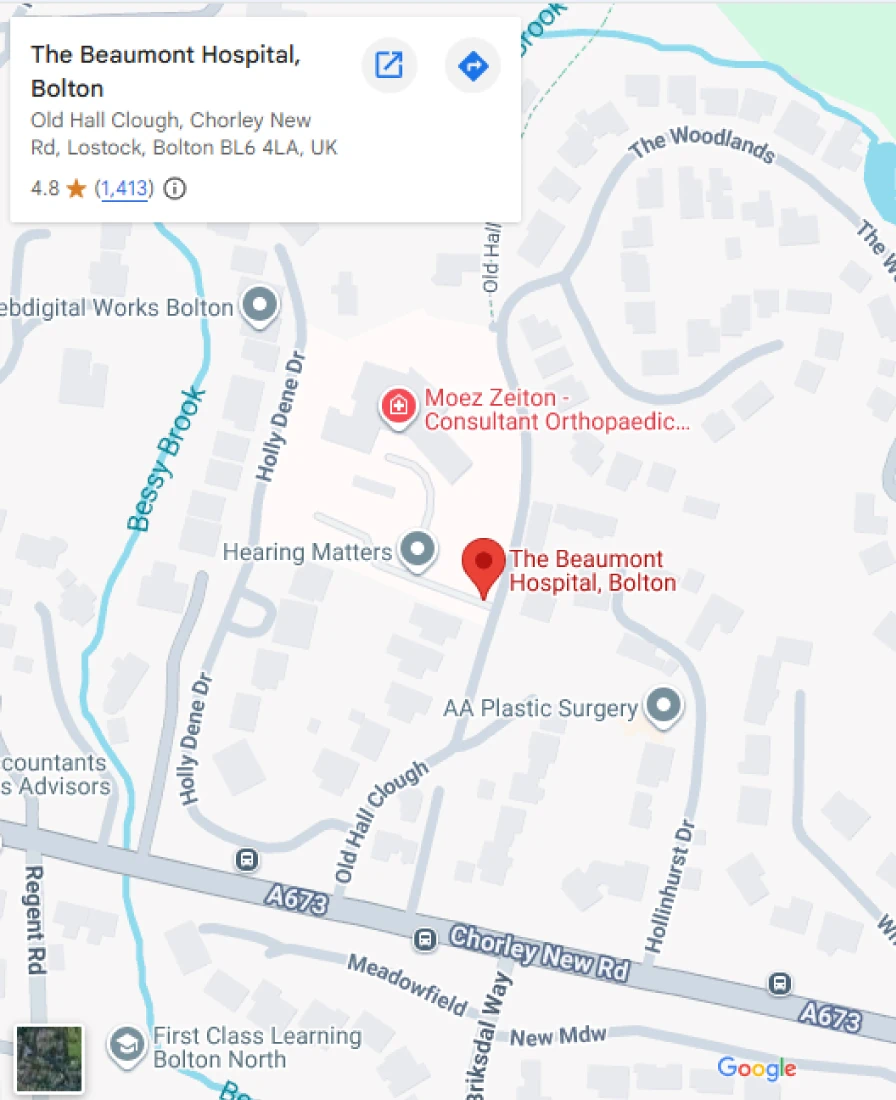
The Beaumont Hospital, Old Hall Clough, Chorley New Rd, Lostock, Bolton BL6 4LA, United Kingdom
Phone No: +44 1204404404
Timings:
Saturday: 8:30 AM - 12:30 PM
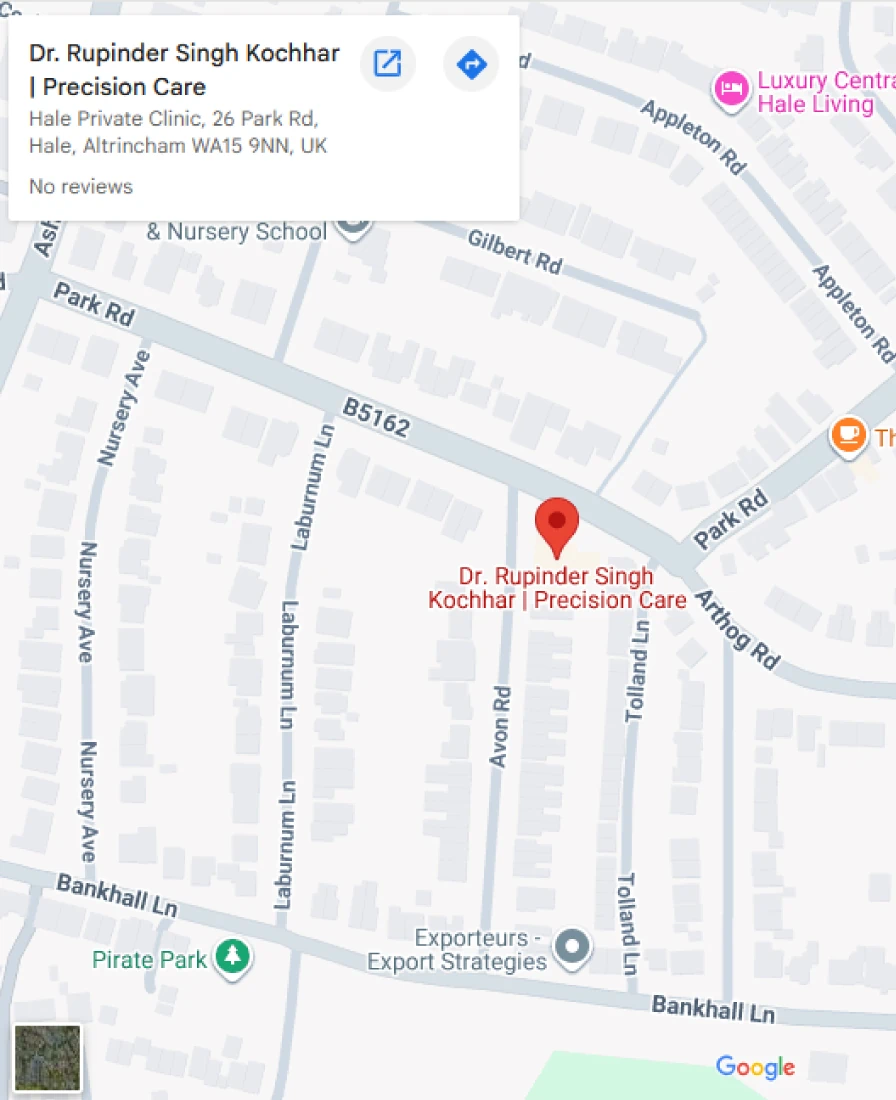
Hale Private Clinic, 26 Park Rd, Hale, Altrincham WA15 9NN, United Kingdom
Phone: +44 1613598889
Timings:
Friday: 1:00 PM - 3:00 PM
Patients may call the general office number to schedule appointments Monday through Friday, from 9:00 AM to 6:00 PM.

Specialised support for hormonal balance and diabetes to help you thrive.

© 2026 Precision Care. All rights reserved. | Privacy Policy | Website Design by Remedo