Type 2 Diabetes

Type 2 diabetes is a chronic condition that affects how the body processes blood glucose. It occurs when the body becomes resistant to insulin or doesn’t produce enough insulin to maintain normal glucose levels. This leads to high blood glucose levels, which can cause long-term health complications if not managed properly.
Causes and Risk Factors
Type 2 diabetes develops due to a combination of genetic and lifestyle factors, including:
- Insulin resistance: The body’s cells stop responding effectively to insulin, leading to elevated blood glucose levels.
- Obesity: Excess weight, particularly around the abdomen, increases insulin resistance.
- Sedentary lifestyle: Lack of physical activity contributes to poor glucose metabolism.
- Unhealthy diet: High consumption of processed foods, sugary drinks, and unhealthy fats can raise the risk.
- Family history: A family history of diabetes increases the likelihood of developing the condition.
- Age: The risk of type 2 diabetes increases after age 45, although it is becoming more common in younger adults and children.
- Polycystic ovary syndrome (PCOS): Women with PCOS have a higher risk of insulin resistance and diabetes.
Common Symptoms of Type 2 Diabetes
- Increased thirst and frequent urination
- Unexplained weight loss or gain
- Fatigue and sluggishness
- Blurred vision
- Slow-healing wounds or infections
- Tingling or numbness in the hands and feet
Complications of Uncontrolled Diabetes
If left unmanaged, type 2 diabetes can lead to severe complications, including:
- Heart disease and stroke: High blood glucose can damage blood vessels and increase cardiovascular risk.
- Kidney disease: Diabetes is a leading cause of chronic kidney disease and kidney failure.
- Nerve damage (neuropathy): Prolonged high blood glucose can cause nerve damage, leading to pain and numbness.
- Eye problems: Increased risk of cataracts, glaucoma, and diabetic retinopathy.
- Foot problems: Poor circulation and nerve damage can lead to ulcers and infections.
Diagnostic Approach
At Precision Care: Endocrinology & Diabetes, we use the following tests to diagnose and monitor type 2 diabetes:
- Fasting blood glucose test to measure blood glucose levels after fasting.
- HbA1c test to assess average blood glucose levels over the past 2-3 months.
- Oral glucose tolerance test (OGTT) to evaluate how the body processes sugar.
- Lipid profile to check cholesterol and triglyceride levels.
Why Choose Us?
At Precision Care: Endocrinology & Diabetes, we provide:
- Expert guidance on diabetes management
- Personalised care plans tailored to individual health needs
- Comprehensive diagnostic and monitoring services
- A patient-centred approach focusing on long-term well-being
If you have concerns about type 2 diabetes, early diagnosis and management can help prevent complications and improve your overall quality of life. Contact us today for expert care.

Find Us Here
Trusted specialists dedicated to your long-term health.
Your Care Journey Begins Here


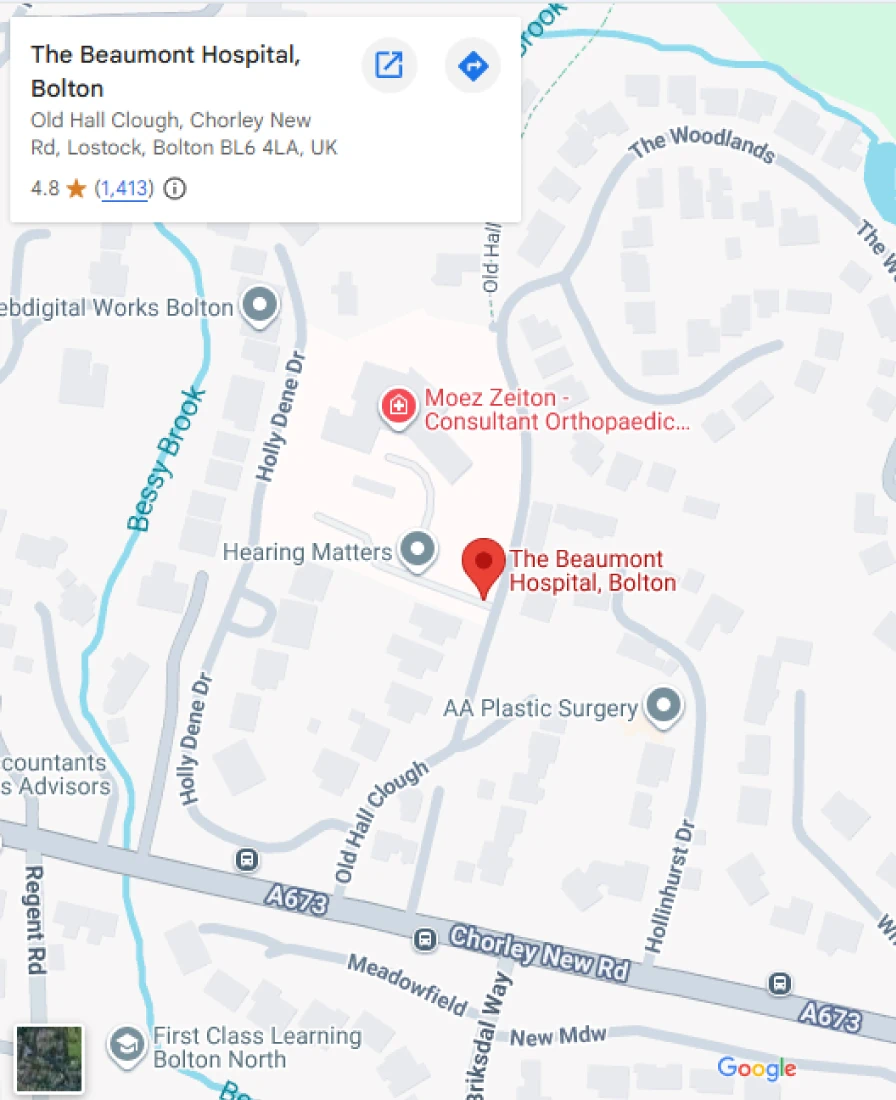
The Beaumont Hospital, Old Hall Clough, Chorley New Rd, Lostock, Bolton BL6 4LA, United Kingdom
Phone No: +44 1204404404
Timings:
Saturday: 8:30 AM - 12:30 PM
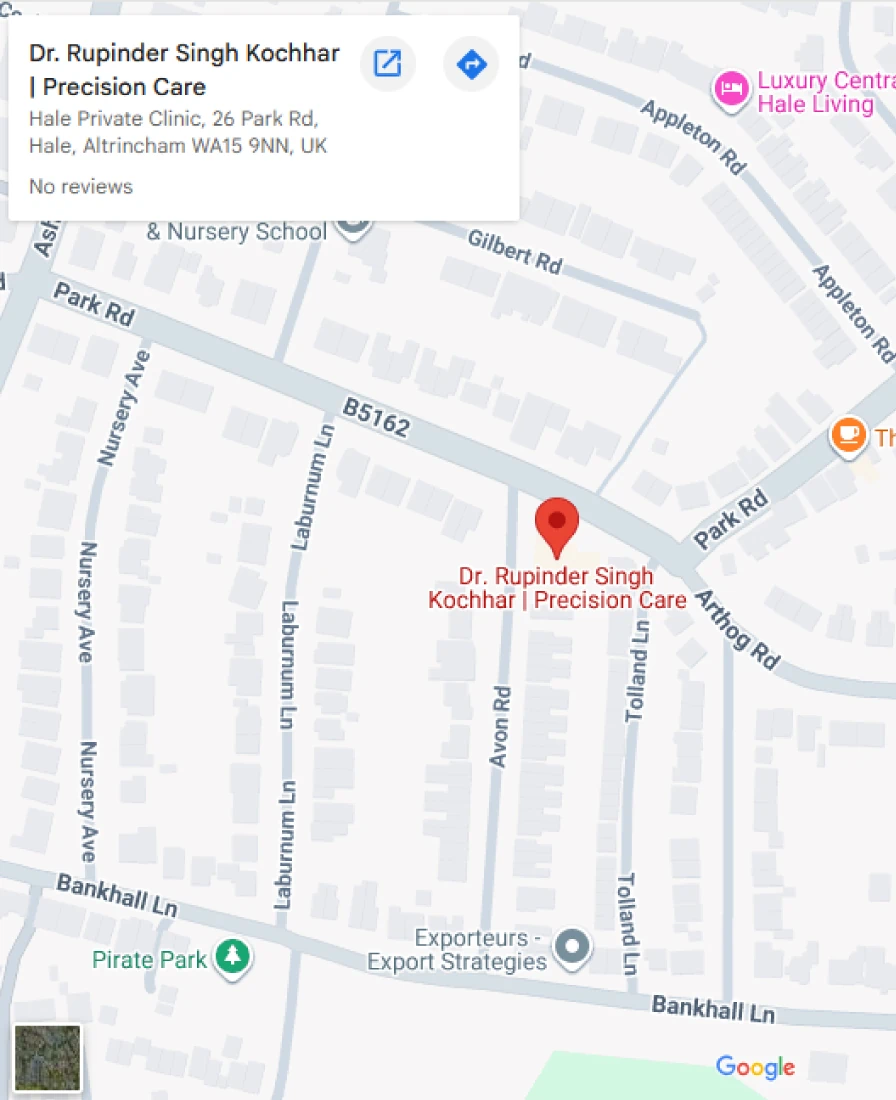
Hale Private Clinic, 26 Park Rd, Hale, Altrincham WA15 9NN, United Kingdom
Phone: +44 1613598889
Timings:
Friday: 1:00 PM - 3:00 PM
Patients may call the general office number to schedule appointments Monday through Friday, from 9:00 AM to 6:00 PM.
Specialised support for hormonal balance and diabetes to help you thrive.

© 2026 Precision Care. All rights reserved. | Privacy Policy | Website Design by Remedo