Vitamin D Deficiency

Vitamin D plays a vital role in maintaining bone health, immune function, and overall well-being. It aids in calcium and phosphorus absorption, essential for strong bones. A deficiency can lead to weakened bones, muscle weakness, fatigue, and increased susceptibility to infections. This article explores the causes, symptoms, diagnosis, and treatment of vitamin D deficiency.
Causes of Vitamin D Deficiency
Vitamin D deficiency occurs due to insufficient sunlight exposure, poor dietary intake, or medical conditions that impair absorption.
- Limited Sun Exposure: Sunlight is the primary source of vitamin D. Individuals who spend most of their time indoors, live in regions with limited sunlight, or frequently use sunscreen may not produce enough vitamin D. People with darker skin also synthesise less vitamin D due to higher melanin levels.
- Inadequate Dietary Intake: Few foods naturally contain vitamin D. Those who do not consume fatty fish, egg yolks, fortified dairy products, or plant-based milk alternatives are at higher risk of deficiency. Vegans and vegetarians face an increased risk due to limited plant-based sources.
- Medical Conditions Affecting Absorption: Certain conditions, such as Crohn’s disease, coeliac disease, and liver or kidney disorders, can impair vitamin D absorption or activation in the body. Obesity also affects vitamin D availability, as excess fat stores it, making it less accessible.
Signs and Symptoms of Vitamin D Deficiency
Vitamin D deficiency often develops gradually and may go unnoticed. Common symptoms include bone pain, muscle weakness, and fatigue, which can interfere with daily activities. A weakened immune system can lead to frequent infections, while slow wound healing and hair loss may also be present. Severe deficiency increases the risk of osteoporosis and fractures in adults and can cause rickets in children, leading to bone deformities.
Diagnosis of Vitamin D Deficiency
A blood test measuring 25-hydroxyvitamin D (25(OH)D) levels is used to diagnose vitamin D status.
- Levels below 25 nmol/L: Indicate deficiency and increased risk of bone disease.
- Levels between 25 and 50 nmol/L: May be considered insufficient or borderline.
- Levels above 50 nmol/L: Are generally regarded as adequate for bone and overall health.
Treatment and Prevention
- Sunlight Exposure: Spending 15–30 minutes in direct sunlight at least three times a week can help boost vitamin D levels. People in colder climates or with darker skin may require longer exposure.
- Dietary Sources: A diet rich in fatty fish, egg yolks, fortified dairy, and plant-based alternatives can help prevent deficiency. Mushrooms exposed to sunlight also provide vitamin D.
- Vitamin D Supplements: For those unable to meet their needs through sunlight and diet, supplementation is recommended. Daily intake of 800–1200 IU is sufficient for most individuals, while severe deficiency may require higher doses under medical supervision.
Complications of Untreated Deficiency
Long-term vitamin D deficiency can lead to osteoporosis, fractures, muscle weakness, and an increased risk of chronic diseases such as heart disease and diabetes. Children may develop rickets, resulting in skeletal deformities.
Conclusion
Vitamin D is essential for bone strength, immunity, and overall health. Ensuring adequate sun exposure, a balanced diet, and supplementation when needed can prevent deficiency and its complications. Early detection and proper management improve overall well-being and quality of life.

Find Us Here
Trusted specialists dedicated to your long-term health.

Your Care Journey Begins Here


The Beaumont Hospital, Old Hall Clough, Chorley New Rd, Lostock, Bolton BL6 4LA, United Kingdom
Phone No: +44 1204404404
Timings:
Saturday: 8:30 AM - 12:30 PM
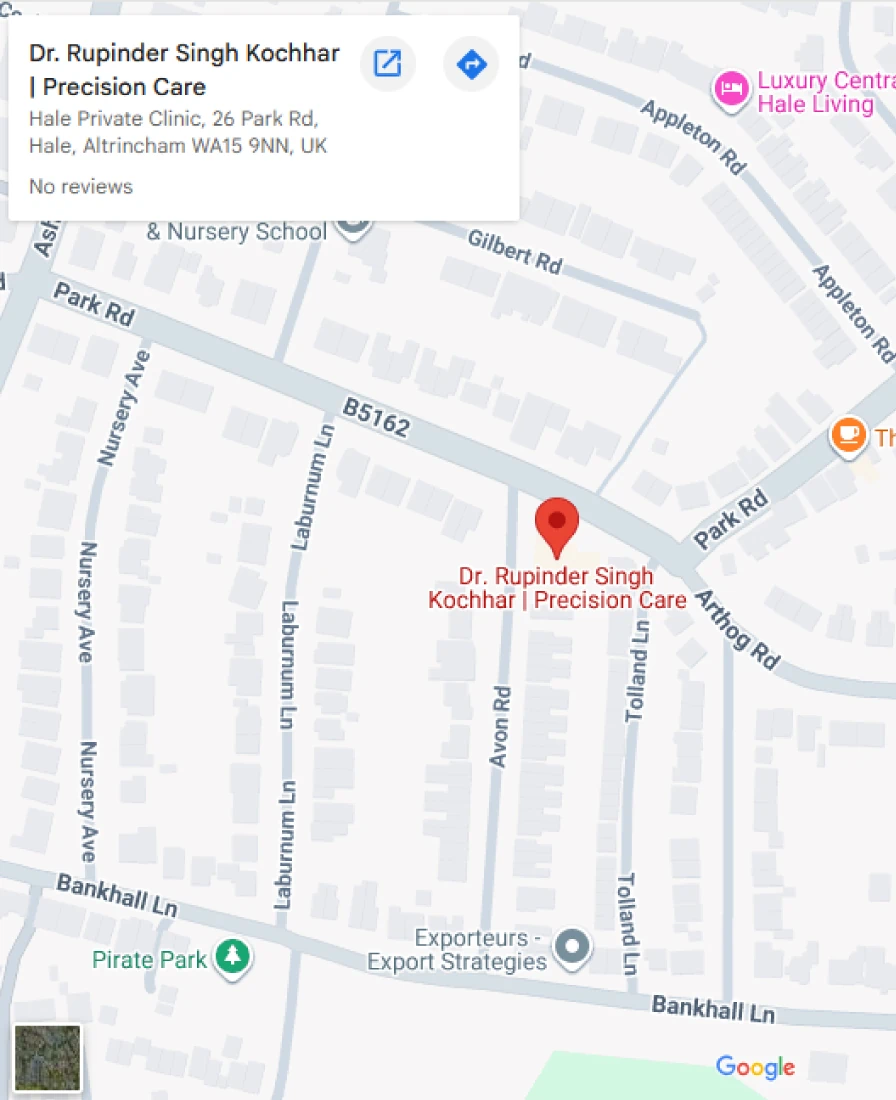
Hale Private Clinic, 26 Park Rd, Hale, Altrincham WA15 9NN, United Kingdom
Phone: +44 1613598889
Timings:
Friday: 1:00 PM - 3:00 PM
Patients may call the general office number to schedule appointments Monday through Friday, from 9:00 AM to 6:00 PM.

Specialised support for hormonal balance and diabetes to help you thrive.

© 2026 Precision Care. All rights reserved. | Privacy Policy | Website Design by Remedo