Can TRT Affect Sperm Production?
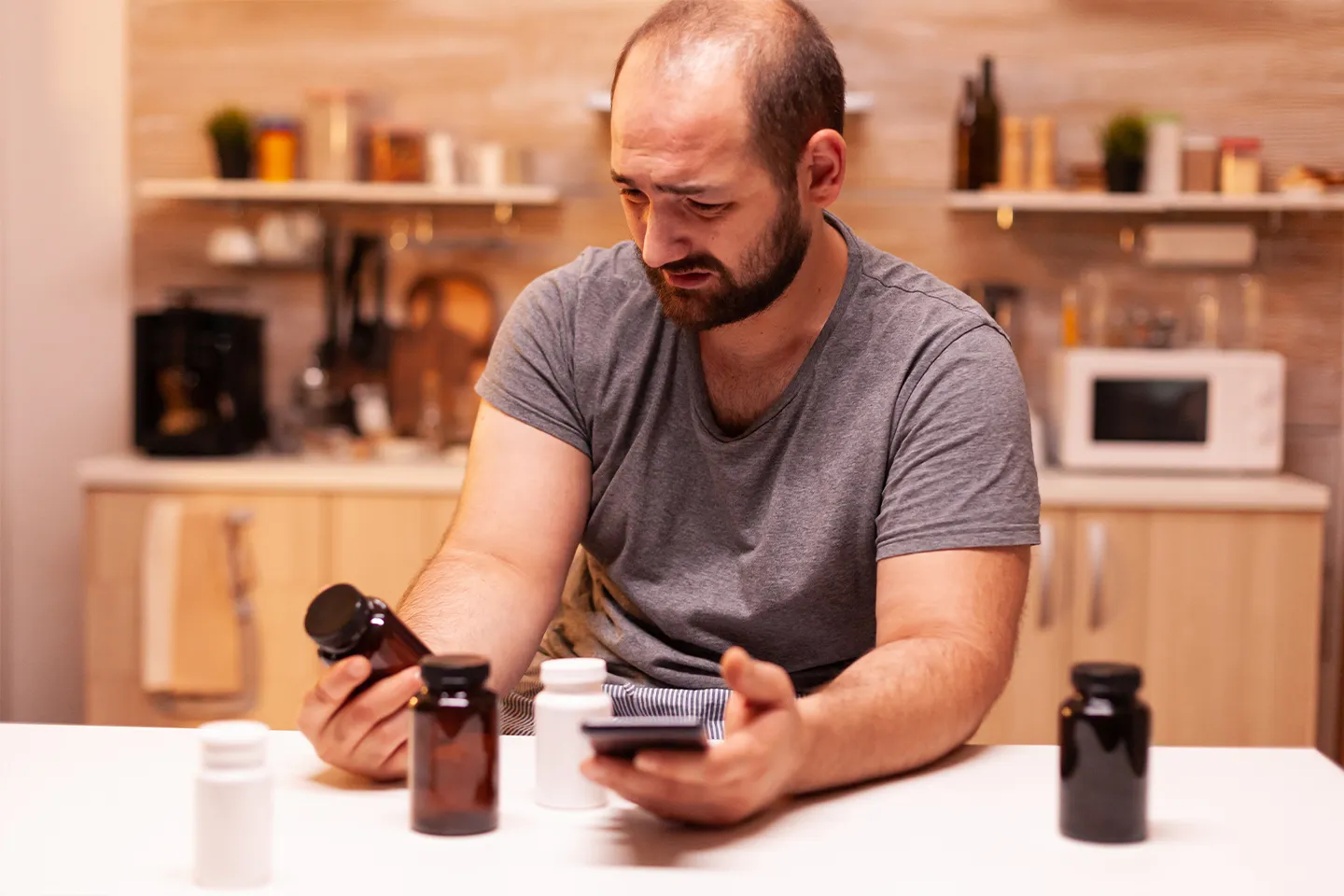
Testosterone replacement therapy can help men with clinically low testosterone manage symptoms such as low energy, reduced libido, changes in mood and loss of muscle mass. But if you are trying to conceive, or might want to later, an important question comes up: does TRT affect fertility?
The two are closely linked. Testosterone taken as a medication can reduce your body's own testosterone production inside the testes, and that in turn can reduce sperm production. Understanding how this works helps you and your doctor choose a treatment that fits your health and your family plans.
Key Takeaways
- TRT is not a fertility treatment. Standard TRT can reduce sperm count and may cause azoospermia, which means no sperm in the semen.
- The effect is usually reversible, but recovery can take months and occasionally longer.
- TRT is not a reliable form of contraception, so a partner can still become pregnant.
- If you hope to have children, a semen analysis and a fertility conversation before treatment are worthwhile.
- Options exist for men with low testosterone who want to protect fertility, but they need specialist assessment.
How Does Testosterone Replacement Therapy Affect Fertility?
It seems logical that more testosterone would mean better fertility. In practice it works the other way round, because of how the body controls sperm production.
Sperm production depends on a high level of testosterone made inside the testes themselves. That is controlled by the hypothalamic pituitary gonadal (HPG) axis. The hypothalamus and pituitary gland send hormone signals to the testes. The pituitary releases luteinising hormone (LH) and follicle stimulating hormone (FSH). LH tells the testes to make testosterone, and FSH helps sperm develop.
When you take testosterone as a medication, the brain senses the extra testosterone in your blood and turns down its own signals. As a result:
- LH and FSH levels fall
- The testes make less of their own testosterone
- Sperm production slows
- Sperm concentration can become very low in some men
- Some men become azoospermic for as long as they stay on treatment
Your blood testosterone may be normal or high on TRT, but the testosterone level inside the testes, which is what sperm need, can drop sharply. This is why TRT and fertility have to be considered together.
Does TRT Reduce Sperm Production?
Yes. Suppression varies widely between men. Some see a modest drop in sperm count, while others have severe suppression.
The best known evidence comes from studies of testosterone given to healthy men as a possible male contraceptive. In a World Health Organization trial of 271 men given weekly testosterone injections, about 65% had no sperm in their semen after six months. These men did not have low testosterone to begin with, so results in men treated for deficiency can differ. Still, the pattern is clear: external testosterone can switch sperm production down substantially.
Men with low testosterone may also have underlying fertility problems of their own, which is another reason to check sperm health before starting treatment.
Can TRT Cause Infertility?
TRT can reduce fertility while you are taking it, but that is not the same as permanent infertility. The effect depends on factors such as:
- The type and dose of testosterone
- How long you have been on treatment
- Your testosterone and sperm levels before starting
- Your age
- Your general reproductive health
- Other medical conditions
- Past use of testosterone or anabolic steroids
Some men keep producing some sperm on TRT, while others see a large fall. You cannot tell which group you will fall into without testing, so anyone planning to have children should discuss it with a doctor before treatment starts.
Is Testosterone Therapy a Form of Contraception?
No. Even when sperm counts fall, they do not always fall to zero, and the effect is not predictable from one man to the next. A partner can still become pregnant while you are on TRT, so if you want to avoid pregnancy, use a reliable method of contraception.
TRT and Sperm Count: What Happens?
Sperm are made continuously in the testes through a series of stages that depend on the right hormone signals. When LH and FSH are suppressed by external testosterone, that process can slow down or stop.
A semen analysis shows how well your sperm production is working. It usually measures:
- Sperm concentration
- Total sperm count
- Motility, which is how well the sperm move
- Morphology, which is their shape
- Semen volume
If fertility matters to you, a semen analysis before treatment gives you a baseline, and repeat tests during treatment can show what is changing.
How Long Does TRT Take to Affect Sperm?
The effect does not appear overnight. Sperm take roughly two to three months to develop, so changes in sperm production take time to show up. Studies of testosterone given for contraception found that sperm were absent after around four months on average.
The same delay applies in reverse. Sperm production does not return the day you stop treatment, and recovery can take several months. Please do not stop prescribed testosterone suddenly without speaking to the doctor managing your treatment. Stopping abruptly can bring symptoms of low testosterone back quickly, and the right plan depends on whether you want to conceive soon.
Can Sperm Production Recover After TRT?
In many men, yes. Pooled data from male contraceptive trials, which looked at healthy men who stopped testosterone, suggest that around two thirds had recovered a sperm concentration of 20 million per millilitre within six months, about nine in ten within 12 months, and nearly all by 24 months. In the WHO trial, recovery to that level took a median of just under four months, though fewer than half of the men were back to their own starting sperm density at that point.
These numbers come from healthy men on short courses, so recovery in men who have used TRT for several years may take longer. Longer use, older age and lower baseline sperm production can all slow the return. Some men may need medical treatment to help sperm production restart.
If you are trying to conceive, your doctor may suggest a fertility focused approach rather than simply continuing standard TRT.
What If You Need TRT but Want Children?
This is a common situation, and it does not mean you have to choose between your health and your family plans. The first step is to raise both concerns at your assessment. Your doctor can then look at your symptoms, medical history, hormone results and fertility goals together.
Depending on your case, treatment options other than standard testosterone may be considered. Some medicines work by encouraging the body to make more of its own testosterone, or by supporting sperm production, instead of switching it off. Examples include clomifene and hCG, and these are often used under specialist supervision and sometimes outside their licensed use. They are not right for everyone, and the choice depends on why your testosterone is low in the first place.
That is why a proper diagnosis matters. Low testosterone can come from a problem in the testes themselves or from a problem with the pituitary signals that drive them, and the treatment approach differs. Our consultant can explain which applies to you, and you can read more about testosterone deficiency and how it is diagnosed.
Should You Have a Fertility Assessment Before TRT?
If having children is important now or later, yes, it is worth doing before you start. A fertility assessment may include:
- Hormone testing: blood tests for testosterone and the hormones that control it, including LH, FSH and prolactin. A pituitary function test may be useful when the cause of low testosterone is unclear.
- Semen analysis: a baseline of sperm concentration, movement and shape.
- Medical and lifestyle review: past testosterone or anabolic steroid use, medicines, alcohol, smoking, weight, sleep and other health conditions that can influence fertility.
If you might want children in future, you can also discuss freezing sperm before treatment begins. Sperm banking usually involves providing more than one sample and gives you an option later even if your sperm production takes time to recover.
Testosterone Therapy and Fertility: What Men Should Know
The relationship is often misunderstood. TRT can restore testosterone levels and ease the symptoms of deficiency, but it is not a fertility treatment. In fact, standard testosterone therapy can reduce sperm production because it silences the signals the testes rely on.
That does not mean every man on TRT will become infertile, but the possibility should be discussed before you start, especially if a pregnancy is part of your plans.
The same caution applies to testosterone boosters and anabolic steroids. Taking something that raises testosterone is not the same as being fertility friendly, and these products can suppress sperm production just as prescribed testosterone can.
Can TRT Affect Male Fertility Permanently?
There is no simple answer. For many men sperm production comes back after treatment stops, but how fast and how fully varies. Some men need medical help to restart sperm production, and others turn out to have an underlying fertility problem that only becomes clear when they are assessed.
If fertility is important to you, it is much better to deal with it before TRT than to wait until you run into difficulty conceiving.
When Should You Speak to a Specialist?
Consider booking an appointment if:
- You have symptoms of low testosterone and are thinking about TRT
- You are on testosterone and want to conceive
- You and your partner are having difficulty getting pregnant
- You have noticed changes in your semen or reproductive health
- You have used anabolic steroids in the past
- You are worried about your sperm count
- You want to protect your fertility before starting treatment
Talking early lets your doctor plan around both your hormone health and your family goals.
Talk to Our Endocrinologist About TRT and Fertility
If you are thinking about testosterone replacement therapy, fertility should be part of the conversation from the start, particularly if you hope to have children. The right approach depends on your hormone levels, your reproductive health and your plans.
At Precision Care in Bolton, Dr Rupinder Kochhar, Consultant in Endocrinology, can assess your symptoms, hormone results and fertility goals, and talk you through your options for testosterone replacement therapy and alternatives. You can also arrange a video consultation, or contact us to ask a question before booking. Our wider men's health and male hormone disorder care covers the other conditions that can affect testosterone, and ongoing tiredness and fatigue is another reason many men first get checked.
Frequently Asked Questions
Q: Does testosterone replacement therapy reduce sperm count?
A: Yes. TRT suppresses the hormones that stimulate sperm production, which can lower sperm count or, in some men, lead to no sperm in the semen while treatment continues.
Q: Can you take TRT and still have children?
A: It may be possible, but standard TRT can significantly reduce sperm production. If you plan to have children, discuss your goals with a doctor before starting or continuing treatment so they can look at options that protect fertility.
Q: Does testosterone therapy cause permanent infertility?
A: Not necessarily. Sperm production often recovers after treatment stops, but recovery varies and can take several months or longer. If it does not return, further assessment and treatment may help.
Q: How does TRT affect sperm production?
A: Testosterone from outside the body reduces LH and FSH, the hormones that stimulate the testes. With less stimulation, the testes make less testosterone of their own and fewer sperm.
Q: Should I have a sperm test before starting TRT?
A: If you may want children, a semen analysis is a useful baseline. Your doctor can advise whether it is right for you and whether banking sperm is worth considering.
Q: Can sperm production return after stopping TRT?
A: In many men, yes. Recovery depends on factors such as age, how long you were on treatment and your fertility before starting. It can take several months.
Q: Is TRT a treatment for male infertility?
A: No. TRT treats testosterone deficiency in suitable patients. Because it can suppress sperm production, it is generally not used to treat infertility.
Q: Can I get my partner pregnant while on TRT?
A: It is possible. TRT is not a reliable contraceptive, so use contraception if you do not want a pregnancy.
Q: What should I do if I am on TRT and want to conceive?
A: Speak to the doctor managing your treatment before changing anything. They can check your hormones and sperm health and suggest ways to support fertility.

Find Us Here
Your Care Journey Begins Here


The Beaumont Hospital, Old Hall Clough, Chorley New Rd, Lostock, Bolton BL6 4LA, United Kingdom
Phone No: +44 1204404404
Timings:
Saturday: 8:30 AM - 12:30 PM

Specialised support for hormonal balance and diabetes to help you thrive.

© 2026 Precision Care. All rights reserved. | Privacy Policy | Website Design by Remedo